


Telehealthcare has become one of the most significant innovations in modern healthcare, completely changing how patients access care. With smartphones, tablets, and computers, patients can now connect with doctors, specialists, and other healthcare professionals from virtually anywhere. This transformation goes beyond mere convenience. It allows patients to receive timely care, avoid long waits in clinics, and reduce exposure to illnesses that can occur in crowded waiting rooms. Telehealthcare is particularly useful for patients managing chronic conditions, mental health needs, or preventive care routines. Studies show that telehealth can improve patient satisfaction, reduce hospital readmissions, and increase treatment adherence, making it a critical component of modern healthcare delivery. The integration of telehealth technology has also encouraged healthcare providers to rethink workflows, improve digital recordkeeping, and adopt a patient-centered approach that prioritizes accessibility and convenience.
The Role of Pharmacy Fulfillment in Telehealthcare
A key element that supports the success of telehealthcare is pharmacy fulfillment. This service ensures that patients who receive prescriptions through virtual consultations get the right medications quickly and safely. Pharmacy fulfillment encompasses receiving prescriptions electronically, verifying the order, preparing and packaging medications, and delivering them directly to the patient’s home or a nearby pickup location. By streamlining this process, patients avoid delays and reduce the risk of medication errors. Efficient pharmacy fulfillment also supports adherence to treatment plans, which is especially important for managing chronic illnesses such as diabetes, hypertension, and heart disease. For telehealthcare providers, having reliable pharmacy fulfillment partners allows them to offer a full continuum of care, from diagnosis to medication delivery, creating a seamless experience for patients. In addition, fulfillment pharmacies often provide education on proper usage, dosage reminders, and support for refills, which reinforces patient engagement and overall health outcomes.
- The Role of Pharmacy Fulfillment in Telehealthcare
- Expanding Access to Care
- Enhancing Convenience and Flexibility
- Supporting Chronic Disease Management
- Improving Patient Engagement
- Cost Savings and Efficiency
- Supporting Rural and Underserved Communities
- Ensuring Privacy and Security
- The Future of Telehealthcare
- Conclusion
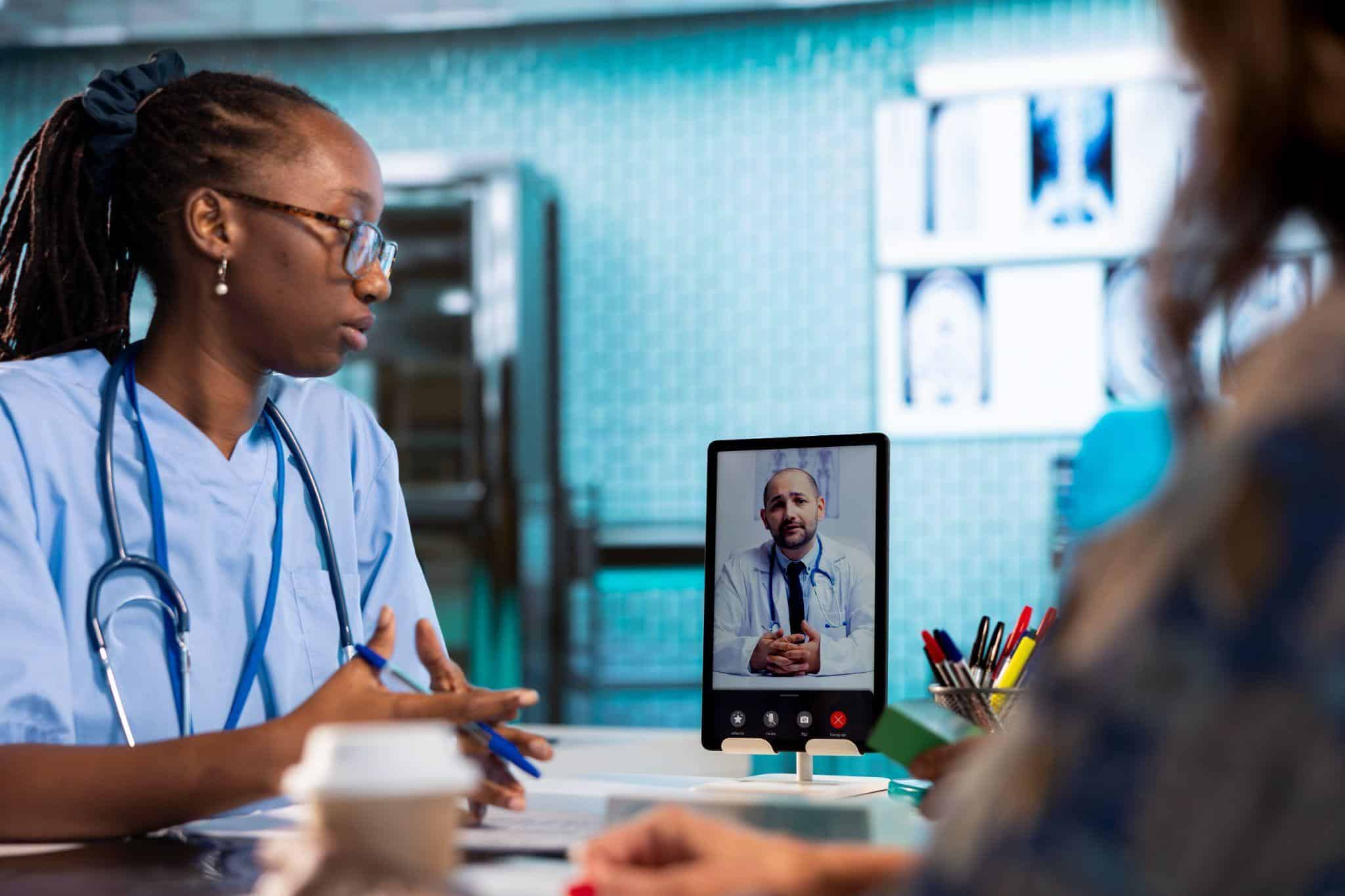
Expanding Access to Care
One of the most powerful benefits of telehealthcare is expanded access to medical services. For patients in rural areas, traveling to see a specialist can take hours, sometimes even days. Telehealth eliminates that barrier by allowing patients to connect with experts from anywhere. Urban patients benefit as well, with fewer logistical hurdles like traffic, parking, or work schedules interfering with their appointments. Telehealth platforms often offer scheduling flexibility, video consultations, secure messaging, and follow-up reminders, making it easy for patients to receive care when they need it. This expanded access is particularly valuable for individuals with mobility challenges, chronic illnesses, or mental health concerns, who may otherwise delay care. Telehealthcare also enables quicker interventions for acute issues, such as minor infections, skin conditions, or medication adjustments, which can prevent complications and reduce emergency room visits.
Enhancing Convenience and Flexibility
Telehealthcare provides convenience in ways traditional healthcare cannot match. Patients can schedule appointments that fit around their personal or work commitments, eliminating the need to take time off or rearrange daily routines. Providers also benefit from more efficient scheduling, allowing them to see more patients without the constraints of physical office space. This flexibility encourages adherence to recommended follow-up visits and preventive care screenings. Telehealthcare is particularly convenient for families, caregivers, and patients who need regular check-ins but have difficulty traveling to a clinic. Coupled with pharmacy fulfillment, patients can receive medications at home, avoiding the need to visit a physical pharmacy. This convenience reduces stress, enhances adherence to prescriptions, and supports overall health management, especially for patients managing multiple medications or complex treatment plans.
Supporting Chronic Disease Management
For patients with chronic conditions, continuous monitoring and timely interventions are crucial. Telehealthcare allows healthcare providers to check in more frequently, review lab results, and adjust treatments remotely. Patients can also receive guidance on diet, exercise, and lifestyle changes, all tailored to their specific needs. With pharmacy fulfillment, medications are delivered consistently, ensuring treatment continuity and reducing the risk of complications. Remote monitoring tools, such as blood glucose meters, blood pressure monitors, and heart rate trackers, can be integrated into telehealthcare programs. Providers can access real-time data, identify potential issues early, and adjust care plans without requiring the patient to travel to the clinic. This proactive approach improves outcomes, reduces hospitalizations, and empowers patients to take a more active role in managing their health.
Improving Patient Engagement
Telehealthcare encourages patients to become more involved in their healthcare decisions. Virtual visits often include educational discussions about conditions, treatment options, and preventive measures. Patients are more likely to ask questions, report symptoms promptly, and adhere to treatment when they feel actively engaged. Pharmacy fulfillment supports this engagement by simplifying the process of obtaining medications and providing clear guidance on their proper use. When patients receive timely medications and ongoing support, they are more likely to complete their treatment regimen and make informed decisions about their health. Telehealthcare also enables follow-up communication through secure messaging, video calls, and app notifications, reinforcing engagement and creating a collaborative care environment.
Cost Savings and Efficiency
Telehealthcare offers measurable cost savings for patients and healthcare systems. Patients save on transportation, childcare, parking, and time away from work. Healthcare providers reduce overhead costs associated with maintaining physical office space and administrative support for in-person visits. Efficient pharmacy fulfillment reduces administrative burdens, ensures timely delivery of medications, and minimizes the risk of costly errors. Collectively, these efficiencies make healthcare more sustainable, improve patient satisfaction, and allow providers to allocate resources more effectively. Studies indicate that telehealth can reduce unnecessary emergency department visits and hospital readmissions, providing both financial and clinical benefits for patients and the healthcare system.
Supporting Rural and Underserved Communities
Telehealthcare is especially transformative for rural and underserved populations. Many of these communities have limited access to specialists, long travel distances, and fewer local pharmacy options. Telehealthcare allows patients to consult with experts remotely while pharmacy fulfillment ensures medications reach these communities reliably and safely. This combination reduces gaps in care, improves adherence to treatment plans, and helps prevent disease progression. Rural hospitals and clinics can leverage telehealth to extend the reach of their services and collaborate with urban specialists. This approach reduces health disparities and ensures that quality healthcare is more equitably distributed across diverse populations.
Ensuring Privacy and Security
Maintaining patient privacy is critical in telehealthcare. Video platforms, electronic health records, and messaging systems must be secure and comply with HIPAA regulations. Similarly, pharmacy fulfillment services must handle medication orders and patient information responsibly to prevent breaches or errors. Ensuring confidentiality builds trust and encourages patients to use telehealth services regularly. Providers often educate patients on privacy measures and encourage safe communication practices. As telehealth continues to grow, robust cybersecurity and secure fulfillment processes remain essential to maintaining patient confidence and ensuring a safe, effective healthcare experience.
The Future of Telehealthcare
Telehealthcare is poised for continued growth as technology evolves. Artificial intelligence, wearable devices, predictive analytics, and remote monitoring will enhance the quality and precision of virtual care. Pharmacy fulfillment will continue to be a crucial element, ensuring that medications are delivered accurately and on time. The future will likely see greater integration between telehealth platforms, pharmacies, and patient data systems, creating a seamless, comprehensive care experience. As patient demand for convenience and accessibility increases, telehealthcare and pharmacy fulfillment will remain central to modern healthcare, helping providers deliver care efficiently while improving outcomes and patient satisfaction.
Conclusion
Telehealthcare has fundamentally transformed healthcare access, convenience, and patient engagement. A critical component of this transformation is pharmacy fulfillment, which ensures that medications are delivered safely and promptly to support treatment plans. By expanding access to care, supporting chronic disease management, improving patient engagement, reducing costs, and reaching underserved communities, telehealthcare is creating a more efficient and patient-centered model of care. As technology continues to advance, telehealthcare combined with effective pharmacy fulfillment will play an increasingly important role in providing accessible, high-quality, and equitable healthcare for all patients.