


Getting a tattoo has always started with an idea.
What has changed is how that idea is developed before it ever reaches the skin.
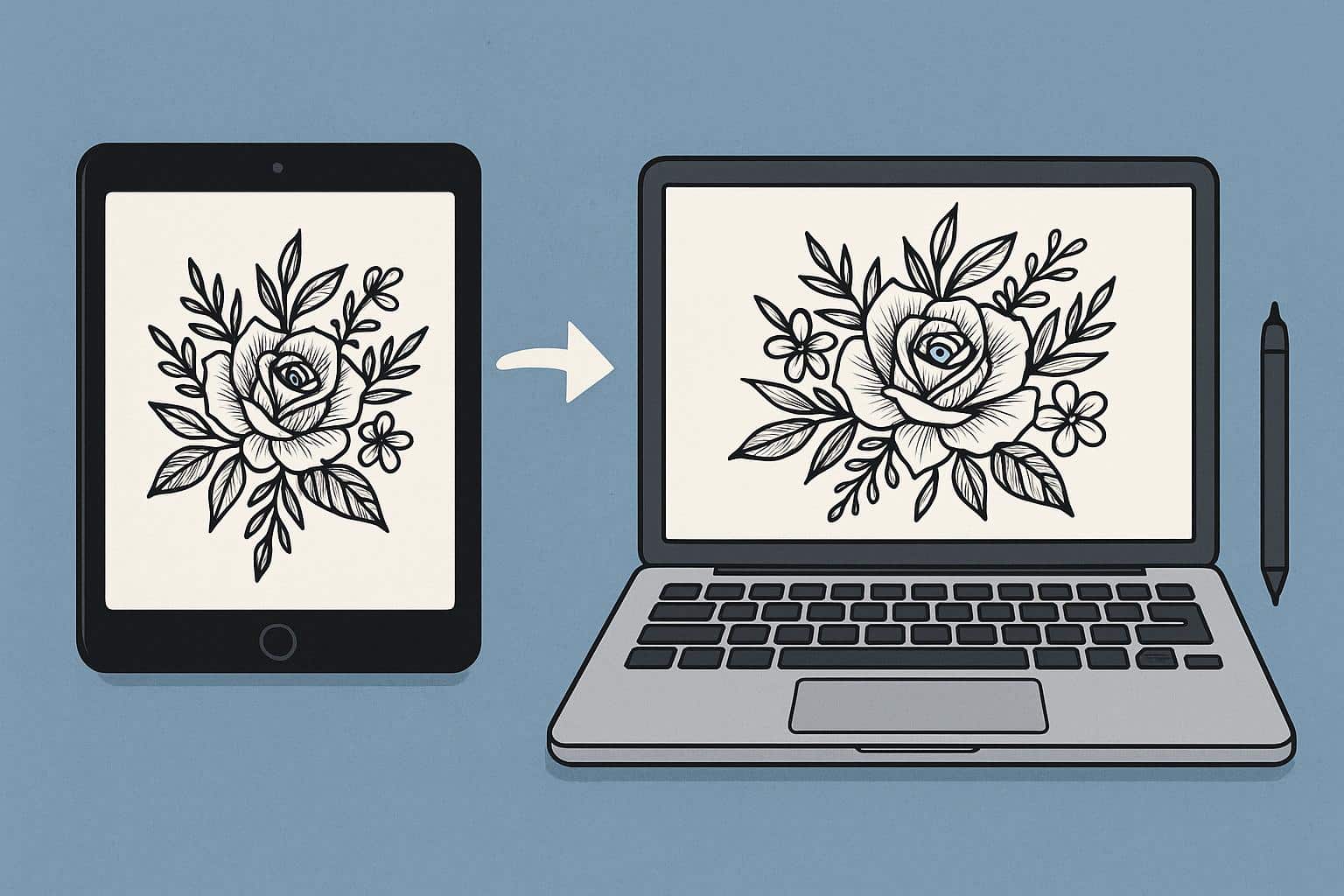
From digital illustration and AI-assisted inspiration to virtual previews and modern stencil technology, tattoo planning is becoming increasingly visual, flexible and collaborative.
From Sketchbook to Screen
Many tattoo artists now use tablets and digital drawing software alongside traditional sketching.
This makes it easier to resize artwork, test different layouts and make changes before a final design is agreed.
For clients, that can mean a clearer idea of what the finished tattoo may look like before the appointment begins.
Digital design also makes it easier to adapt artwork to different areas of the body, where shape, movement and proportion can affect how a tattoo works visually.
AI Is Becoming Part of the Inspiration Process
AI image tools have also started influencing the way people explore tattoo ideas.
Someone may use AI to experiment with themes, styles or compositions before speaking to an artist.
However, an AI-generated image is not automatically a tattoo-ready design.
An experienced tattoo artist still needs to consider details such as:
- placement
- line thickness
- scale
- skin tone
- body shape
- how the tattoo may age over time
Technology can provide inspiration, but the final design still requires artistic judgement.
Virtual Placement Can Help With Decisions
Another growing area is virtual tattoo preview technology.
Some tools allow people to see an approximate version of a tattoo placed on their body before committing to the final position.
This can be useful when deciding between different areas, sizes or orientations.
It does not replace an in-person consultation, but it can make the planning process easier.
Modern Stencils Improve Accuracy
Once the design is ready, digital stencil preparation allows artwork to be transferred more precisely before tattooing begins.
This gives both the artist and the client an opportunity to check the placement and scale before the first line is tattooed.
Technology Helps, but the Artist Still Matters
Technology has made tattoo planning faster and more flexible, but it has not removed the need for skill.
A good tattoo still depends on an experienced artist who understands design, anatomy, skin and technique.
The future of tattoo planning is therefore not about replacing artists with technology.
It is about giving artists and clients better tools to turn an idea into something that works properly on the body.