


You don’t need to sit on a couch and say, “Tell me about your childhood,” to see psychology in action. It pops up in your routines, your relationships, and even the reason you bought snacks you didn’t need. When you understand a little more about how people think and behave, everyday life starts making a lot more sense. That’s what makes psychology so interesting. It’s not just a school subject. It’s a practical way to understand yourself and the people around you.
Why Psychology Matters
Psychology matters because people are wonderfully predictable and strangely confusing at the same time. One minute you’re calm, and the next you’re annoyed because someone chewed too loudly. Learning how thoughts, emotions, and behavior connect can help you make sense of moments like that.
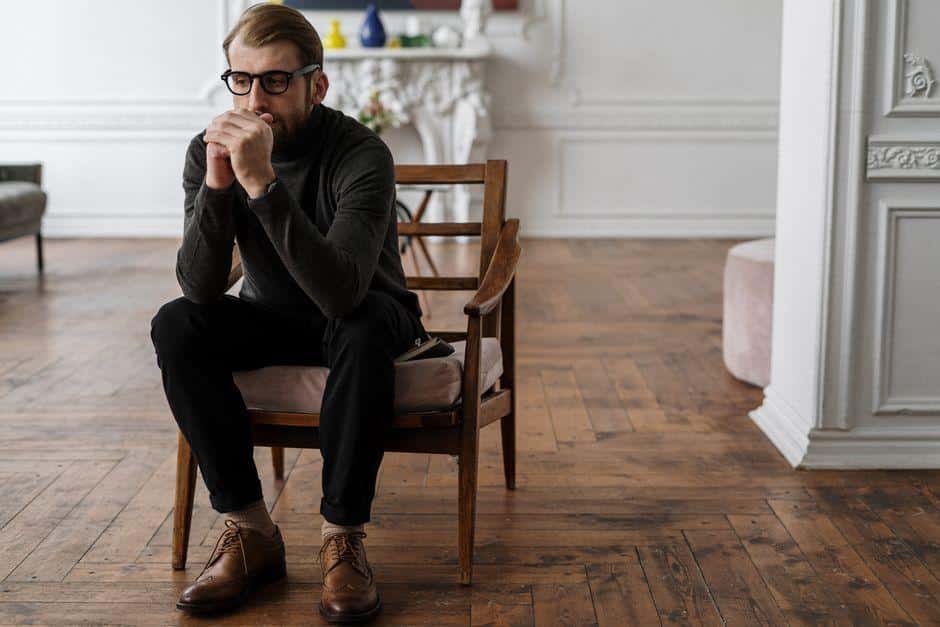
If you’ve ever thought about studying people in a deeper way, a bachelor degree in Psychology can help you build that understanding while opening the door to different career paths. It’s useful if you want to work with people directly, but it also helps in everyday life.
You start noticing why habits stick, why stress changes your mood, and why some conversations go smoothly while others crash like a shopping cart with one bad wheel. That kind of insight isn’t just interesting. It can make you more thoughtful, patient, and aware.
Reading Your Own Habits
Most of your day runs on habit. You wake up, check your phone, grab coffee, and maybe promise yourself you’ll go to bed earlier tonight. Then somehow it’s midnight, and you’re watching videos about raccoons stealing pet food. Brains are funny like that.
Psychology helps you spot patterns instead of just reacting to them. You may notice that you snack more when you’re bored, spend more when you’re stressed, or lose focus when you haven’t slept enough. Once you see the pattern, you’re not stuck with it.
This doesn’t mean you need to analyze every tiny choice like a detective with a notebook. It just means paying attention. For example, if you always feel grumpy in the afternoon, the problem might not be your job or your family. It could be hunger, poor sleep, or too much screen time. Small observations can lead to smarter changes.
Getting Along Better
A lot of daily stress comes from dealing with other people. That’s true at home, at work, at school, and even in the grocery store line when someone acts like personal space is a myth. Psychology can help you understand why people respond the way they do.
One simple example is listening. Most people think they’re good listeners, but many are just waiting for their turn to talk. When you learn to notice tone, body language, and emotional cues, conversations become clearer. You may catch someone when they are frustrated, nervous, or not saying what they really mean.
Empathy also gets easier. That doesn’t mean agreeing with everyone or becoming a human sponge for every emotion in the room. It means understanding that behavior usually has a reason behind it. When you remember that, you’re less likely to snap, assume the worst, or turn a small issue into a full-blown drama sequel.
Making Smarter Choices
People like to think they make decisions with logic, but emotions often grab the steering wheel first. You might buy something because it feels exciting, say yes because you hate disappointing people, or avoid a task because it seems annoying. Psychology shines a light on those moments.
A little awareness can save you from choices you regret later. If you know stress makes you impulsive, you may wait a day before making a big purchase. If you know you’re more likely to overreact when tired, you may hold off on sending that spicy text message.
Bias plays a role too. You may trust first impressions too much or assume a recent bad experience means something will always go wrong. These mental shortcuts are common, but they’re not always helpful. When you slow down and ask, “What’s really influencing me here?” you give yourself a better shot at making a solid decision.
Career Paths To Consider
Psychology is often linked with therapy, but that’s only one path. The skills tied to psychology can fit into many careers because almost every job involves people, behavior, and communication. That makes it a flexible area of study.
You might use psychology in education by helping students learn and grow. In business, it can support hiring, training, teamwork, and customer understanding. In healthcare and community services, it can help you work with people during stressful or important life moments.
Even jobs in marketing, human resources, case management, and nonprofit work benefit from understanding motivation and behavior. That’s one reason psychology appeals to so many students. It doesn’t box you into one lane. It gives you tools you can carry into many settings.
If you enjoy asking why people do what they do, and you want a field that feels useful in real life, psychology can be a strong fit.
Small Lessons That Help
The best thing about psychology is that you can use bits of it right away. You don’t need to become an expert to benefit from paying closer attention to how thoughts, feelings, and behavior connect.
A few small lessons go a long way:
- Notice patterns before judging yourself
- Pause before reacting when emotions run high
- Listen for meaning, not just words
- Question snap decisions and first impressions
- Remember that other people have reasons too
These ideas sound simple because they are simple. The tricky part is practicing them when life gets messy. Still, even small progress helps. You become more patient with yourself and more thoughtful with others.
Understanding psychology won’t make every day perfect. People will still be weird, and you will too. But it can make life feel a little clearer, and that’s a pretty smart place to start.