


Your trees looked full and green just a season ago, and now the leaves are curling, spots are showing up, and branches seem weaker than before. You water them and watch them closely, but nothing seems to change, and that uncertainty leaves you frustrated. Without knowing what your trees actually need, small problems can quietly turn into bigger ones before you even notice them.
The good news is that trees do not need guesswork, they need consistent care that is delivered at exactly the right time of year. When you understand what keeps a tree strong, from feeding the soil to catching pests early, your whole landscape starts to look and feel healthier and more balanced.
- 1. Seasonal Fertilization Helps Trees Recover and Grow Stronger
- 2. Year-Round Pest and Disease Treatments Stop Damage Before It Spreads
- 3. Proper Pruning Techniques Prevent Infection and Encourage Healthy Growth
- 4. Dormant Season Oil Treatments Protect Trees Before Spring Arrives
- 5. Professional Expertise Prevents Costly Landscape Mistakes
- Conclusion
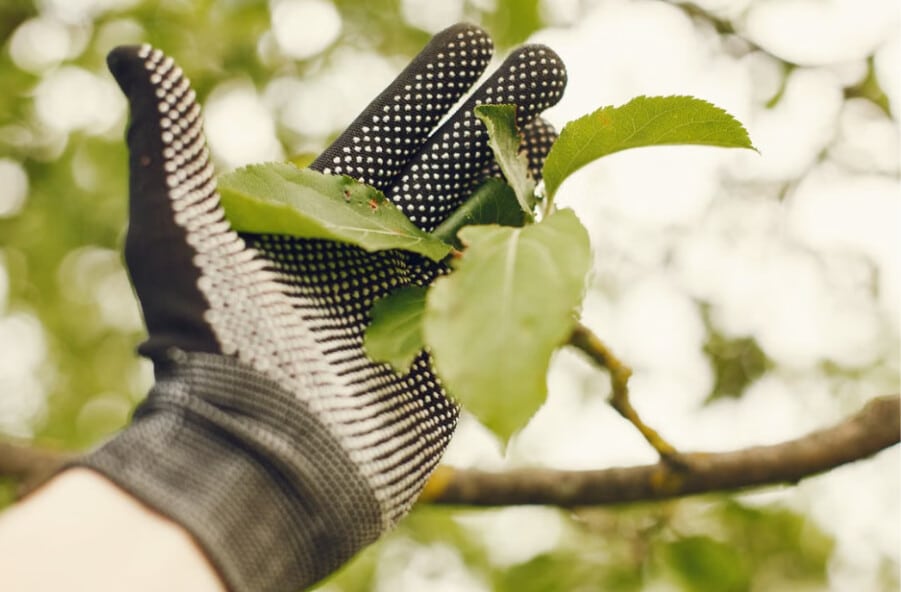
This article walks you through how expert care keeps your trees and shrubs thriving all year long, season after season.
1. Seasonal Fertilization Helps Trees Recover and Grow Stronger
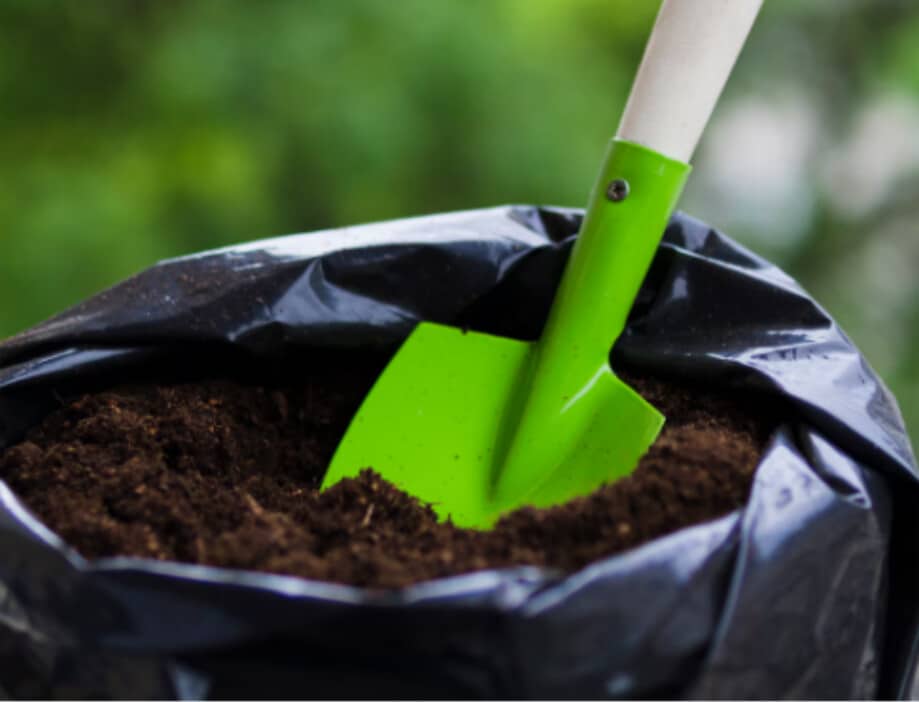
Trees lose strength during winter and need real help recovering once spring arrives again. Professional tree care services focus on feeding trees at the exact time they need it most. This kind of timing makes a real difference in how quickly your trees bounce back and grow strong.
Fertiliser is not something to be guessed at – all trees require different nutrients depending on their species and soil. Using the incorrect mix can cause stress to a tree rather than allowing it to heal properly. A correct feeding plan starts with soil testing and then balancing the soil to the individual tree.
As soon as balanced nutrients are provided, the tree will show a return of richer color within a few weeks. New growth is also noticeably stronger, allowing the tree to deal with heat and stress later in the year. This continuous nourishment establishes a good foundation for maintaining your landscape in a full, healthy condition well beyond the spring season.
2. Year-Round Pest and Disease Treatments Stop Damage Before It Spreads
Pests and diseases do not wait for a convenient time to attack your trees and shrubs. They show up in various seasons, attacking young and maturing leaves as well as new growth. The only way to prevent minor issues from escalating into major damage is to catch them early.
Spring brings insects like aphids and webworms that damage young leaves as growth begins. As the season shifts, caterpillars and spider mites become active and target maturing foliage closely. Summer heat brings its own set of pests, which is why treatments continue through the hottest months.
Regular treatment prevents pests from spreading between branches and to other plants. It also reduces the risk of diseases like powdery mildew taking hold in your yard. Staying ahead of these threats protects your trees before real damage has a chance to happen.
3. Proper Pruning Techniques Prevent Infection and Encourage Healthy Growth
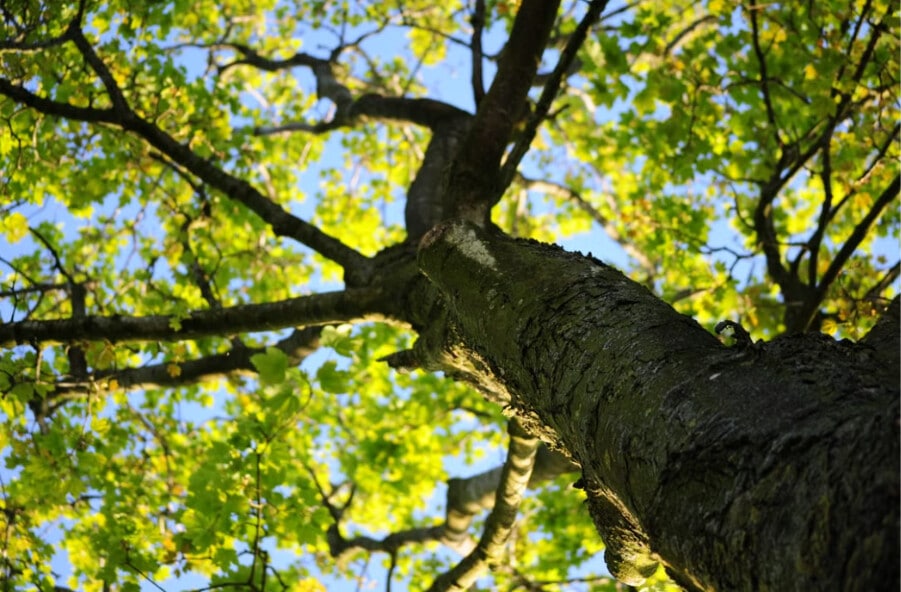
Pruning looks simple, but doing it at the wrong time can actually harm a tree. Cuts made during the wrong season leave trees open to infection and pest infestation. Knowing exactly when to prune each tree is just as important as knowing how to do it.
Every cut affects how a tree heals and how it grows back afterward. A clean, well-placed cut closes quickly and keeps the tree strong and balanced. A poorly placed cut, on the other hand, creates an opening where insects and disease can easily get in.
Understanding tree structure helps guide cuts that support healthy shape and steady growth. This kind of care also encourages better flowering in shrubs and trees that bloom. Over time, proper pruning keeps your landscape looking neat while protecting its long-term health.
4. Dormant Season Oil Treatments Protect Trees Before Spring Arrives
Winter looks like a quiet time for trees, but pests are often waiting beneath the surface. Certain insects and scale settle in during the cold months and stay hidden until spring. Treating trees while they are dormant stops these pests before they get a real chance to spread.
Horticultural oil is applied directly to branches and bark while the tree is not actively growing. This coating smothers pests like scale insects that hide deep in bark crevices. Because the tree is dormant, the treatment does not stress or interfere with new growth.
This early step makes a real difference once spring finally arrives again. Trees treated over winter face far less pest pressure when new leaves start to grow. Starting the season pest-free gives your trees a much stronger chance to thrive.
5. Professional Expertise Prevents Costly Landscape Mistakes
Every tree and shrub has different needs based on its type, age, and location. Guessing at care routines can do more harm than good, especially with soil and fertilizer. Understanding these details takes training that most homeowners simply do not have time to learn.
Soil composition plays a bigger role in tree health than most people realize at first. The wrong fertilizer mix, applied at the wrong time, can weaken a tree instead of strengthening it. Trained experts test and evaluate these factors before deciding on any treatment plan at all.
This kind of attention saves you from costly mistakes down the road ahead. It also protects trees and shrubs you may have spent years growing carefully. Relying on trained knowledge gives your landscape the best chance at staying healthy for good.
Conclusion
Healthy trees and shrubs do not happen by accident, and hoping for the best rarely works out well. They need attention that matches each season, along with care that truly understands what your soil, roots, and plants need to thrive.
When your landscape receives that kind of steady, seasonal support, it grows stronger and stays healthy through every stage of the year ahead. Reach out today and give your trees and shrubs the expert care they deserve to truly thrive.