


Falls are one of the most common causes of injury among older adults. According to health experts, even a seemingly minor fall can lead to fractures, hospitalisation, or long-term mobility issues. As seniors age, changes in balance, muscle strength, and vision increase the risk of accidents inside the home.
For many families, professional care at home services offer an effective way to reduce these risks while allowing older adults to remain in a familiar environment. With the right support, seniors can maintain independence while also benefiting from the added safety that trained caregivers provide.
- Why Falls Are a Major Concern for Seniors
- The Role of Professional Care in Fall Prevention
- Companionship and Supervision Reduce Risk
- Night-Time Support for Greater Safety
- Supporting Families with Respite Care
- Local Home Care Support
- The Benefits of Private Home Care for Seniors
- Creating a Safer Home Environment
- Helping Seniors Stay Safe and Independent
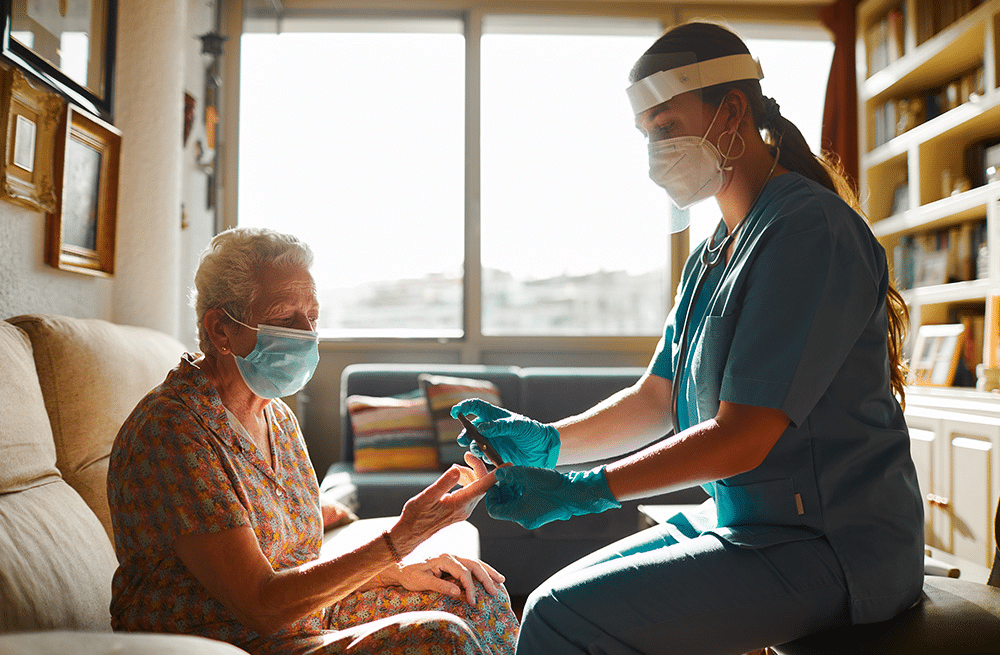
Why Falls Are a Major Concern for Seniors
Ageing naturally affects coordination and physical stability. Factors that commonly contribute to falls include:
- Reduced muscle strength
- Balance difficulties
- Vision problems
- Medication side effects
- Cluttered or poorly lit living spaces
Even everyday activities such as climbing stairs, getting out of bed, or bathing can become hazardous without proper assistance. This is where professional home care services can make a meaningful difference.
The Role of Professional Care in Fall Prevention
Trained caregivers are skilled at identifying and reducing risks in the home. By providing consistent supervision and support, they help seniors navigate daily routines safely.
Professional care at home services often include:
- Assistance with mobility and transfers
- Help with bathing and personal hygiene
- Monitoring medications
- Ensuring living spaces remain clear and safe
- Encouraging gentle exercise to maintain strength and balance
These small but important interventions significantly reduce the likelihood of falls.
Companionship and Supervision Reduce Risk
Isolation can contribute to accidents, especially when seniors attempt tasks without assistance. Companionship care for elderly individuals ensures someone is present to provide support when needed.
With companionship care at home, caregivers can:
- Assist with daily activities
- Provide reminders for medications
- Accompany seniors on walks
- Help with light household tasks
Beyond safety, companionship also supports emotional well-being, which plays a role in maintaining overall health and confidence.
Night-Time Support for Greater Safety
Many falls occur during the night when seniors wake to use the bathroom or move around in dim lighting. Fatigue, disorientation, and poor visibility can increase the risk of injury.
Overnight care for elderly individuals ensures that help is available during these vulnerable hours. Caregivers can assist with nighttime mobility, provide reassurance, and respond quickly if assistance is required.
This level of supervision offers peace of mind for families while allowing seniors to remain comfortably at home.
Supporting Families with Respite Care
Caring for an elderly loved one can be rewarding, but it also requires time, energy, and attention. Family caregivers may become overwhelmed, which can unintentionally increase safety risks.
Respite care for elderly individuals provides temporary support so family members can rest or attend to other responsibilities. During this time, trained professionals step in to maintain the same level of attentive care.
Regular respite support helps ensure that seniors continue to receive safe and consistent assistance.
Local Home Care Support
Access to reliable care can vary depending on location. Families searching for home care services in Chichester or home care in West Sussex often look for providers who understand the unique needs of seniors and the importance of fall prevention within the home environment.
Local care providers frequently offer a range of services tailored to individual needs, including companionship, mobility assistance, and overnight care. Some organisations, such as Choice Care 4U, focus on delivering personalised home support designed to help older adults live safely and independently.
The Benefits of Private Home Care for Seniors
One of the major advantages of professional care is the personalised attention it provides. The benefits of private home care for seniors extend beyond safety and injury prevention.
Key benefits include:
- One-to-one support tailored to individual needs
- A familiar and comfortable living environment
- Reduced risk of hospitalisation from falls
- Improved emotional well-being through companionship
- Greater independence with appropriate supervision
By adapting care plans as needs change, professional caregivers can continue to support seniors through different stages of ageing.
Creating a Safer Home Environment
While professional care plays a vital role, combining it with simple home adjustments can further reduce fall risks. These changes might include:
- Installing grab bars in bathrooms
- Improving lighting in hallways and staircases
- Removing loose rugs and clutter
- Ensuring commonly used items are easy to reach
When paired with attentive care at home services, these improvements create a safer living environment that supports long-term independence.
Helping Seniors Stay Safe and Independent
Preventing falls is an essential part of protecting the health and well-being of older adults. With the right balance of home adjustments, family support, and professional assistance, seniors can continue living safely in the place they know best.
From companionship care for elderly individuals to overnight care for elderly support, professional caregivers help reduce risks while enhancing the quality of life. For many families, choosing trusted home care services is one of the most effective steps toward ensuring both safety and peace of mind.