


I spent a week going up, down, and all around in Sony’s WH-1000XM6 on planes, trains, and rideshares, and I haven’t gone back to my old life.
These are among the few over-ears that really seem constructed for actual travel, not just specs on a box. They fold again, they vanish into a carry-on, and their noise cancellation slices through cabin chaos better than most anything I’ve used recently.
- Why These Headphones Changed How I Travel
- Design That Solves Real Travel Problems on the Go
- Noise Cancellation and Call Clarity in Transit
- Worthy of the Hype in What It Offers Sound-wise
- Battery Life and Small Conveniences for Travelers
- How They Compare With Travel Favorites Today
- The Bottom Line After a Week on the Road
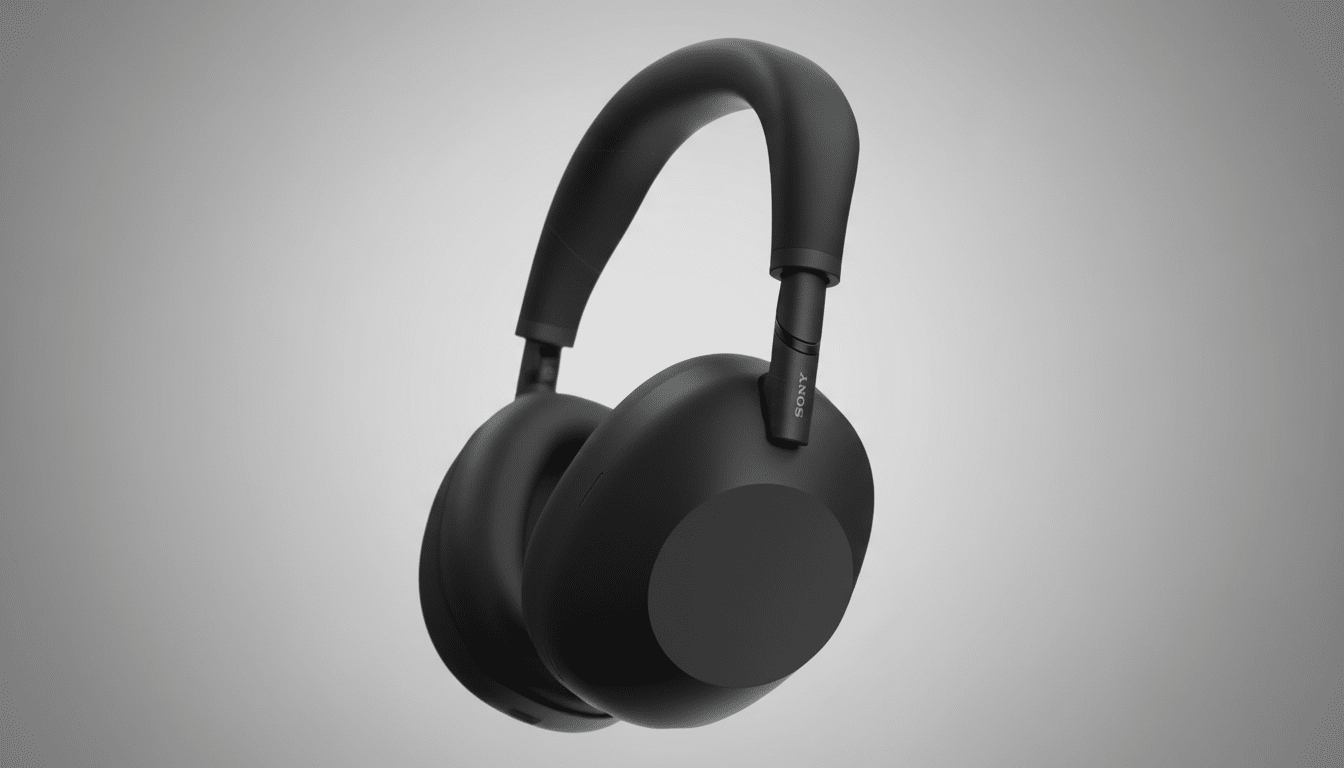
That was a combination of portability, comfort, and calm that I hadn’t realized would make such a difference to me on the road. When you’re dashing between gates and gate changes, each small feat of design can compound for a trip that feels either seamless or depleting.
Why These Headphones Changed How I Travel
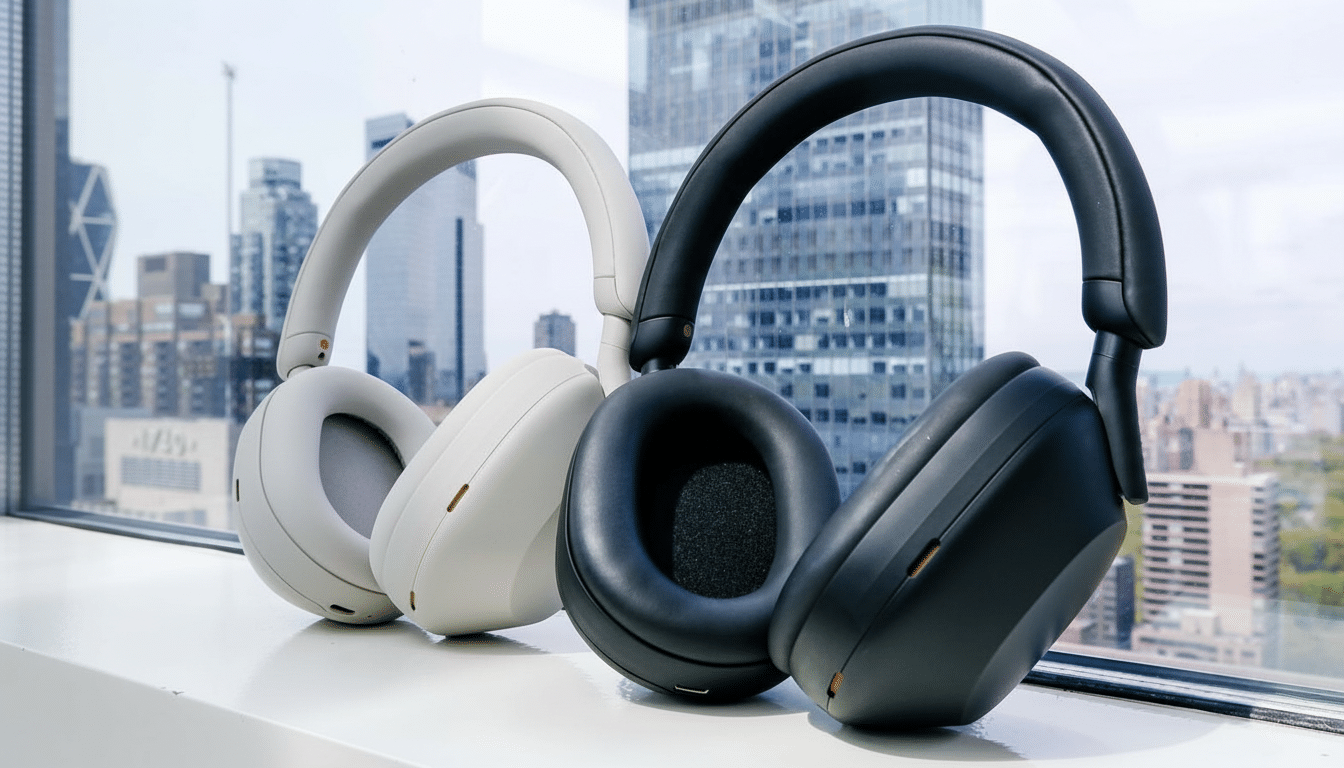
The dual-hinge fold makes its return with WH-1000XM6, which the previous version eliminated. It’s a small improvement, but with a big impact: The headphones now fit into a sleeker, more sensible case that actually fits into an overstuffed backpack. The case has a magnetic latch that’s easy to pop open and guaranteed not to pop back open when you swing it into an overhead bin.
Comfort is improved, too. It’s a few grams heavier than the previous model, but because of its slightly wider headband and more circular earcups, it now provides a nice balance; the earcups snugly rest on your ears and don’t shift during long strolls or lazy runs through terminals. I never got the pressure hotspots that shoved me off some competitors on transcontinental flights.
Design That Solves Real Travel Problems on the Go
Little details make these feel thoughtful. The power button is more rounded and recessed, meaning it’s easy to find with your fingers and difficult to mistake for the ANC toggle. This makes tapping, swiping, and all the usual gestures slightly frustrating to execute via the capacitive controls, but you have a set of tactile buttons for those important moves when you can’t look down.
I also liked the more solid case organization. There’s a well-defined impression to steer the fold, so you learn the “right” fit quickly. It may not be a big deal until you’ve struggled to fit one of those grand cans in an overstuffed bag at the end of boarding.
Noise Cancellation and Call Clarity in Transit
Sony’s new QN3 processor, said to be many times more powerful than the previous chip, pairs with a 12-microphone array to hoist ANC into a noticeably cleaner space. On a crowded flight, the sub-bass engine thrum dimmed to a resonant hush, and higher-pitched nuisances — dings, carts, and cabin chatter — were held at bay more than I’ve noticed on most competitors.
For context, aviation and occupational health organizations such as NIOSH place average cabin levels during climb somewhere between 80 and 85 dBA. Good ANC can quash low-frequency sound by 20–30 dB based on independent lab measurements done on top models, and that’s in line with how much the XM6 quieted my fatigue over a five-hour jump.
Call quality is equally travel-ready. With beamforming mics and more intelligent voice pickup, colleagues told me I was coming in hot from a noisy lounge, with none of that wibbly-warbly compression creeping in. Wind handling by the curb was respectable; gusts didn’t sink my conversation.
Worthy of the Hype in What It Offers Sound-wise
The Sony house sound is there: warm, full, and unfussy with bass that enters the party but doesn’t take over. Vocals seat themselves a bit forward but not sibilant, and the stage opens up rather than smearing when podcasts give way to playlists. If you’re connecting an Android phone capable of a high-bitrate Bluetooth connection (something uncompressed like LDAC, for instance), the XM6 does reward you with a bit more air and detail when things quiet down a little over the journey.
The important bit is consistency. Whether streaming gate side or offline from a laptop in air, the cohesive tuning held together. I didn’t find the gospel about tweaking the EQ worth chasing past minor nudges in the app.
Battery Life and Small Conveniences for Travelers
Rated for up to 30 hours with ANC on (and 40 with it off), the XM6 managed a week of mixed travel without worry. The three-minute quick charge that gets you about three hours of playback got me out of a jam when I realized, standing in line, I’d forgotten to top them off overnight. That’s the line between a smooth flight and a crabby one.
Multipoint pairing was solid from phone to laptop, and switching was fast enough to catch a boarding call then bounce back to a video meeting. The wear-detection pauses worked well, and that matters when you’re trying to manage IDs, water bottles, and seatbelts.
How They Compare With Travel Favorites Today
I’ve taken refuge in the Bose QuietComfort Ultra for comfort and foldability, and they remain great. But the XM6 cancel more of that treble clutter, which can become grating after a while, and they do so in a package that’s just as bag-friendly. (Edit: Others will have additional reasons to love the AirPods Max, though the lack of a folding design for better portability and the shorter rated battery life make them tough to love on extended itineraries. They sound terrific but don’t fold.) I’m a fan of everything about the Sonos Ace except that it does not fold, which is a dealbreaker for my carry-on.
For ultra-light trips, I have typically resorted to premium earbuds. Still, after this week I could not leave the XM6 alone. That lessened fatigue — audio and physical — made the extra area worth it.
The Bottom Line After a Week on the Road
Nothing will reveal flaws more efficiently than travel, and the WH-1000XM6 stood up to it. The better-folding fold, smarter case, stronger ANC, and cool, confident sound seem designed for real-world movement. Toss in long battery life and a straightforward set of controls, and they become an easy recommendation for anyone who flies, trains, or resides between terminals. Kick back with some classic ketchup chips or something, even.
They’re not just another spec bump; they’re a course correction to practicality. For me, that’s all — and I won’t be switching them out anytime soon.