


When people think about air quality, they usually picture smog, wildfire smoke, or pollution outside. Yet the air inside homes, offices, and other buildings often has an even greater influence on daily breathing simply because that’s where most people spend the majority of their time. Dust, allergens, humidity, pet dander, cleaning products, mold, and poor ventilation can all affect indoor air, sometimes without producing obvious warning signs.
For some people, poor indoor air quality leads to occasional discomfort such as congestion or throat irritation. For others, particularly those with allergies, asthma, or other respiratory conditions, it can make breathing noticeably more difficult throughout the year. Understanding the factors that influence indoor air is an important step toward creating a healthier living environment.

Indoor Air Changes With the Seasons
Indoor air quality isn’t constant. It changes as weather, heating, cooling, and daily habits change throughout the year.
During winter, homes are often sealed tightly to conserve heat, reducing fresh airflow and allowing indoor pollutants to accumulate. Spring brings higher pollen levels that can enter through open windows, while summer humidity creates conditions that encourage mold growth if moisture isn’t controlled. Autumn introduces its own challenges as heating systems begin operating again, circulating dust that has collected during warmer months.
Because these conditions evolve throughout the year, maintaining healthy indoor air requires regular attention rather than a one-time solution.
Everyday Activities Can Affect the Air You Breathe
Many common household activities influence indoor air quality more than people realize. Cooking, burning candles, using fireplaces, spraying cleaning products, painting, or even vacuuming without adequate filtration can temporarily increase airborne particles.
Personal lifestyle choices also contribute to the overall indoor environment. People researching specialized products through resources like www.badassglass.com/collections/dab-rigs should remember that any activity involving smoke or vapor may influence indoor air, particularly in enclosed spaces with limited ventilation. Maintaining fresh airflow and following appropriate ventilation practices helps reduce the accumulation of airborne particles regardless of the source.
Small daily habits repeated over time often have a greater influence on indoor air than occasional environmental events.
Congestion Isn’t Always Caused by Illness
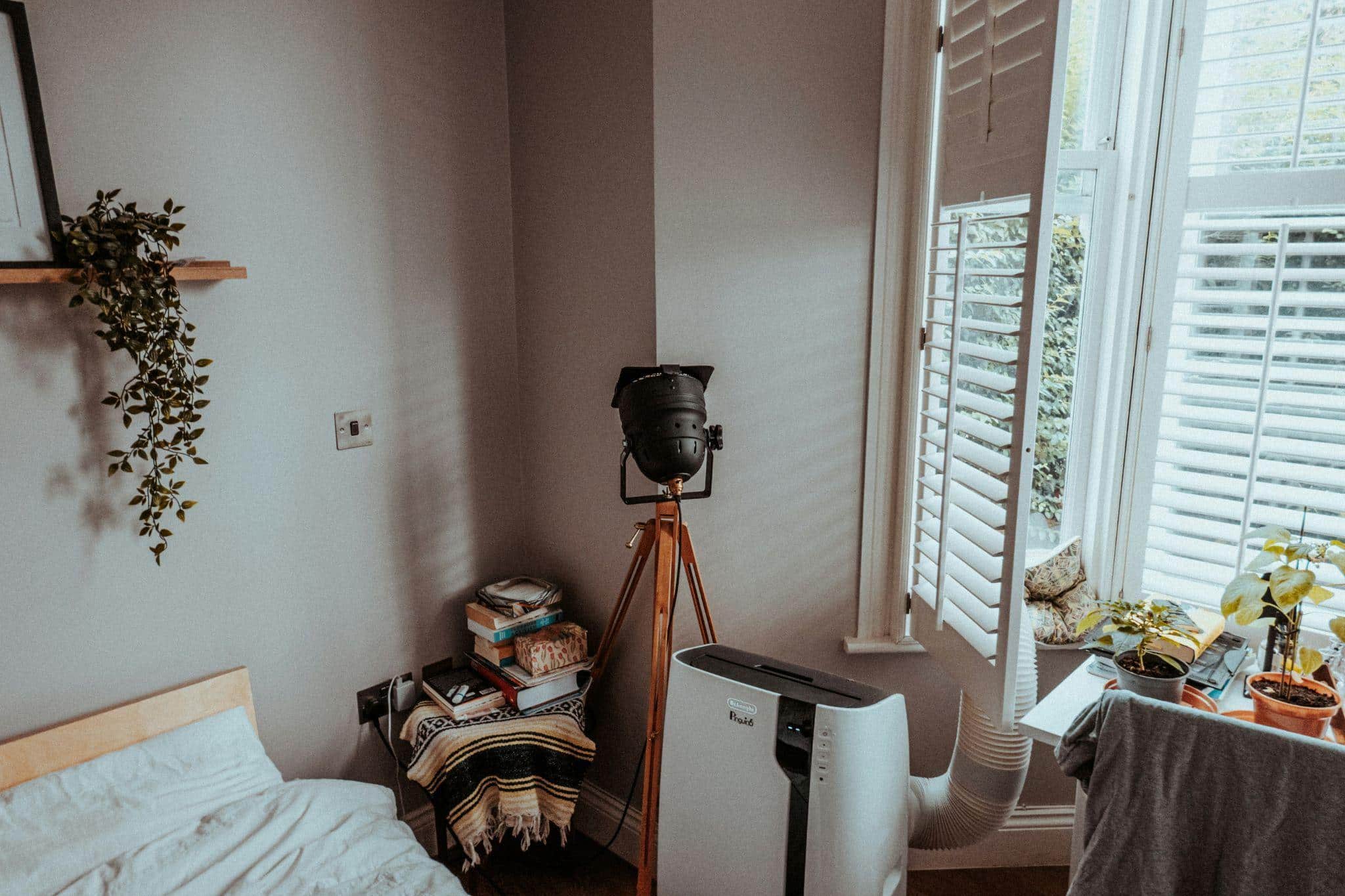
Many people assume a blocked nose or difficulty breathing automatically means they’re getting sick. Sometimes the environment plays a larger role than expected.
Dry indoor air can irritate nasal passages, while excessive humidity encourages mold and dust mites that may worsen allergy symptoms. Poor ventilation can also allow airborne irritants to remain indoors longer than they otherwise would.
Individuals looking for additional information about easing congestion often explore resources discussing Resbiotic alongside broader efforts to improve the indoor environment. Addressing air quality and supporting healthy daily habits often work together better than focusing on only one factor.
Understanding potential environmental triggers can help people respond more effectively when breathing feels uncomfortable.
Ventilation Is One of the Simplest Improvements
Improving indoor air quality doesn’t always require major renovations or expensive equipment. In many situations, better ventilation makes an immediate difference.
Opening windows when outdoor conditions allow, using kitchen and bathroom exhaust fans, replacing HVAC filters regularly, and controlling indoor humidity all contribute to healthier indoor environments. Air purifiers may also help reduce certain airborne particles, particularly in homes where allergies are a recurring concern.
The best approach usually combines several small improvements rather than relying on one single solution.
Healthy Air Supports Everyday Well-Being
Breathing comfortably affects much more than the respiratory system. Indoor air quality can influence sleep, concentration, energy levels, productivity, and overall comfort throughout the day.
Creating a healthier indoor environment isn’t about eliminating every possible pollutant. It’s about reducing unnecessary exposure to common irritants while maintaining proper ventilation and balanced humidity throughout the year. Simple maintenance, thoughtful household habits, and awareness of seasonal changes all contribute to cleaner indoor air.
Because so much of life happens indoors, improving the air inside your home may have a greater impact on daily well-being than many people initially realize. Small adjustments made consistently throughout the year can help create an environment that’s more comfortable, healthier, and easier to breathe in every season.