


You probably think of hospitality as hotel check-ins, fluffy pillows, and someone asking if you want fries with that. That’s part of it, sure, but hospitality reaches much further. It shapes how comfortable, safe, and cared for people feel in everyday places.
From restaurants and resorts to senior living communities and wellness spaces, this field helps create better experiences for real people. When it’s done well, hospitality doesn’t just make life nicer. It can help communities feel healthier, calmer, and more connected.
Why training matters
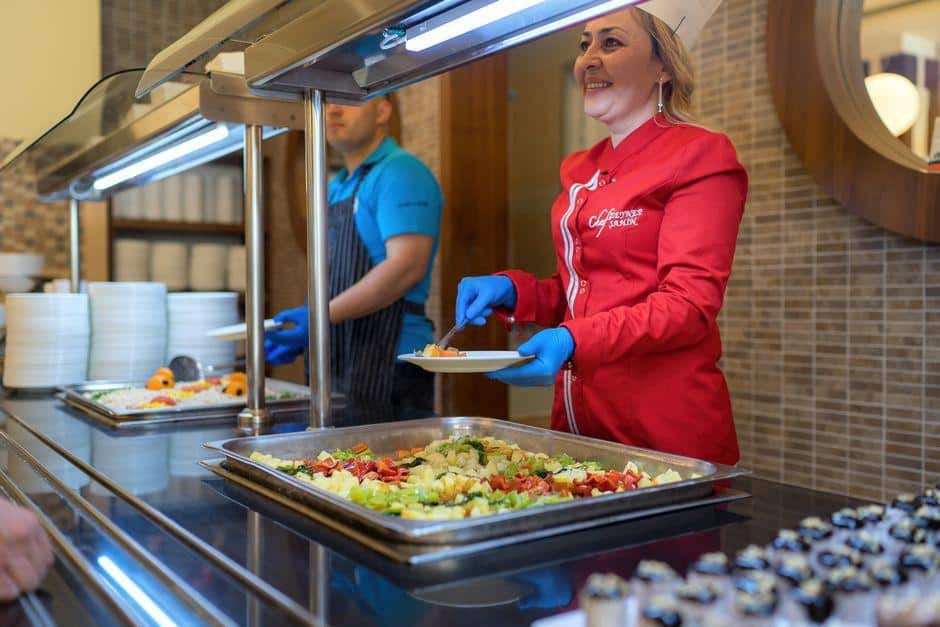
Hospitality shows up in places you visit all the time. Hotels need staff who can solve problems without making guests feel like part of a mystery novel. Restaurants need leaders who can keep service smooth even when the dinner rush hits like a stampede. Senior living spaces, event venues, and wellness centers also depend on people who know how to care for others with patience and professionalism.
That’s where training makes a real difference. A formal program like a Bachelor’s degree in Hospitality can help you build useful skills in communication, leadership, service, and guest care. Those aren’t fancy buzzwords. They’re the tools that help you calm an upset guest, organize a busy team, and make sure people feel welcome instead of ignored.
You can learn some of this on the job. Still, structured education often gives you a stronger foundation. It helps you understand not just what to do, but why it matters.
Health meets hospitality
Health and hospitality might sound like distant cousins, but they work together more than you’d think. In healthcare-related settings, hospitality can shape how people feel during stressful moments. A clean room, a kind greeting, and simple, clear directions can ease tension fast. No magic wand needed.
Think about patient experience in clinics or hospitals. People may be nervous, tired, or in pain. Hospitality skills help staff create a calmer environment. The same goes for nutrition services, where meals need to be safe, appealing, and suited to different needs. Good food service is not just about taste. It’s also about comfort and dignity.
Wellness retreats and senior living communities rely on this balance too. Guests and residents want spaces that feel peaceful and well-managed. Cleaner shared areas, respectful service, and thoughtful routines support both physical health and emotional well-being. Sometimes the smallest details, like fresh linens or easy-to-read signs, do a lot of heavy lifting.
People-first career skills
Hospitality careers run on people skills. Not the cheesy kind where you grin until your face hurts, but the real kind that helps others feel seen and supported. Empathy is a big one. If you can understand what someone needs, you’re already halfway to helping them.
Organization matters too. A great hospitality worker often keeps track of schedules, guest requests, team tasks, and last-minute changes all at once. It’s a bit like juggling, except with fewer clowns and more coffee. Problem-solving also plays a huge role. Maybe a room isn’t ready, an event setup changes, or a guest has a food allergy. You need to think clearly and act quickly.
Then there’s teamwork and calm communication. These skills help everyone stay on the same page, especially during busy or stressful times. When workers stay respectful and steady, people feel safer and more comfortable. That can build trust fast, whether you’re helping travelers, patients, diners, or local families at a community event.
Where graduates can work
One of the best things about hospitality is the variety. You’re not stuck on one narrow path. Graduates can work in hotels, resorts, restaurants, event planning companies, tourism businesses, and recreation centers. Some move into healthcare support environments where comfort, scheduling, food service, and guest experience all matter.
You might enjoy the energy of a busy resort. Or maybe you’d rather help run community programs, coordinate events, or manage food service in a senior living setting. Some people like the travel side of hospitality, helping visitors explore new places. Others prefer local roles where they can build stronger ties with their own community.
That flexibility is a big advantage. Your career can shift as your interests change. You may start in guest services and move into management later, or begin in events and discover you love wellness spaces instead. Hospitality gives you room to grow without forcing you into one box.
Better spaces for everyone
Good hospitality helps create spaces that feel healthier and more welcoming. Cleanliness is one obvious piece. Nobody wants to stay in a hotel room with mystery crumbs or attend an event where the restroom looks like it lost a fight. Clean spaces help people feel safe, relaxed, and respected.
Thoughtful service matters just as much. Maybe it’s a restaurant that handles food allergies carefully. Maybe it’s a venue with ramps, clear signs, and seating that works for different needs. Maybe it’s hotel staff who notice a tired family and speed up check-in. These things may seem small, but they change how people experience a place.
Guest satisfaction isn’t only about luxury. It’s often about ease, comfort, and being treated like a human being instead of a number. When hospitality teams pay attention to access, cleanliness, and kindness, they help make public and private spaces better for everyone who walks through the door.
Choosing the right path
If you’re thinking about hospitality, start with your strengths. Do you enjoy helping people when they’re stressed or unsure? Are you organized, friendly, or good at staying calm when plans change? Those qualities can take you far in this field.
It also helps to think about the kind of setting you’d actually enjoy. Some jobs involve nights, weekends, or holidays. Others offer steadier schedules in offices, schools, healthcare support spaces, or community organizations. Be honest with yourself about what pace and routine fit your life.
Long-term goals matter too. Maybe you want leadership opportunities. Maybe you want a flexible career with different options over time. Hospitality can offer both, but it works best when you match your path to your interests. If you like making places run better and helping people feel comfortable, this field may fit you like a freshly made bed with hospital corners.