


Having a record expunged is meant to give someone a clean slate. The whole point is that the record is wiped or sealed, so it no longer follows them into job applications.
So it comes as a nasty shock when an expunged record turns up on a background check anyway. It happens more than people expect, and it causes real harm.
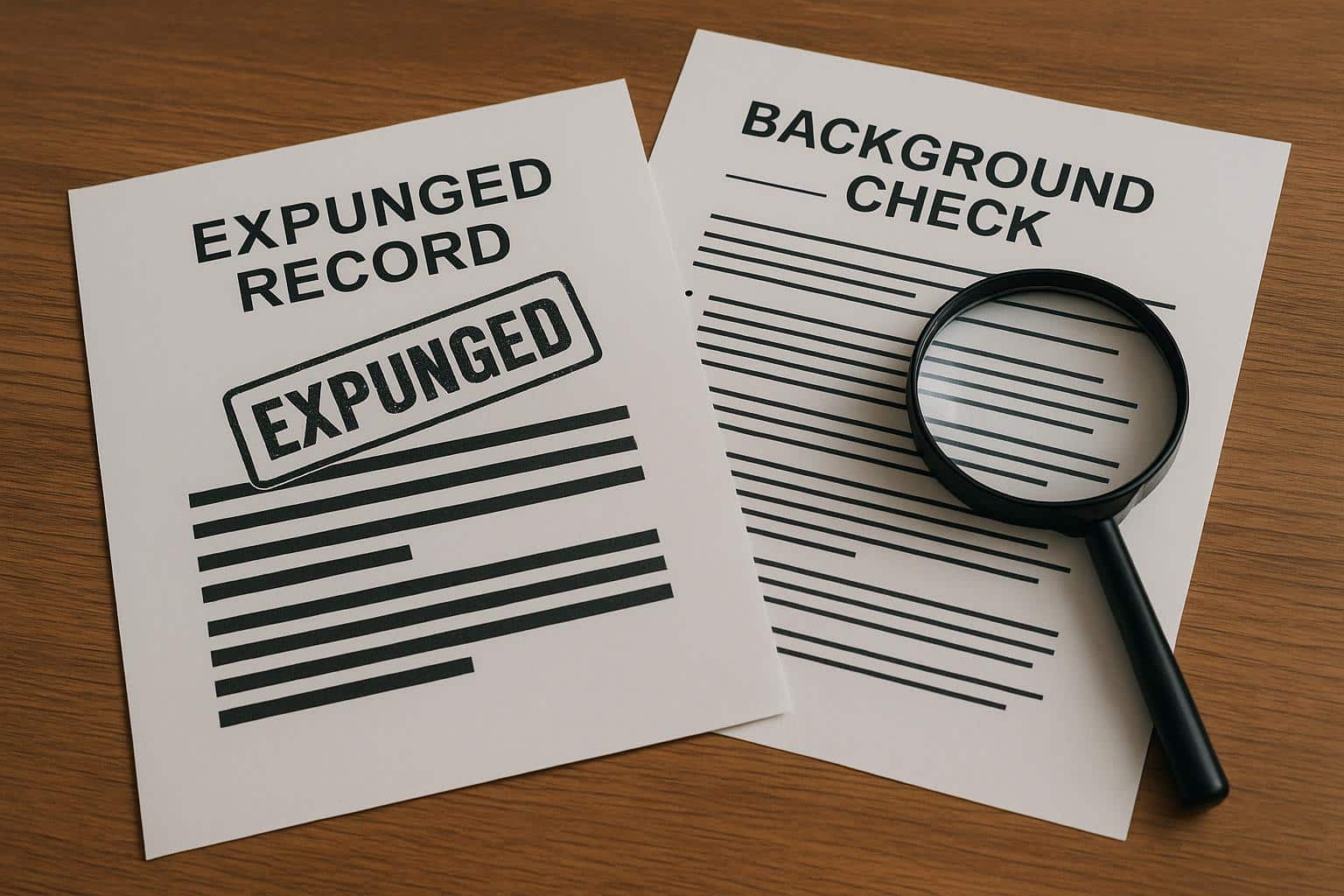
Here is how expunged records can still show up, and what employers and candidates should do about it.
What Expungement Is Meant to Do
Expungement is a legal process that removes or seals a record from public view. Once done, the person can usually truthfully say they have no such record.
The aim is fairness: a second chance for someone who has moved on. In theory, an expunged record should never appear on a standard check.
Reality, unfortunately, does not always match the theory.
Why It Still Shows Up
The problem is rarely the law and almost always the data. Records live in many different places, and they do not all update at the same time.
When a court expunges a record, that update has to reach every database that holds a copy. Private data sources often lag, so an old record can linger long after it should be gone.
Some aggregators buy bulk data periodically and rarely go back to refresh it. A record cleared months ago can still sit in their files, waiting to resurface on a report.
The record was legally cleared; the data simply did not catch up.
How an Expunged Record Slips Through
A few common breakdowns let cleared records resurface. These are the usual culprits:
- Stale databases. Aggregated sources that have not refreshed since the expungement.
- Cached old data. A record copied before clearance and never updated.
- Slow court updates. A delay between the order and the records actually changing.
- Multiple copies. The same record is sitting in several places, only some of which are updated.
- Weak verification. A provider reporting a hit without confirming it is still valid.
Why This Matters So Much
Reporting a cleared record is not just sloppy; it can be unlawful and deeply unfair. It can cost an honest person a job they had every right to.
Regulators make it clear that criminal history must be handled carefully and fairly, and official guidance on the use of arrest and conviction records emphasises accuracy and fair treatment. An expunged record should never be the reason someone is rejected.
This is exactly why verification matters so much.
The Fix Is Proper Verification
The way to prevent this is to confirm every record at its source rather than trusting a database. A real check catches what a stale database gets wrong.
Quality background check services verify findings at the source, so a legally cleared record does not resurface in error. That protects both the employer and the candidate.
Accuracy is the whole job, not an optional extra.
The Bottom Line
Expunged records still appear because databases lag behind the law, not because the expungement failed. The damage to an honest candidate can be serious.
For employers, the answer is a provider that verifies at the source. For candidates, it is worth checking your own record before applying, so a data error never speaks for you.