


Ever had a tool break in the middle of a job and suddenly the whole task grinds to a halt? One minute you’re moving, the next you’re stuck waiting on a repair, scrambling for a workaround, or just watching the day fall apart piece by piece. In warehouses, construction sites, and manufacturing floors, equipment isn’t just a helper—it is the rhythm. In this blog, we will share how reliable equipment plays a make-or-break role in daily operations.
Small Failures Create Big Bottlenecks
Operations are often judged by output, but what holds everything together behind the scenes is consistency. That consistency depends heavily on whether machines, tools, and vehicles are functioning at full capacity. It’s not the major breakdowns that do the most damage—it’s the smaller disruptions that add up over time. When a lift doesn’t raise, a conveyor stalls, or a battery fails midday, the entire chain reacts.
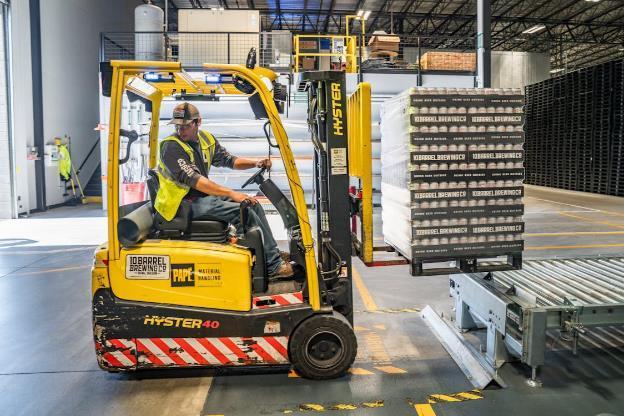
That’s what makes proactive maintenance such a non-negotiable. When operations depend on repeatable routines—loading, hauling, scanning, storing—anything that throws off the pace increases stress downstream. Workers spend more time troubleshooting than doing their actual jobs. Managers are forced to reroute workflows. Orders stack up. Delays multiply.
Having the right components in place isn’t just about having something that works. It’s about using parts that are built to handle the pressure of nonstop use. If you’re running older warehouse vehicles or industrial lifts, using high-quality Clark forklift parts can significantly extend the life and performance of your fleet. These parts are designed for real-world conditions and help prevent those frequent, low-grade breakdowns that slowly eat into your schedule and cost margin.
Instead of playing catch-up every time a piece of equipment goes down, operations that prioritize durable parts and routine upkeep stay ahead. They don’t lose hours to preventable issues. They build systems that hold under pressure—not just when things go right, but especially when they start to go sideways.
Worker Efficiency Is Tied to Equipment Stability
Reliable equipment doesn’t just improve workflow—it shapes the mindset of the people using it. When workers trust that their machines will do what they’re supposed to, they move with more confidence and speed. When they don’t, hesitation creeps in. They second-guess. They take extra time to compensate. That mental drag creates real slowdowns, even if the equipment technically “still works.”
You can’t expect a team to perform at a high level if the tools they’re relying on feel like a gamble. Equipment that runs rough or breaks without warning erodes morale fast. It sends a message that management is more focused on short-term savings than long-term performance. On the other hand, a well-maintained tool says the opposite. It shows investment in the people using it. And that message spreads faster than any corporate memo.
This isn’t just a warehouse issue. From healthcare to logistics to field services, tools are often the bridge between intention and execution. When they fail regularly, it creates burnout. When they work without friction, it gives people the mental space to focus on the job—not the workaround.
Downtime Doesn’t Wait for a Good Time
If there’s one universal truth in operations, it’s this: equipment rarely fails when it’s convenient. It fails mid-shift, mid-week, during the push for an end-of-month deadline or right before a scheduled delivery. The problem isn’t just the downtime itself—it’s the way it disrupts everything else.
In tightly run systems, even a 30-minute delay can throw off logistics, delay shipments, or trigger overtime just to stay on schedule. When these issues become common, they cost more than just lost time. They hit customer trust, employee retention, and monthly revenue targets.
The irony is that many operations try to save money by delaying upgrades or stretching equipment past its recommended limits. But what looks like cost savings on paper often becomes a recurring drain in practice. Between repair costs, labor inefficiency, and missed deadlines, unreliable equipment ends up being far more expensive than preventative care ever was.
Preventing downtime isn’t about eliminating every risk. It’s about tightening the gaps. It’s making sure the tools that carry your workflow aren’t the weakest link in your chain.
Modern Expectations Are Built on Speed
Thanks to same-day shipping, 24/7 availability, and instant tracking, customers and clients expect more now than they ever have. They expect fast turnaround, clean packaging, real-time updates, and zero surprises. That level of demand doesn’t leave much room for operational drag.
Behind every fast promise is a physical system that has to move just as fast—and reliably. Orders can’t be delayed because a lift failed to charge overnight or a key machine is waiting on a replacement part from two weeks ago. Customers don’t see those details. They just see what didn’t show up.
This shift in customer expectation has forced many businesses to rethink not just how they market or sell, but how they build operational resilience from the inside. Reliability becomes a competitive advantage, not just a maintenance goal. The businesses that stay consistent under pressure aren’t just better prepared—they’re more trusted. And trust is what keeps people coming back.
The Cost of Reaction vs. the Value of Preparation
It’s tempting to treat maintenance like a reactive task. Wait until something breaks, then fix it. But that model doesn’t hold up in an environment where every minute counts. The cost of unplanned downtime, rush parts, emergency repairs, and rescheduled labor adds up faster than most businesses calculate.
On the flip side, operations that invest early in high-quality parts, regular check-ins, and replacement schedules get to operate without the panic. They build calendars instead of chaos. Their teams know what to expect. Their workflows don’t collapse under minor issues.
Preparation doesn’t mean overspending. It means spending smarter. Knowing which equipment is nearing end-of-life. Tracking performance dips before they turn into failures. Swapping in parts before the system fails entirely. These aren’t just technical tasks—they’re leadership decisions that show foresight and discipline.
Strong Systems Build Stronger Operations
In any business that depends on movement—whether it’s product, people, or information—equipment acts as the backbone. If the backbone cracks, everything else feels it. The best-run operations aren’t built on wishful thinking or luck. They’re built on systems that anticipate, absorb, and adapt to pressure.
When your equipment is consistent, your staff can be, too. When your systems hold up through busy seasons, client demands, and surprise challenges, your operation earns the one thing money can’t easily buy: resilience.
In the end, the difference between “just getting by” and running a business that scales often comes down to how well your tools hold up under strain. And that’s not about guessing. It’s about building your systems so they don’t break when the work gets real. Because it always does.