


Have you ever plugged in a machine only to find that it keeps shutting off, runs poorly, or makes the power cord feel hot?
It is easy to blame the equipment, but the cord may be part of the problem. A cord that cannot handle the electrical load can affect how well your equipment works and may create safety risks.
- 1. Control Power Supply and Maintain Consistent Equipment Performance
- 2. Prevent Overheating Through Correct Current and Wire Gauge Ratings
- 3. Protect Equipment from Electrical Damage with Proper Voltage Ratings
- 4. Reduce Fire Hazards Through Suitable Insulation and Temperature Ratings
- 5. Ensure Safe Equipment Operation with Compatible Plug and Connector Ratings
- Conclusion

Power cord ratings help you understand whether a cord is suitable for your equipment. They show how much voltage and current it can handle, how thick its wires are, and how well its jacket can withstand heat and wear. Plug and connector details also help you make a safe match.
Let’s explore how these ratings affect equipment performance and safety.
1. Control Power Supply and Maintain Consistent Equipment Performance
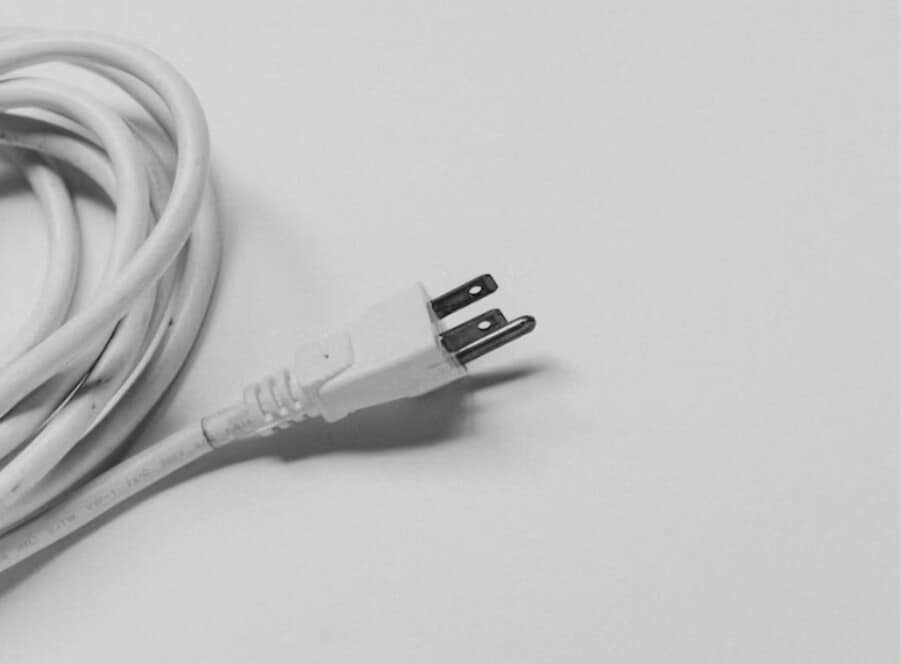
Your equipment needs a steady flow of electricity to perform its tasks properly. A power cord with the correct voltage and current ratings can carry the electrical load within its safe limits. This allows connected devices to receive the power they need for normal operation.
However, an unsuitable cord may struggle to handle the required load. This can lead to voltage drop, overheating, or interruptions in the power supply. As a result, equipment may run poorly, restart unexpectedly, or stop working altogether.
For example, a computer or industrial machine may not perform reliably if its cord cannot support the required electrical load. Using properly rated power cords helps maintain reliable power delivery and supports consistent equipment operation.
2. Prevent Overheating Through Correct Current and Wire Gauge Ratings
The thickness of the wires inside a power cord can make a big difference in how much heat they produce. Wire gauge tells you how thick the conductors are. In the American Wire Gauge system, a lower number means a thicker wire, so 14 AWG is thicker than 16 AWG.
When a cord carries more current than its wires can safely handle, electrical resistance creates excess heat. Over time, this heat can damage the cord’s insulation and increase the risk of electrical failure. Longer cords can also cause greater voltage drop, especially when they carry a heavy load.
A suitable wire size helps control resistance and keeps heat within safe limits. For this reason, a cord marked 14/3 may be suitable for a different load than one marked 16/3, depending on its full rating and application. Matching the wire gauge and current rating to the equipment helps prevent overheating and supports safer operation.
3. Protect Equipment from Electrical Damage with Proper Voltage Ratings
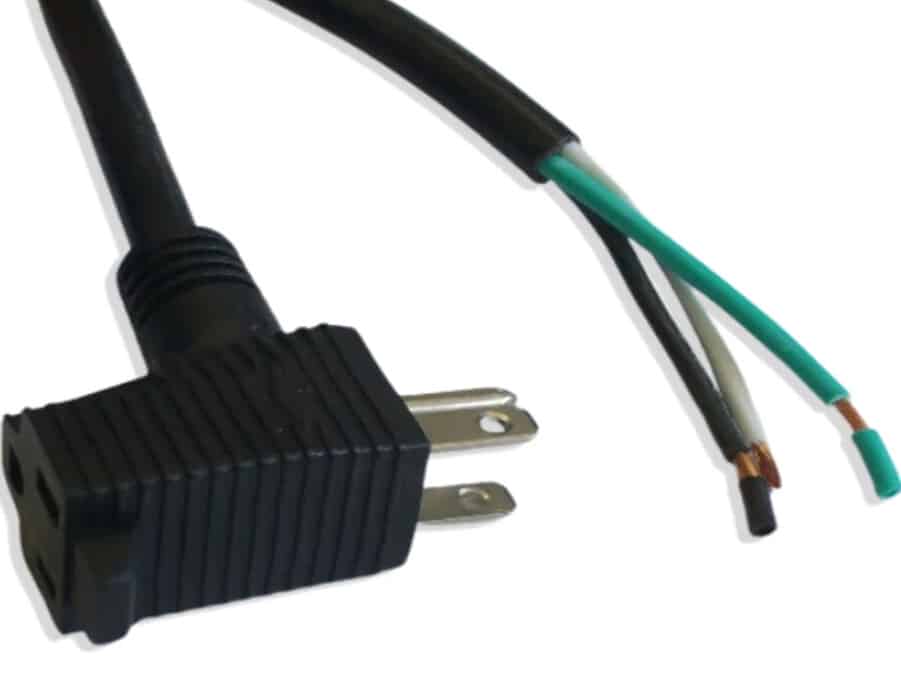
Not all power cords are designed to handle the same level of voltage. The voltage rating shows the maximum voltage a cord is designed to withstand safely. It indicates whether the cord’s insulation and internal parts can handle the electrical supply.
Problems can occur when a cord’s voltage rating is lower than the supply voltage. The electrical stress may cause insulation breakdown, cord failure, or other safety hazards. Although a higher voltage rating may be suitable, the cord’s current rating and other specifications must also meet the equipment’s needs.
Consider a cord rated for 125 volts being connected to a 240-volt supply. Its insulation may not be designed to withstand that level of voltage, which can create a serious safety risk. Using a cord with an appropriate voltage rating helps protect connected equipment and reduces the chance of electrical damage.
4. Reduce Fire Hazards Through Suitable Insulation and Temperature Ratings
A power cord often works in places where heat, moisture, oil, and everyday wear can affect its condition. Its outer jacket acts as a protective layer around the conductors, helping them withstand these conditions. Cord types such as SJTW and SJTOW have different construction features and intended uses.
As temperatures rise beyond a cord’s rated limits, its insulation can weaken over time. Once the jacket cracks or wears through, the wires inside may become exposed. This increases the risk of electric shock, short circuits, and fire, particularly when the cord is carrying a heavy electrical load.
Choosing insulation suited to the working environment helps protect the cord from early wear. Outdoor applications, for instance, may require protection against moisture and changing weather conditions. Keeping cords away from excessive heat, inspecting them regularly, and replacing damaged ones can further reduce fire risks.
5. Ensure Safe Equipment Operation with Compatible Plug and Connector Ratings
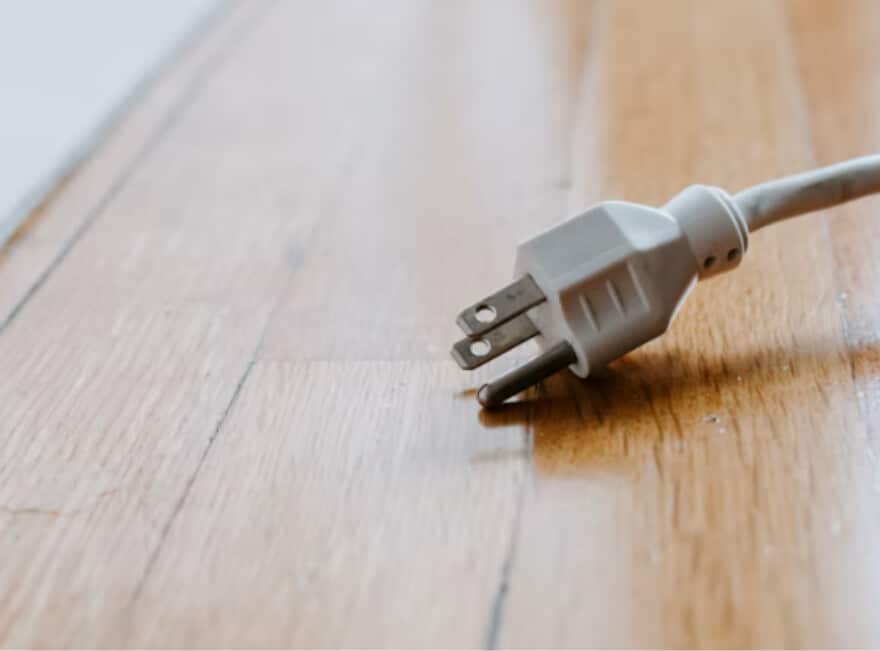
A power cord can only work safely if its plug fits the equipment the right way. Even if the voltage and current ratings are correct, the wrong plug can cause a loose connection. A loose connection can spark, get hot, or even start a fire.
Different machines need different kinds of plugs and connectors. Some common types are straight plugs, right-angle plugs, locking plugs, and piggyback plugs. There are also IEC connectors, bare wire ends, and ROJ connections, and each one is made to handle a certain amount of power safely.
When the plug and connector match, power flows through safely without extra heat building up. Locking connectors also help stop the cord from pulling loose when equipment moves or shakes. Choosing the right plug for the job keeps the cord and equipment safe to use.
Conclusion
Power cord ratings play an important role in how well and how safely your equipment works. The right voltage, current, wire gauge, insulation, temperature, and connector ratings help prevent power loss, overheating, electrical damage, and fire risks.
Before choosing a cord, compare its specifications with your equipment’s requirements and inspect it for damage. If you are unsure about a rating, check with the manufacturer or a qualified electrician. Choosing the right cord is a simple step toward reliable performance and safer operation.