


Real estate markets reach a point where similar messages appear everywhere and begin to lose impact. Online listings, paid ads, and email campaigns compete for the same audience every single day. Buyers and sellers see repeated claims with little emotional pull. This repetition lowers attention and trust across channels.
Direct mail marketing provides a clear path beyond real estate market saturation. A physical message reaches households without digital fatigue. It feels deliberate, personal, and respectful of time. Real estate professionals use this approach to reconnect with local audiences. The method supports clarity and presence. As a result, direct mail plays a strong role within saturated property markets.
- Builds Strong Personal Bonds With Local Homeowners
- Reinforces Local Expertise and Market Authority
- Cuts Through Oversaturated Advertising Channels
- Aligns Messages With Specific Property Audiences
- Strengthens Real Estate Brand Recall
- Encourages Real Conversations and Responses
- Provides Longevity That Digital Campaigns Cannot Match
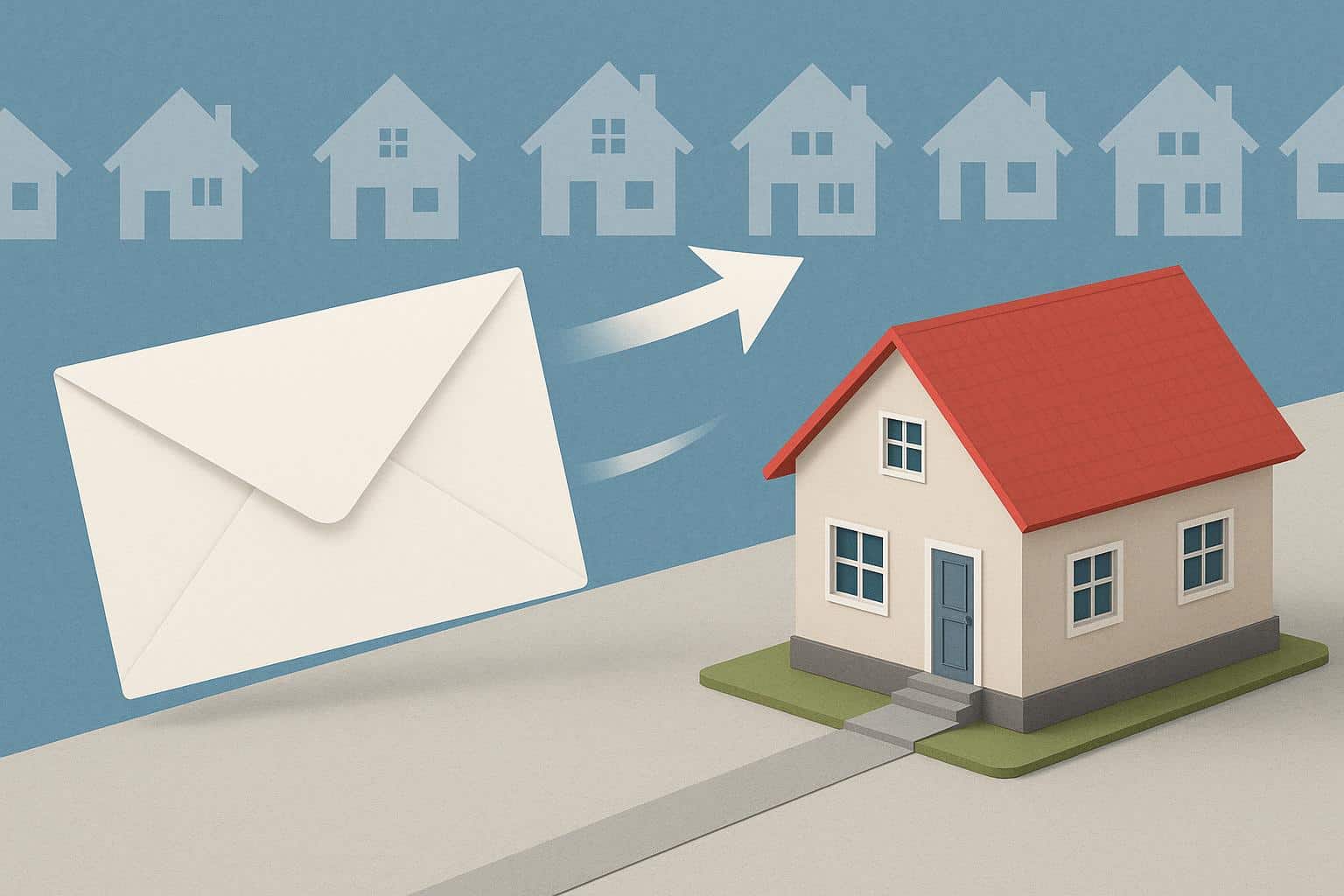
Builds Strong Personal Bonds With Local Homeowners
Direct mail establishes a personal tone that digital platforms struggle to match. A printed piece reflects effort and planning, which creates immediate credibility. Homeowners sense intention when a message arrives at their address. This sense encourages careful reading instead of quick dismissal. Personalized details such as neighborhood references add relevance and warmth. The message feels designed for a specific recipient rather than a wide crowd. This perception supports trust and familiarity.
Real estate professionals appear more approachable through this channel. A calm reading experience allows the message to settle naturally. Strong relationships grow from this consistent personal outreach. Over time, repeated mail builds recognition and comfort. Homeowners begin to associate the agent with reliability and local understanding. This familiarity becomes valuable when property decisions approach. The message feels less like advertising and more like a helpful presence within the community.
Reinforces Local Expertise and Market Authority
Direct mail allows real estate professionals to demonstrate local knowledge in a clear and practical way. Printed content can highlight recent neighborhood sales, pricing shifts, or buyer demand trends. These insights show active involvement within the area. Homeowners value agents who understand local conditions rather than broad market headlines. A well-written mail piece positions the sender as a reliable source of information. This authority builds confidence before any direct conversation begins.
Local references also strengthen credibility. Mentioning nearby streets, property types, or community developments shows attention to detail. Homeowners feel understood rather than targeted. This connection reduces skepticism and increases openness. Over time, consistent delivery of useful insights builds trust. Recipients begin to expect helpful information rather than promotion. This expectation changes the perception of the brand.
Cuts Through Oversaturated Advertising Channels
Screens deliver endless promotional content throughout the day. Many real estate ads fade into the background of scrolling habits. Email campaigns face crowded inboxes that limit attention span. Direct mail reaches a quieter environment inside the home. Fewer promotional pieces compete within the mailbox. Each item receives greater focus as a result. The physical format invites interaction and curiosity. Recipients pause longer with printed material. This pause supports message retention and clarity.
Real estate offers gain visibility through this reduced competition. In addition, printed mail avoids algorithm filters that restrict online reach. Every piece arrives as intended. This reliability improves campaign consistency. Homeowners often review mail during relaxed moments, which improves engagement. The absence of pop-ups and notifications helps the message stand on its own. As digital noise increases, this quiet channel gains strength.
Aligns Messages With Specific Property Audiences
Direct mail allows careful selection of property segments. Agents choose neighborhoods based on ownership patterns and market goals. This selection improves message relevance from the start as homeowners receive offers that align with current property conditions. Sellers feel recognized rather than grouped into a general list. Buyers see listings that match location and budget expectations. Clear targeting improves response quality and resources reach the right audience without waste.
This precision strengthens campaign efficiency. Focused outreach supports stronger engagement across local markets. Messaging can reflect recent sales, pricing trends, or local demand signals. These details add authority and relevance. Homeowners feel informed rather than pressured. Targeted mail also supports timing strategies. Agents reach owners during likely selling windows. This thoughtful approach improves outcomes and supports better conversations.
Strengthens Real Estate Brand Recall
Repeated exposure builds familiarity over time. Direct mail supports steady visibility within a chosen area. Homeowners recognize colors, logos, and tone after several deliveries and improve brand identity. This recognition builds confidence and comfort. Familiar names feel reliable during major property decisions. Consistency reflects professionalism and stability. Each mail piece reinforces brand presence. Trust grows through this ongoing contact. Real estate professionals remain top of mind.
Long-term recall improves market position. Even when recipients do not respond immediately, the impression remains. When a selling or buying need arises, the remembered brand feels safe and local. This recognition shortens decision time. Direct mail supports this gradual trust-building without pressure. Over months, visibility turns into preference. That preference strengthens competitive advantage in crowded markets.
Encourages Real Conversations and Responses
Physical mail invites action through its tangible nature. Recipients engage with printed content at their own pace. Clear calls to action stand out without distraction. Phone numbers and addresses feel accessible and direct. Many homeowners prefer personal contact outside screens. Direct mail supports this preference effectively. Tangible offers feel credible and grounded. This credibility leads to inquiries and conversations.
Real estate professionals gain warmer leads. Response quality improves through this personal channel. Conversations often begin with familiarity rather than skepticism. Homeowners reference the mail piece, which creates a natural starting point. This context improves discussion flow. Agents spend less time explaining intent and more time addressing needs. As a result, communication feels respectful and productive. Direct mail supports meaningful dialogue rather than quick clicks.
Provides Longevity That Digital Campaigns Cannot Match
Direct mail remains visible long after delivery. Unlike digital ads that disappear within seconds, a printed piece often stays inside the home. Homeowners place mail on tables, desks, or notice boards where it remains within view. This extended presence reinforces the message without repeated spending. Each glance strengthens familiarity and comfort with the brand. Printed materials also encourage sharing within households. Family members review the same message at different times. This shared exposure increases overall impact. Digital messages rarely achieve this level of durability.
Direct mail also supports thoughtful consideration. Homeowners revisit the content when they have time to reflect. This slower engagement suits real estate decisions that require planning. Offers feel less urgent and more trustworthy. The physical format supports clarity and calm evaluation. Over time, the message becomes part of the household environment. This consistency supports memory and recognition. In saturated markets, longevity creates an advantage. When homeowners are ready to act, the message remains present. Direct mail delivers a lasting influence that online channels struggle to replicate.
Real estate market saturation challenges visibility across sectors. Digital channels struggle to deliver attention amid constant noise. Direct mail marketing offers a steady alternative. It builds personal connection and reduces competition for attention. Direct mail supports meaningful engagement. Within crowded markets, this approach delivers lasting value.