


Crypto will continue to grow far beyond speculation; the digital asset is now being used in various payment systems, loyalty programs, and in the infrastructure of companies. The area experiencing the greatest activity within the migration toward crypto, besides finance, is digital entertainment. Gaming, video streaming, and interactive media are among the areas of digital entertainment that are beginning to widely adopt crypto (both as a primary or secondary form of payment). For U.S. companies interested in staying current regarding Fintech trends, this trend offers significant practical implications that should be understood in detail.
Evolution of Crypto Payment in Digital Entertainment
Digital entertainment, like other retail segments, has historically adopted new forms of payment quickly. Credit cards were followed by e-wallets and then prepaid gift cards. Like those technologies before it, crypto payments appear to be gaining traction rapidly due to a combination of end-user acceptance and inherent benefits for platform providers.

There are several reasons why the pace of adoption appears to be increasing. Crypto payments can facilitate nearly instant settlements and do so outside of traditional banking channels. This is particularly important for platforms targeting global audiences. For end-users, crypto payments may create another level of anonymity in addition to possibly lower transactional fees compared to credit card based processing. For platform providers, avoiding or minimizing chargeback expenses represents a potentially large savings as chargebacks represent a major ongoing expense for many digital entertainment platforms.
Platforms accepting and utilizing crypto payments span the gamut of the digital entertainment space. Some platforms exist as fully native blockchain ecosystems, in which currencies and tokens created for use within applications are issued directly on a public blockchain. Other platforms allow users to transact using established cryptocurrencies such as Bitcoin or Ethereum in conjunction with more traditional payment methods. The diverse nature of these platforms reflect the differing strategic goals and requirements of each company within the digital entertainment industry. In highly competitive marketplaces, user acquisition is often the highest priority. Conversely, the cost structure of high volume microtransactions, which can occur numerous times during a single session of a particular application, is critical to many businesses.
Online Poker & Crypto Native Platforms
One area of the digital entertainment industry where crypto has been utilized extensively is in online poker. Online poker is a natural fit for crypto payments because players often value fast deposits, quick withdrawals, lower payment friction, and access across international markets. Many poker platforms have constructed their entire business models upon the foundation of crypto payments versus simply adding them to pre-existing card-based payment infrastructures.
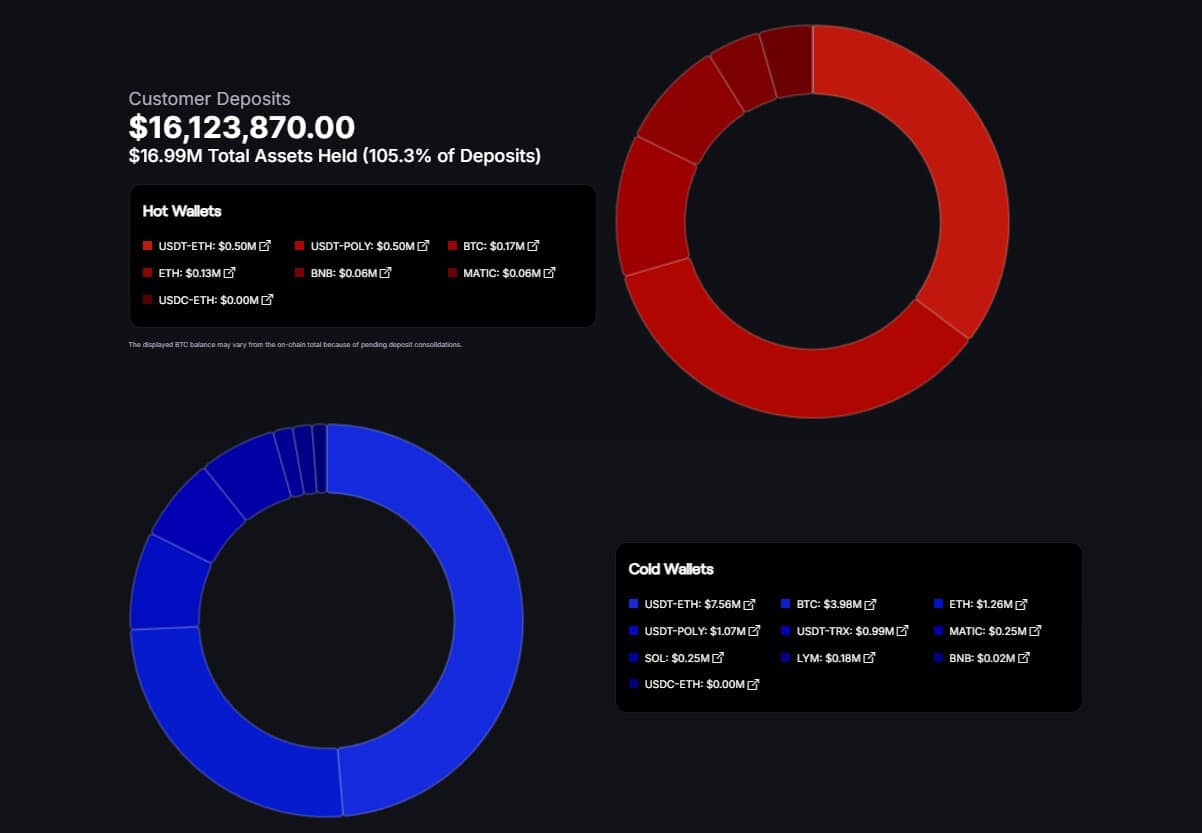
CoinPoker is an example of how a poker platform where digital assets remain central to deposits, withdrawals, and bankroll management. CoinPoker is a crypto-first poker platform that supports multiple cryptocurrencies, including USDT, USDC, BTC, ETH, SOL, BNB, POL, TRX, while also offering some traditional deposit options in selected cases.
The Impact of Acceptance on Commercial Operations
Businesses deciding whether to use cryptocurrency as an alternative to traditional means of payment can view the Internet Entertainment sector (Gaming/Media) as a useful benchmark for decision-making. In the Gaming/Media sectors there are some cross-appeal factors that will apply broadly to commercial operations.
Cross-Border Payment Efficiency. Traditional payment processing has substantial costs associated with international transactions. These include currency conversions and often several days delay in settling funds. With cryptocurrency transaction processing these two areas of cost can largely be eliminated. This could benefit businesses whose operations span multiple countries or serve customers in countries/regions with severely restricted access to traditional bank services.
Access to New Customer Segments. Growing numbers of consumers; especially younger generations, show preference for using digital currencies for making purchases. Businesses that allow payment via cryptocurrency can service customers who are either unbanked or simply desire the level of financial freedom that digital currencies provide versus card-based systems.
Lower Processing Costs. Substantial cost reductions can result from eliminating (or greatly reducing) credit card processing fees when dealing with large quantities of small transactions. This factor is particularly important for subscription based or freemium entertainment products since profit margin per transaction tends to be relatively low.
Emerging Monetization Models. Some businesses have begun integrating native tokens into their product offerings. For example, they sell tokens within their own ecosystem and create secondary economies. This represents an emerging trend, however it does demonstrate a structural shift in how digital products can be monetized outside of the traditional subscription/advertising framework.
Risks and Regulatory Considerations
There are many practical risks related to acceptance of cryptocurrency payment. One major risk is price volatility in terms of cryptocurrency value against fiat currencies. Most businesses mitigate this issue by immediately converting all cryptocurrency received into fiat currency. However, such implementation necessitates the integration with a reliable and compliant exchange.
Compliance with regulations also represents a serious challenge. In the US, businesses engaged in the receipt of cryptocurrency may require compliance with Anti-Money Laundering (“AML”) policies, Know Your Customer (“KYC”) policies, and/or obtain money transmitter licenses at the State Level. Federal regulatory guidance (e.g., guidance issued by the Financial Crimes Enforcement Network) continues to develop and businesses seeking to engage in this form of commerce should carefully track updates in the regulatory environment and seek appropriate counsel regarding the specifics of their situation and geographic location/business model.
Lastly, consumer protection considerations arise. Because cryptocurrency transactions are typically irreversible (unlike card-based payment systems), there is a reduced level of fraud protection afforded to consumers. Therefore, businesses accepting cryptocurrency payments should establish a process for resolving disputes with consumers that accounts for this structural difference relative to conventional payment mechanisms.