


From watching football matches to collecting celebrity merchandise, fans are always looking for deeper connections with their favorite teams, athletes, idols, and actors. Traditional posters, cards, and physical products can capture memories, but they often provide only static experiences.
Augmented reality (AR) is changing this by transforming ordinary fan interactions into immersive digital experiences. With AR, fans can unlock hidden content, interact with digital avatars, view exclusive statistics, and bring merchandise to life simply by scanning a QR code.
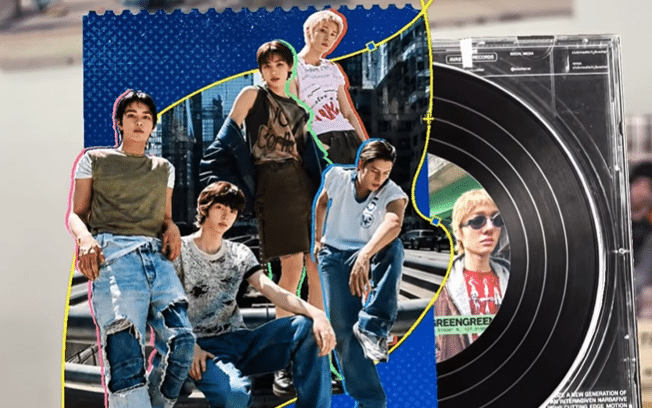
An AI AR agent makes this technology more accessible by allowing creators to design interactive AR scenes from prompts without advanced programming skills. Instead of building complex AR applications from scratch, brands can quickly create personalized experiences for campaigns, events, and merchandise.
What Is an AR Generator?
An AR generator is a tool that helps users create augmented reality experiences by combining digital assets, interactive elements, and real-world environments.
Unlike traditional AR development, which usually requires professional coding knowledge and a long production cycle, modern AR generators provide visual editors, templates, and AI-powered tools that simplify the creation process.
Creators can upload images, 3D models, videos, animations, and other digital assets, then place them into AR scenes that users can access through smartphones or browsers.
Why Do People Like AR Experiences?
The popularity of AR comes from its ability to combine the physical and digital worlds. Instead of simply watching or purchasing something, users become active participants in the experience.
1. AR Creates More Emotional Connections
Fans do not just support teams, athletes, or celebrities because of their products. They value emotional connections and memorable moments. AR helps strengthen these relationships by adding interactive digital layers to everyday objects.
2. AR Makes Merchandise More Valuable
Traditional merchandise is often limited to physical designs. However, AR can turn ordinary products into interactive collectibles. Brands can add digital content to football cards, jerseys, posters, product packaging, concert merchandise, and limited-edition collectibles.
3. AR Provides Shareable Social Experiences
Another reason AR has become popular is its social potential. AR filters and interactive effects encourage users to create and share content on social platforms. Fans can take photos with virtual players, wear digital team accessories, or interact with celebrity-themed effects.
How to Create Your Own AR Scenes
Creating an engaging AR experience may sound complicated, but modern AR generators make the process much easier.
With a no-code WebAR free creation platform like Kivicube, marketers, designers, and businesses can build immersive AR experiences without requiring professional development skills. The platform provides an intuitive workflow that allows users to transform creative ideas into interactive AR scenes.
1. Choose an AR Template or Start from Scratch: Creators can begin by selecting a suitable AR template from the wide range of AR template library based on their goals.
2. Add Digital Assets Easily: AR experiences become more engaging when combined with rich digital content. With Kivicube, users can add different types of assets.
3. AI-Powered AR Assets Generation: The AI generator helps to create AI images, videos, and even 3D models with advanced AI algorithms.
4. Design Interactive AR Experiences: The most effective AR experiences are not only visual but also interactive. Creators can add actions and triggers that allow users to explore content naturally.
5. Publish and Share Without an App: One of the biggest advantages of modern WebAR technology is accessibility. Unlike traditional AR applications, WebAR experiences do not require users to download an app. Fans can simply scan a QR code or open a link to start experiencing AR through their mobile browsers.
The Widespread Use of AR in Fandom
As fan culture continues to evolve, AR has become a powerful tool for creating more interactive relationships between audiences and their favorite sports teams, idols, actors, and brands. Unlike traditional marketing methods that deliver one-way messages, AR experiences encourage fans to participate, explore, and share.
Use Case 1. AR Football Cards
One of the most popular applications of AR in sports fandom is the AR football card. Traditional football cards have always been valuable collectibles for fans. However, AR technology adds a new digital dimension to these physical products.
By scanning an AR football card, fans can unlock interactive content such as:
3D player appearances
Career highlights and memorable moments
Match statistics and performance data
Exclusive interviews
Virtual celebrations and animations
Beyond football, similar AR collectible experiences can also be applied to basketball cards, esports merchandise, and limited-edition sports products. Sports organizations and brands can use AR football cards not only as collectibles but also as marketing tools to increase engagement, promote events, and create new revenue opportunities.
Use Case 2. AR Filters
AR filters are another widely adopted application in fandom marketing. Social media platforms have made AR filters one of the easiest ways for fans to interact with celebrities, sports teams, and entertainment brands.
For sports fans, AR filters can include:
Virtual team jerseys
Digital face paint
Player-inspired effects
Stadium-themed backgrounds
Championship celebration effects
During major sporting events, brands can launch AR filters that allow fans to show support for their favorite teams and share their experiences online.
Similarly, entertainment companies use AR filters to promote movies, TV shows, and music releases. Fans can transform themselves with themed effects, interact with fictional characters, or create content inspired by their favorite actors and idols.
Use Case 3. AR Merchandise for Idols and Actors
The influence of AR is not limited to sports. The entertainment industry is also exploring new ways to connect idols, actors, and fans. For celebrities, merchandise plays an important role in building fan communities. However, physical products such as posters, albums, and photo cards usually offer limited interaction.
For example:
An idol photo card can reveal a virtual message from the artist.
A movie poster can unlock a behind-the-scenes video.
A concert souvenir can trigger a 3D performance animation.
A product package can display a virtual spokesperson.
These AR-powered experiences make merchandise more collectible and memorable while giving fans a stronger sense of connection with their favorite celebrities.
For brands, adding AR content to products also creates new opportunities for storytelling. Instead of simply displaying information, products can become interactive channels that deliver personalized experiences.
Final Thoughts
AR is reshaping the way fans interact with sports, entertainment, and brands. From AR football cards that bring athletes to life to AR filters that allow fans to become part of the experience, augmented reality creates deeper emotional connections and more memorable interactions. With platforms like Kivicube, anyone can transform creative ideas into immersive AR experiences and build stronger relationships with their audiences.