


Online shoppers cannot touch a product, compare its materials in person, or ask a sales associate to demonstrate a feature. Product visuals must do that work. A strong e-commerce page therefore needs more than a clean hero image. It needs a coordinated sequence of images that explains benefits, shows context, answers objections, and helps a shopper imagine using the product.
That requirement creates a production challenge. Brands may sell hundreds of products across multiple marketplaces, languages, campaigns, and seasonal promotions. Traditional photography and design remain valuable, but producing every visual variation manually can slow launches and make consistency difficult. AI-assisted product visual workflows are beginning to change that equation.
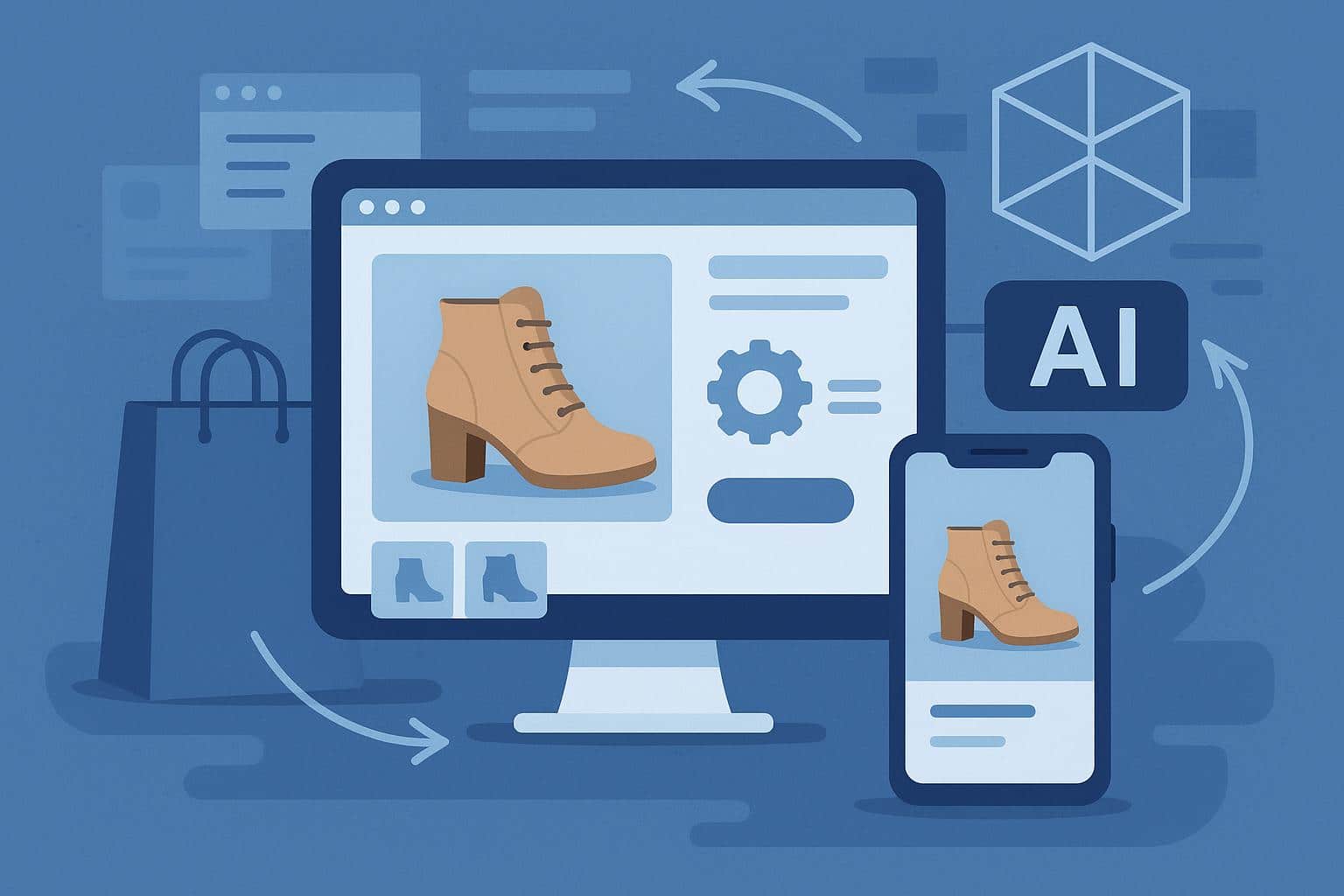
The Visual Content Bottleneck in E-Commerce
A typical product page may require a main image, feature callouts, lifestyle scenes, size or material explanations, comparison graphics, and mobile-friendly promotional assets. The same product may then need different dimensions and messages for a direct-to-consumer store, Amazon, Etsy, Google Shopping, or a regional marketplace.
The work expands quickly. One product becomes several visual sets, and each set passes through briefing, photography, retouching, layout, copy review, localization, and approval. Small teams often respond by reusing the same few images everywhere. Larger teams may produce more assets but face long feedback cycles and inconsistent results between designers, agencies, and markets.
The underlying problem is not simply a shortage of images. It is the absence of a repeatable system for turning product information into a coherent visual story.
Why Visual Consistency Matters
Consistency helps shoppers process information with less effort. When lighting, color, typography, spacing, and composition change sharply from one image to the next, a product page can feel assembled from unrelated pieces. A coordinated sequence makes the page easier to scan and gives the brand a more deliberate appearance.
This is especially important for catalogs with multiple variants. A footwear brand may need the same visual structure across colors and sizes. A home-goods seller may need to preserve the layout while changing dimensions, room settings, or feature priorities. Consistent templates reduce the risk that one listing appears polished while another looks unfinished.
Consistency also improves internal efficiency. Teams can evaluate outputs against a defined visual pattern instead of debating every page from the beginning. Reviewers focus on product accuracy, message clarity, and brand fit rather than repeatedly rebuilding the design direction.
From a Single Product Photo to a Visual System
AI product visual tools are most useful when they support a complete workflow instead of generating isolated pictures. The process can begin with a clean product photo, a short description, key selling points, a target audience, and the intended sales channel. Those inputs provide the basis for multiple coordinated assets.
For example, a seller launching a kitchen appliance might need a hero image, a lifestyle scene, three benefit graphics, a feature comparison, and a care guide. Instead of briefing every asset separately, the team can define the overall structure once and generate a connected visual set. Tools such as ai product photo generator can turn an uploaded product photo, selling points, and a target scenario into a coordinated set of marketplace-ready detail-page visuals.
The result is not merely faster image creation. It is a shift from asset-by-asset production to system-based production, where one approved direction can support an entire product page.
How AI Changes the Production Workflow
The strongest workflow still starts with preparation. AI does not eliminate the need for accurate product information or thoughtful creative direction. It reduces repetitive execution and makes iteration faster.
First, the team identifies the purpose of each image. A hero image should establish the product clearly, while a feature graphic should explain one benefit without competing messages. Lifestyle scenes should show realistic use rather than add decoration.
Second, the team provides dependable inputs. High-quality source photos, accurate dimensions, approved claims, brand colors, and clear audience information produce more useful results. Vague prompts often create visually attractive but commercially weak images.
Third, the team chooses a consistent template or reference direction. This creates a shared visual language across the page. The system can then adapt scenes, layouts, and copy while preserving the approved structure.
Finally, the team reviews and refines. Instead of waiting for a complete redesign, stakeholders can request focused changes: simplify a headline, replace a background, emphasize a feature, or adapt the page for another language. Faster iteration makes it practical to test more than one visual approach before launch.
Human Review Remains Essential
AI-generated visuals still require human judgment. Product shape, packaging, logos, materials, proportions, and usage scenarios must be accurate. A generated image that looks polished but misrepresents the item can create returns, complaints, or advertising compliance problems.
Teams should establish a review checklist covering product fidelity, readable text, claim accuracy, brand consistency, cultural appropriateness, and marketplace requirements. Regulated categories may need additional legal or compliance review.
Human reviewers also determine whether the visual sequence tells a convincing story. Technology can generate options, but a merchandiser or creative lead still decides which benefit should appear first, which objections matter most, and whether the page matches the expectations of the target shopper.
Measuring the Business Impact
Faster production is useful, but the real value should be measured through business outcomes. Teams can compare time to launch, cost per visual set, number of revision rounds, and the percentage of catalog pages that meet brand standards.
Customer behavior provides another layer of evidence. Conversion rate, add-to-cart rate, time on page, image-gallery engagement, and return reasons can reveal whether new visuals improve understanding. Marketplace sellers can also compare listing performance before and after updating the visual sequence.
Testing should focus on meaningful differences. A brand might compare a feature-led image order with a lifestyle-led order, test concise copy against detailed explanations, or evaluate different hero compositions. AI-assisted production lowers the cost of creating these variants, but disciplined measurement is what turns experimentation into learning.
A Practical Adoption Path
Brands do not need to replace their entire creative process at once. A practical starting point is one product category with repeatable layouts and clear performance data. The team can document the existing production time, create an AI-assisted visual set, and compare quality, speed, and results.
The next step is to build reusable standards: approved templates, prompt structures, input requirements, review checklists, and naming conventions. These standards make the workflow easier to repeat across products and team members.
High-value campaigns may still justify custom photography and art direction. Routine catalog expansion, localization, seasonal variants, and product-page refreshes are often better places to use automation first. A hybrid approach allows brands to protect creative quality while removing avoidable production delays.
Conclusion
E-commerce teams increasingly compete on the speed and clarity of their visual communication. The challenge is no longer producing one attractive product image. It is creating a consistent, informative, and adaptable visual system for every product and channel.
AI-assisted product visual workflows make that system more achievable. When brands combine accurate inputs, reusable templates, human review, and performance measurement, they can shorten production cycles without treating creativity as an afterthought. The result is a more scalable content operation and a product page that helps shoppers understand what they are buying.