


Adrenaline kicks in right after an accident. You focus on getting medical help, calling family, and making sense of what just happened. But when the dust settles, you are left with big questions. Who’s paying for this? What are your rights? Are you supposed to just accept what the insurance company offers? It can feel like too much, especially when you’re trying to heal. This article is here to help you slow down, get clear, and consider whether a lawyer might be the right next step.
Why It’s So Hard to Navigate the Claims Process Alone
You might feel like your case is straightforward. You were hurt by someone else’s carelessness. That should be enough, right? But in reality, that’s only the starting point. The legal system demands more than a story. It needs documentation, timelines, expert opinions, and often, a fight against an insurance company whose job is to minimize your pain to a number.
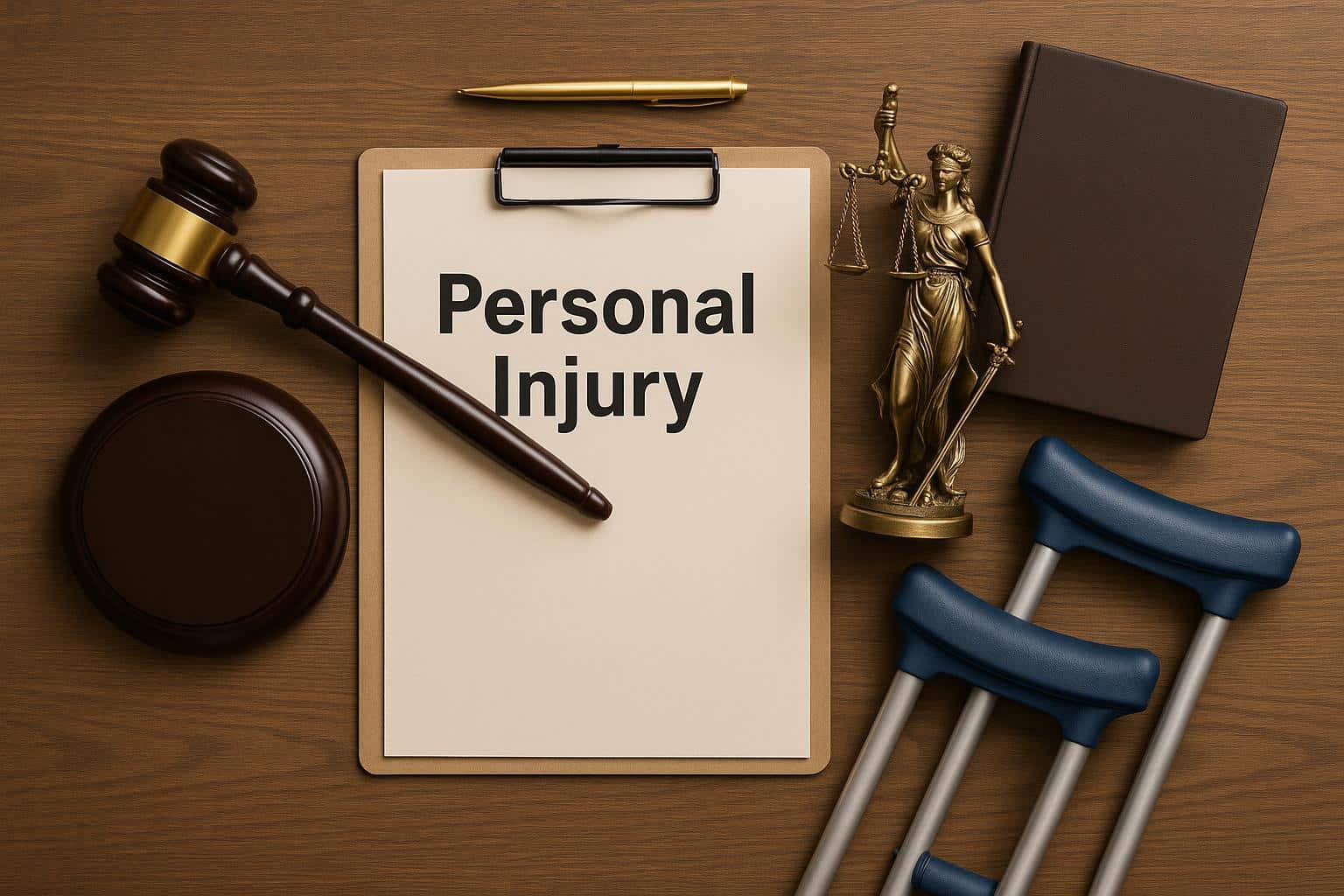
“Even if the facts seem clear to you, you are the one who has to build the case. You are expected to prove the severity of your injuries, justify every dollar you seek and anticipate how your life could change months or even years from now. That’s a lot of pressure to carry on your own, especially when your main job should be healing,” says personal injury attorney Amy Gaiennie of Amy G Injury Firm.
How a Personal Injury Lawyer Makes a Difference
It’s okay to admit you need help. You are recovering, physically and mentally, you shouldn’t have to figure it all out alone. A personal injury lawyer can step in as your advocate, someone who knows the system, knows the paperwork, knows what’s fair, and how to fight for it. They do the heavy lifting so you can focus on what actually matters, your health and your future.
Evaluate your case
The first thing a lawyer does is look at the full picture, they will ask what happened, how you were hurt, and what that could mean for your future. They are trained to spot details you might miss, like whether someone else’s negligence can be proven under Colorado law or if more than one party might be responsible.
Collecting evidence
The burden of proof is on you, but when you have a lawyer, you are not carrying it alone. They know what to look for and where to find it. From documenting injuries to digging up surveillance footage or contacting key witnesses, they collect the evidence that turns a claim into a case.
Calculating what you’re really owed
A good lawyer looks beyond the immediate costs and asks what will this injury mean for you six months or a year from now? They factor in future medical care, missed work, emotional toll, and even how your injury might limit your life going forward.
Handling insurance companies
Dealing with insurance adjusters can be exhausting. They are trained to ask questions in ways that can be used against you later. A personal injury lawyer shields you from that. They communicate on your behalf, make sure your statements are protected, and challenge offers that do not come close to covering what you have lost.
Negotiating or going to trial
Many cases settle outside the courtroom, but getting to that point takes strategy. A lawyer knows how to build a case that can hold up at trial, and that alone gives them leverage during negotiations. And if a trial becomes necessary, they have already done the legwork. You won’t be starting from scratch, and you won’t be standing there alone.
Conclusion
At the end of the day, you don’t have to know everything — you just have to know when to ask for help. If you are injured, overwhelmed, or unsure of what comes next, talking to a personal injury lawyer can bring some clarity to the chaos. You do not have to figure it out alone. And you shouldn’t have to settle for less than what your recovery truly needs.