


When most people think about 3D printing, they picture hobbyists making toys or small plastic gadgets at home. While that is certainly part of the industry, 3D printing has quietly expanded into many aspects of everyday life, from healthcare and education to manufacturing and home improvement. Behind many of these innovations is access to quality materials from a reliable PLA Filament Supplier, helping creators turn digital ideas into physical products with greater consistency and ease.
In recent years, 3D printing has become significantly more accessible. Machines that once cost thousands of dollars are now available to consumers at affordable prices, making it possible for students, entrepreneurs, educators, and hobbyists to explore new forms of creativity and production. This growing accessibility has fueled a major shift in how people approach problem-solving and product design.
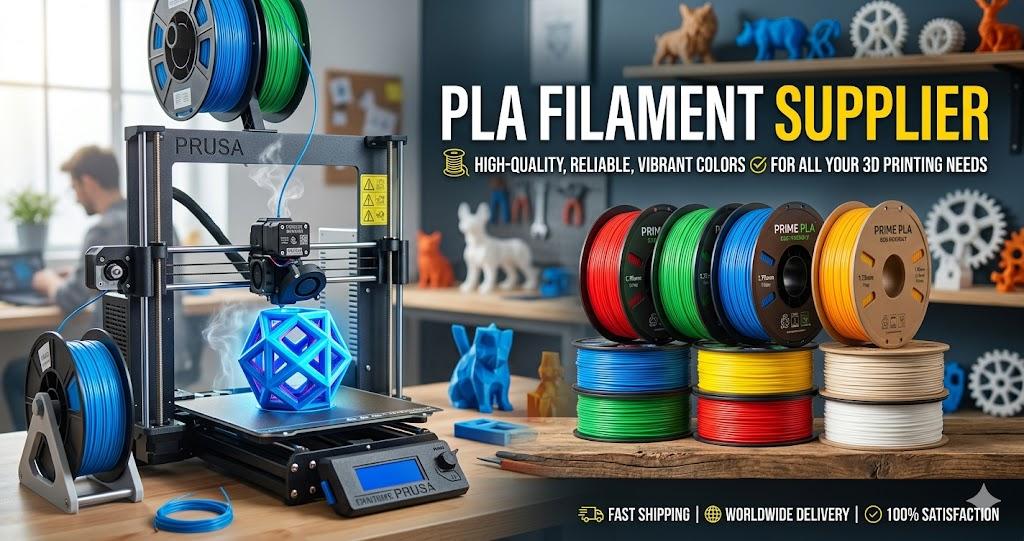
What Exactly Is 3D Printing?
At its core, 3D printing is the process of creating a physical object layer by layer from a digital design. Instead of cutting away material like traditional manufacturing methods, additive manufacturing builds objects from the ground up.
A designer creates or downloads a digital model, which is then processed through slicing software that converts it into instructions for the printer. The printer deposits material one thin layer at a time until the final object is complete.
This process makes it possible to create everything from simple household organizers to detailed prototypes, replacement parts, decorative items, educational tools, and functional mechanical components.
Why PLA Is One of the Most Popular Materials
Among the many materials used in consumer 3D printing, PLA has become one of the most widely adopted options. Short for polylactic acid, PLA is often chosen because it is beginner-friendly, relatively easy to print, and available in a wide variety of colors and finishes.
Unlike some more advanced materials, PLA generally prints with less warping and fewer complications, making it ideal for newcomers learning how to use a printer. It is commonly used for prototypes, home décor, educational models, toys, and artistic projects.
Another reason PLA has gained popularity is its plant-based origins. It is typically derived from renewable resources such as corn starch or sugarcane, which appeals to environmentally conscious users looking for more sustainable material options.
How Different Industries Are Using 3D Printing
The influence of 3D printing extends far beyond hobby use. In healthcare, doctors and engineers are using printed models to assist with surgical planning and medical education. Custom prosthetics and assistive devices are becoming more affordable thanks to rapid manufacturing capabilities.
Schools and universities are also integrating 3D printing into classrooms. Students can physically create prototypes, science models, and engineering concepts that once existed only in textbooks. This hands-on approach often improves engagement and understanding.
In manufacturing, businesses use 3D printing for rapid prototyping, allowing teams to test designs quickly before investing in expensive production methods. Small businesses and startups benefit especially because they can develop products without major upfront costs.
Even homeowners are finding practical uses for the technology. Broken clips, missing brackets, cable organizers, custom hooks, and replacement components can often be designed and printed at home rather than purchased.
Why Material Quality Matters
While the printer itself receives much of the attention, material quality plays a major role in successful results. Inconsistent filament can lead to failed prints, weak structures, rough surfaces, and wasted time.
Choosing dependable materials helps improve print consistency and reduces common frustrations, especially for beginners. Reliable filament with stable diameter tolerances and proper manufacturing standards often results in smoother printing experiences and better final products.
For businesses and creators producing customer-facing items, consistency becomes even more important. A failed print can mean wasted resources, delayed timelines, and additional costs.
The Future of Everyday Manufacturing
As 3D printing technology continues to improve, experts believe it may fundamentally change how products are made and distributed. Instead of waiting days for replacement parts to ship, consumers may increasingly download digital files and print certain items locally.
Small-scale manufacturing could become more decentralized, allowing creators and businesses to produce products on demand with minimal waste. Customization may also become more common, giving people access to products designed specifically for their needs.
Although 3D printing may still seem futuristic to some, it is already becoming part of everyday life in subtle but meaningful ways. From classrooms and workshops to homes and medical facilities, the technology continues to expand what is possible.
For anyone curious about modern manufacturing, 3D printing offers a fascinating look at how digital creativity can become something tangible. As the technology becomes easier to use and more widely available, its role in daily life will likely continue to grow.
About SS Marketing Solutions
SS Marketing Solutions is a professional SEO and guest posting service provider specializing in high-quality backlink placements and digital outreach. The team works with a strong network of niche-relevant websites across tech, AI, fashion, lifestyle, and e-commerce Crypto industries. The main focus is to help businesses improve their Google rankings, increase organic traffic, and build long-term authority through safe and effective white-hat SEO strategies.
We offer guest posts, niche edits, and contextual backlinks on DR50–80+ websites, all with permanent and do-follow links for maximum SEO value.
For collaborations and inquiries, please contact: fengyangmarketing@gmail.com
Publication Partner: SS Marketing Solutions