


Honor arrived at Mobile World Congress with a clear mission to be remembered. The company previewed a concept Robot Phone with a moving camera module, introduced a humanoid robot prototype, and expanded its Magic lineup with a flagship foldable, a high-refresh tablet, and a performance laptop. It’s a calculated bid to stand out at a show where the GSMA’s halls are saturated with AI talk and lookalike slabs.
A Phone That Moves Like It Means It, With A Gimbal
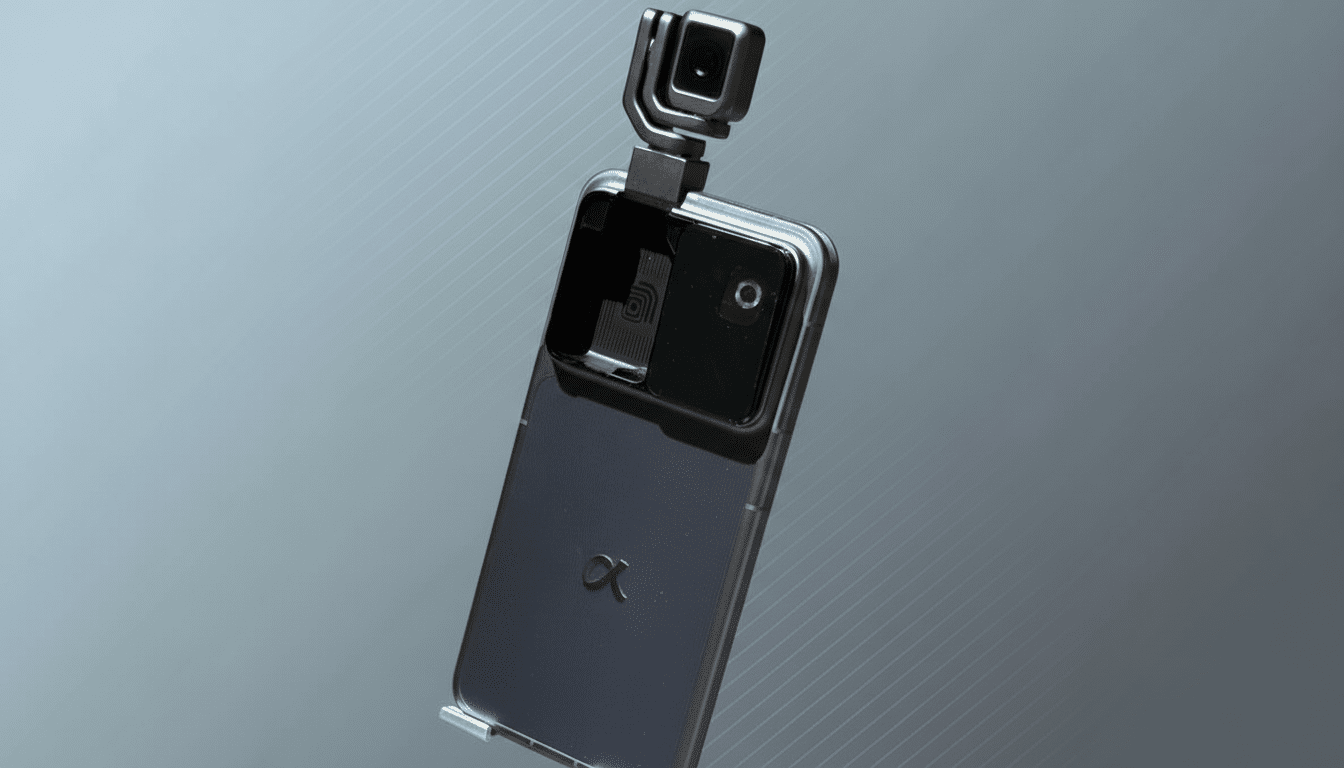
The Robot Phone concept pushes beyond static smartphone design by mounting the camera on a mechanized gimbal. Honor says the module offers four degrees of freedom and three-axis stabilization, enabling the device to track motion, identify sounds, and maintain environmental awareness. In practice, think 360-degree video calls that follow you around a room, a camera that can “nod” or “shake” responses, and smooth, cinematic moves powered by AI tracking.

Translating robotics into a handheld presents real engineering trade-offs—weight, durability, and internal volume chief among them. Honor’s pitch is that an intelligent, mobile lens closes the gap between phone footage and professional storytelling, with features like AI SpinShot to choreograph pans and rotations. For now, this is a concept with no commercial date attached, but it’s easily the quirkiest hardware idea on the show floor.
Magic V6 Aims Squarely At Premium Foldables
Honor’s Magic V6 goes after the category leaders with a mix of thinness, toughness, and battery innovation. The device measures 8.75mm when closed and roughly 4.4mm when open, yet claims IP68/69 resistance for dust and high-pressure water. That’s rare among large foldables and addresses a pain point for buyers who want durability without bulk.
Under the skin is a 6,660mAh silicon-carbon battery—a chemistry Honor says enables higher energy density in a slimmer chassis. The company also teased a 7,000mAh silicon-carbon pack slated for future phones. The outer display spans 6.52 inches; the inner unfolds to 7.95 inches. Both use LTPO tech for 1–120Hz adaptive refresh, with peak brightness rated at a striking 6,000 nits and 5,000 nits, respectively. A redesigned hinge reportedly reduces the crease depth by 44%, and special coatings cut reflectivity to as low as 1.5%.
Specs And AI Stack In Overdrive On Magic V6
On performance, the Magic V6 pairs a Qualcomm Snapdragon 8 Elite Gen 5 with 16GB of RAM and 512GB of storage. Power flows via 80W wired and 66W wireless charging. Connectivity covers 5G (sub-6), Wi-Fi 7, Bluetooth 6.0, NFC, and GPS. Audio capture uses three microphones for stereo recording, and the camera array combines 50MP main, 64MP periscope telephoto, and 50MP ultra-wide sensors with a bright f/1.6 aperture on the primary lens.
As with most new flagships, AI is everywhere. The camera suite layers in an AI Color Engine, AI Super Zoom, Enhanced Portrait, and Motion Sensing. In post, the gallery offers AI Eraser, Upscale, Cutout, and Outpainting. Honor integrates Google’s Gemini for live call translation, multi-language writing help, meeting summarization, suggestions, and even deepfake detection. Expect a hybrid approach—on-device processing for latency and privacy, with cloud models for heavier tasks—mirroring the direction set by industry heavyweights.
A Humanoid Robot With Everyday Jobs And Uses
Beyond the phone, Honor previewed its first humanoid robot concept designed for three roles: shopping assistance, supportive companionship, and workplace inspections. The company says it trained the system’s behavioral priorities using aggregated insights from smartphone user feedback to better match real-world expectations. Owner recognition, basic intent understanding, and personalization are part of the plan. While details remain light, the move echoes broader industry experiments—think Pepper or biped warehouse bots—only repurposed for consumer and retail touchpoints.
Tablets And Laptops Round Out The Line At MWC
The MagicPad 4 lands as a large-format slate with a 12.3-inch 3K display running up to 165Hz. It’s powered by a Snapdragon 8 Gen 5, with configurations of 12GB/256GB or 16GB/512GB. A 10,100mAh battery supports 66W wired charging. Rounding out the spec sheet: a 13MP rear camera, 9MP front camera, Wi-Fi 7, Bluetooth 6, and an eight-speaker array for spatial audio.
For creators and students, the MagicBook Pro 16 features a 14.6-inch 3K panel with a 3:2 aspect ratio, Intel Core Ultra processors with integrated Arc graphics, up to 32GB of RAM, and up to 1TB of storage. Wireless includes Wi-Fi 6E and Bluetooth 5.1. Honor is clearly leaning into high-refresh screens and AI-ready silicon across form factors.
Why This Matters For Honor In A Crowded Market
Honor, now operating independently from its origins as a sub-brand, has been rebuilding global mindshare with design-forward hardware and aggressive specs. Counterpoint Research has projected that foldables are trending toward roughly 20 million annual shipments with sustained double-digit growth, creating room for credible challengers beyond the usual suspects. Winning will require more than flash: pricing discipline, strong carrier partnerships, and timely updates will decide whether the Magic V6 can convert attention into share.
Availability remains the open question. Most of these devices will ship first in China, with international markets to be named. If Honor can bring the water-resistant foldable and that oversized silicon-carbon battery to more regions—and keep its AI features useful rather than gimmicky—it could turn MWC buzz into a real foothold.