


Honor is joining the emerging trend of attachable smartphone optics, confirming via its official Weibo account that the Magic 8 RSR Porsche Design will ship with an external telephoto extender lens. The accessory mirrors recent moves by vivo and OPPO, signaling that long-range mobile photography is becoming a battleground again—this time with optics you can snap on rather than just algorithms under the hood.
Honor Brings Telephoto Extender To Magic 8 RSR
The company says the phone’s 85mm-equivalent 200MP telephoto will accept a 2.35x external converter, effectively pushing the native focal length to roughly 200mm—about 8.6x compared to the main wide camera reference. In practical terms, that means sharper detail at distances that previously required heavy-handed digital zoom.
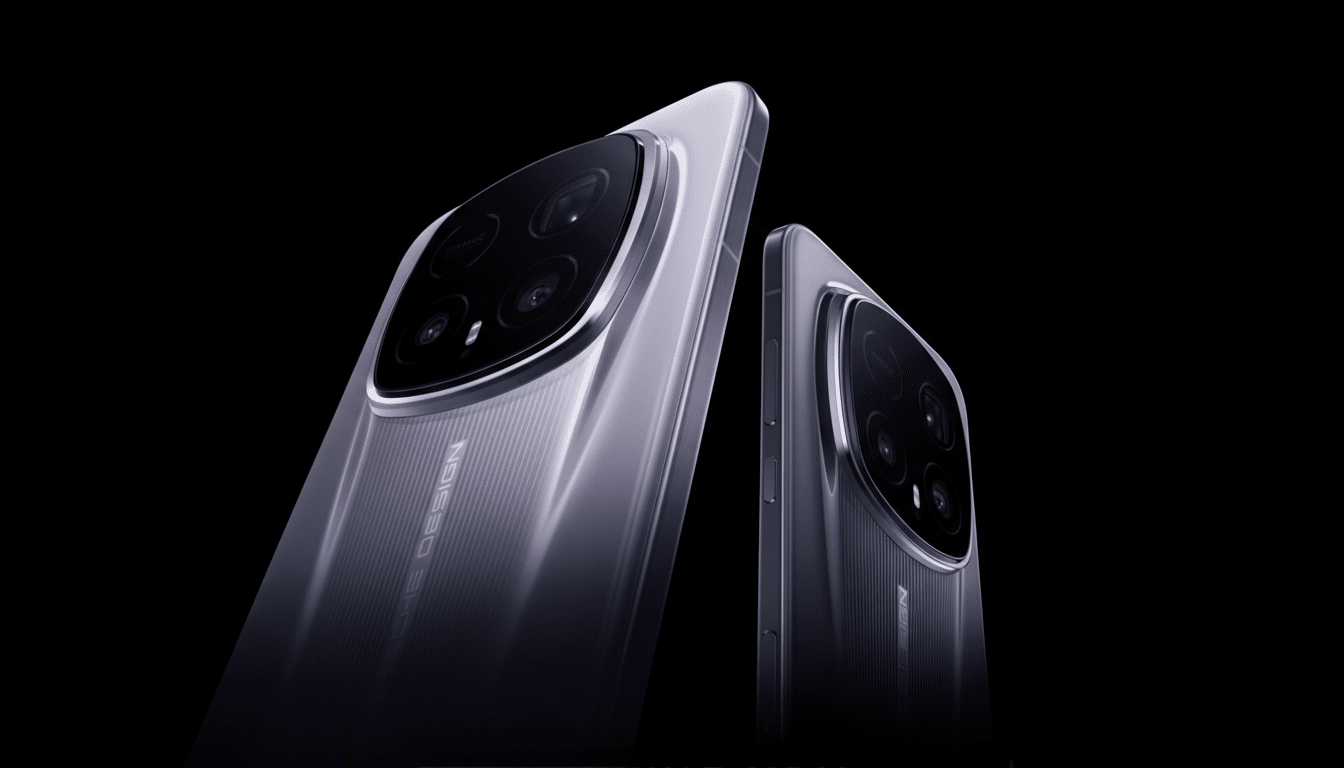
Honor also teased a camera kit that pairs the lens with a grip attachment. Early sample images shared by the brand show a focal range from 200mm up to at least 800mm (~33x), with standout mid-telephoto results and more visible softness at the longest end—consistent with the physics of compact optics and aggressive hybrid processing.
How the 2.35x External Converter Works on Magic 8 RSR
Think of the add-on as a smartphone-style teleconverter. By magnifying the scene optically before it reaches the sensor, the lens increases effective focal length without the resolution loss that comes from cropping. That lets the 200MP telephoto sample more genuine detail at 200mm and above, reducing reliance on digital trickery for mid-to-long zoom shots.
There are trade-offs. Teleconverters typically impose a light transmission penalty, placing more pressure on optical stabilization and computational noise reduction—especially at night. Alignment and calibration also matter: if the mount isn’t secure, micro-shifts can undercut sharpness. The upside is compelling reach for wildlife, motorsport, and stage photography, where even a clean 200mm equivalent can be transformative on a phone.
Vivo and OPPO Set the Stage for External Lenses
Honor follows vivo and OPPO, which reintroduced external smartphone lenses into the mainstream with recent flagships. vivo’s X200 Ultra kicked off the current wave, followed by the X300 Pro and OPPO’s Find X9 Pro, each offering a similar 2.35x converter concept. The common thread: elevate true optical reach while keeping devices pocketable, and let computational photography refine the rest.
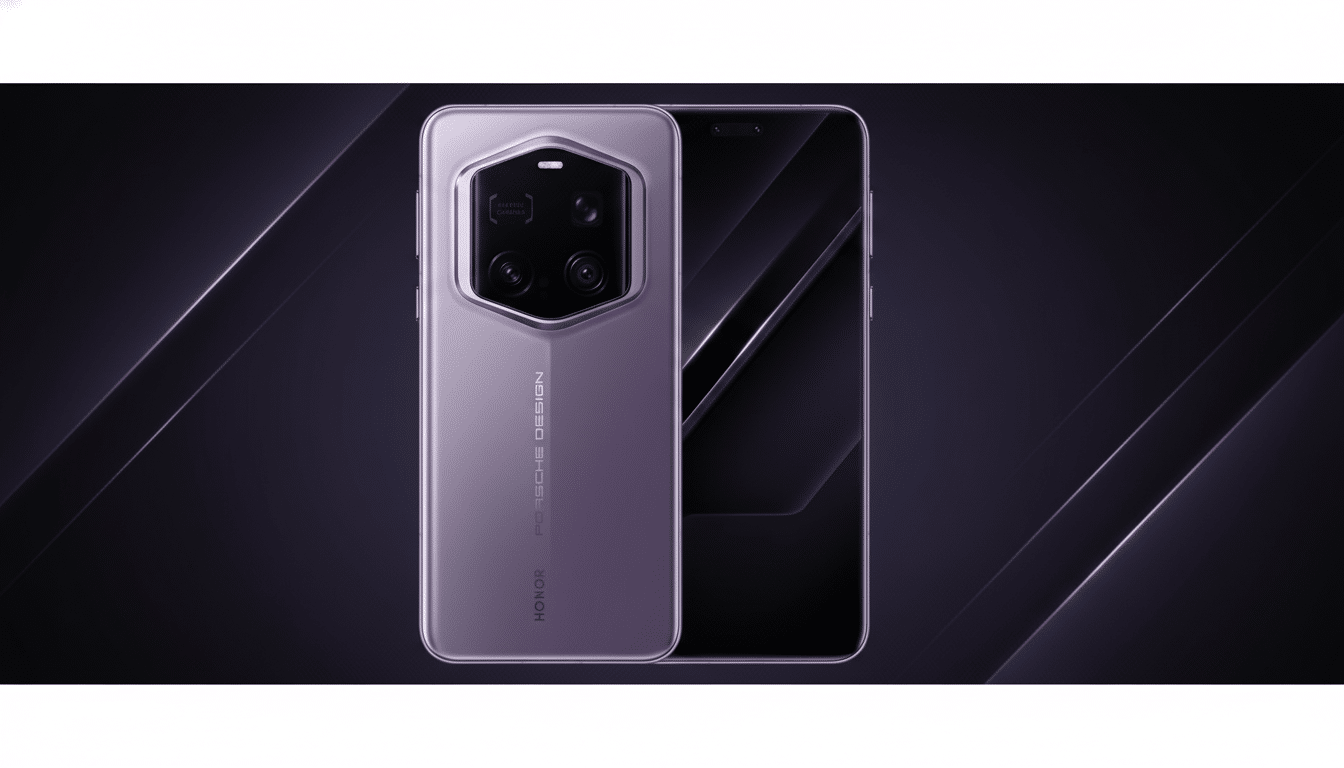
It’s a notable pivot after earlier experiments—remember Sony’s QX “lens-style” cameras or Motorola’s Hasselblad True Zoom Moto Mod—struggled with bulk, price, and limited integration. Today’s approach is subtler: an accessory that magnifies a dedicated telephoto module already tuned for stabilization, autofocus, and modern multi-frame processing. Partnerships with camera brands across the industry, from Leica to Zeiss and Hasselblad, have also primed customers to expect serious optics on phones.
Key Questions for Buyers Considering the Extender
Three factors will determine whether Honor’s extender is more than a novelty. First, usability: how fast is installation, and does the mount work with cases and screen protectors without fuss? Second, performance in low light: teleconverters favor bright conditions, so Night and HDR modes need tight tuning to avoid mushy results. Third, software support: can portrait, Pro, and video modes fully leverage the add-on, including consistent color and autofocus behavior across focal lengths?
Accessory pricing will also matter. High-quality glass isn’t cheap, and previous implementations from rivals landed in premium territory. Still, for creators who regularly shoot field sports, urban architecture, or wildlife, an optical 200mm starting point can justify the cost by lifting detail and contrast where hybrid zoom often falters.
What This Means for Mobile Photography Today
The smartphone camera race has spent years trading sensor sizes, periscope modules, and AI processing. External optics add a new lever: modular reach on demand. Market researchers such as Counterpoint Research have tracked growing adoption of advanced telephoto systems in premium phones; attachable lenses are a logical next step for brands trying to differentiate real-world results, not just spec sheets.
If Honor’s execution is clean—secure mounting, predictable shooting experience, and image quality that holds up through 200mm to 400mm—the Magic 8 RSR Porsche Design could nudge competitors to treat optical accessories as must-have options rather than niche add-ons. And for users, the takeaway is simple: long-lens photography on a phone is no longer an all-digital compromise. With the right glass, it can be truly optical again.