


HomeBoost is rolling out a smartphone-guided home assessment that turns a quick walk-through into a personalized roadmap for lowering utility bills. The app pairs with a mailed kit and translates thermal images, lighting checks, and simple inputs into prioritized fixes, local rebates, and estimated paybacks, aiming to make energy savings faster, cheaper, and easier than a traditional audit.
The pitch is straightforward: give homeowners a clear, evidence-based list of what to do next and what it should save, without waiting weeks for an appointment or enduring a sales-heavy visit. It’s an approach designed to shrink analysis paralysis and convert good intentions into measurable results.
- How the BoostBox Kit Works with the HomeBoost App
- Utility partnerships and pricing for the HomeBoost kit and app
- From home energy audit to action with contractor help
- What the savings could look like for typical households
- Privacy, data accuracy, and the limits of phone scans
- The competitive context for DIY energy assessments today
- The bottom line on HomeBoost’s approach to energy savings
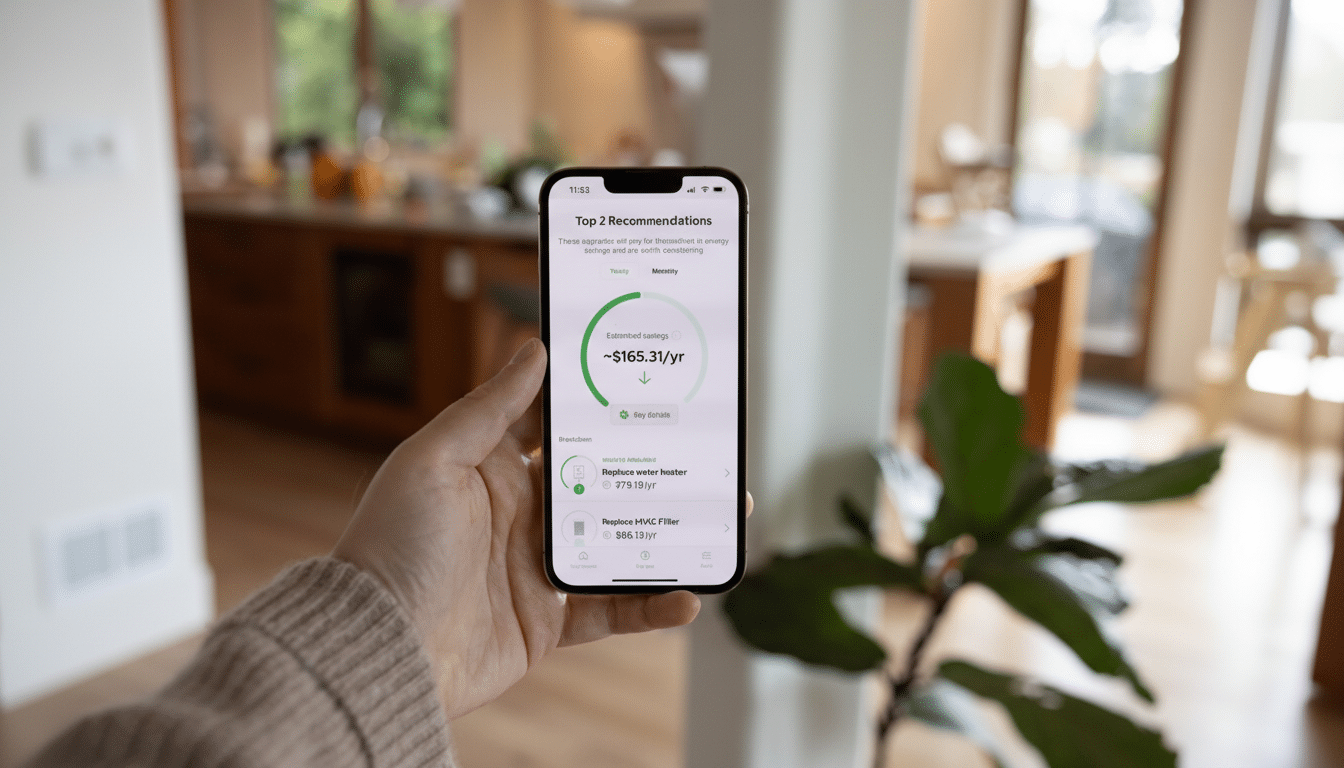
How the BoostBox Kit Works with the HomeBoost App
At the center is the BoostBox, which includes a compact infrared camera that clips to a phone, a small UV flashlight, and access to the HomeBoost app. As you trace baseboards, windows, and attic hatches, the thermal view highlights hot and cold streaks that often betray leaky weatherstripping, missing insulation, or drafty outlets. The UV light helps flag non-LED lamps and tricky fixtures that complicate simple bulb swaps.
After the scan, the software ranks upgrades by impact and payback—think sealing attic bypasses, adding insulation, replacing legacy bulbs with high-efficiency LEDs, or tuning a smart thermostat—then layers in the incentives tied to your address. That includes utility rebates, state programs, and federal tax credits when applicable, so the “what” and the “how to pay for it” arrive in one report.
Utility partnerships and pricing for the HomeBoost kit and app
HomeBoost lists a $99 price for the kit and app—roughly a quarter of what many in-person audits cost, which can range from $300 to $500 depending on scope. Several utilities are subsidizing the experience to push adoption: Central Hudson offers the kit through libraries at no cost to residents, Omaha Public Power District leaves customers with just a $19 out-of-pocket charge, and Avista has signed on with similar support.
The economics make sense for utilities tasked with cutting peak demand and overall consumption. The American Council for an Energy-Efficient Economy has found that efficiency programs frequently return $2 to $4 in benefits for every $1 invested, reducing strain on the grid while lowering customer bills—wins that are hard to replicate with supply-side spending alone.
From home energy audit to action with contractor help
Many home audits stall at the report stage. HomeBoost is testing an in-app handoff to vetted contractors so the highest-impact items actually get done. Because the scan captures photos, equipment tags, and rough dimensions, contractors can pre-qualify jobs and provide tighter bids before a site visit. There’s also a professional mode aimed at energy auditors, compressing the 2–10 hours many spend collecting data and assembling reports so they can serve more homes without sacrificing documentation.
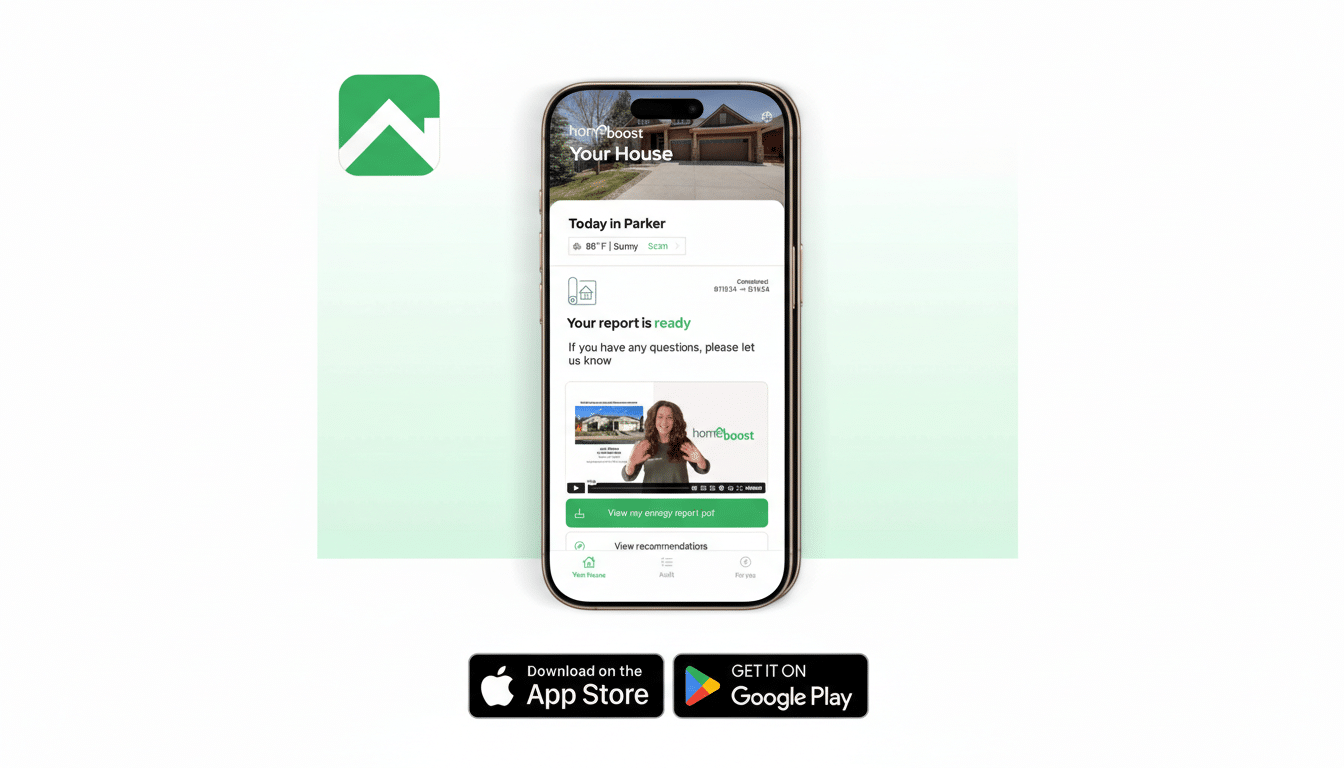
What the savings could look like for typical households
The U.S. Department of Energy estimates that air sealing and proper insulation can trim heating and cooling costs by up to 15%, while LEDs use at least 75% less energy and last far longer than incandescent bulbs, according to ENERGY STAR. Smart thermostat optimization commonly delivers single-digit reductions on heating and cooling loads. Stacking those basics in a typical single-family home can conservatively shave a few hundred dollars per year with 1–3 year paybacks for many measures.
For context, the U.S. Energy Information Administration reports that electricity is one of the largest recurring household expenses, and space conditioning is a dominant driver of usage. Targeting drafts, insulation gaps, and inefficient lighting first is often the fastest route to measurable savings before considering bigger-ticket equipment.
Privacy, data accuracy, and the limits of phone scans
Any app that photographs your home and captures utility details raises understandable questions about data handling. Consumers should look for explicit, opt-in controls for sharing information with utilities or contractors and encryption for stored images and scans; regulators have warned that household energy patterns can reveal sensitive personal behavior. And while thermal imagery is powerful triage, deep retrofits may still require blower-door and duct leakage tests to validate air-sealing targets and right-size HVAC.
The competitive context for DIY energy assessments today
Utilities have long offered free or low-cost energy assessments, but results can vary and visits sometimes skew toward equipment upsells. A guided DIY-plus model gives homeowners more control and speed while still cueing professionals when the job demands it. Programs such as Home Performance with ENERGY STAR define high-quality standards; HomeBoost’s bet is that fast, credible, and incentive-aware guidance will get more households to take the first, highest-value steps.
The bottom line on HomeBoost’s approach to energy savings
As energy costs rise and homes add new electrical loads, the cheapest kilowatt-hour is the one you never use. By turning a phone into a pocket energy auditor and bundling the rebate math, HomeBoost offers a practical on-ramp to lower utility bills and lighter footprints—no sales pitch required, and no waiting for a truck to pull into the driveway.