


Supergiant’s follow-up isn’t just an improvement on a hit; it multiplies it. Hades II is bigger, denser and stretchier than its predecessor — a roguelike sequel that doubles the arenas, the systems and the scope for shaping a run. That scale is thrilling, but it also reveals the costs of going even bigger in a genre built around momentum and surprise.
Double the range, double the systems and scope
The headline change is structural: two separate routes with their own biomes, and bosses — one heading below the Crossroads and one that cuts towards the surface. In play, it’s more akin to two campaigns interlocking; there are unique hazards and event rooms and secrets that prevent runs from blurring together. Variety no longer applies mainly at the skin level; encounter design now relies on zone-specific gimmicks that fundamentally change your calculus.
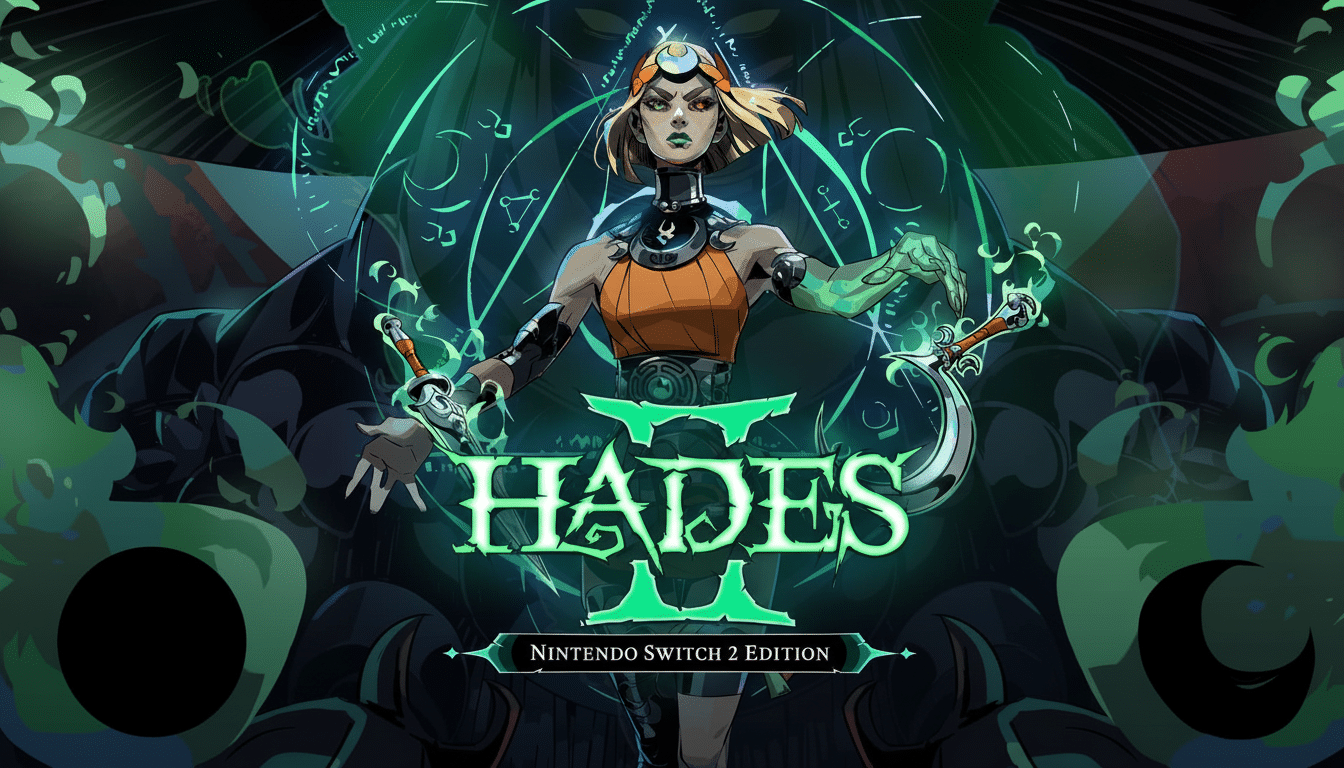
That breadth is accompanied by new strata of advancement. Arcana Cards provide tarot-esque meta buffs you unlock with resources, and the cauldron’s magical incantations gate heftier features behind crafting. And while these new elements are added thoughtfully — opening doors at a pace that matches your progression through the basics — they also extend the “to-do” list between attempts. The upside is longevity. SteamDB recorded peak concurrents well over 100,000 in the game’s early access launch window, and retention tends to be high for such a buildcraft sandbox type of game — something Power highlights as being configurable by nature (and that data workout is mirrored more broadly in Valve’s year-end reports that always find action-roguelites among the platform’s top-played tags).
Melinoë’s sorcery recasts the battle dynamics
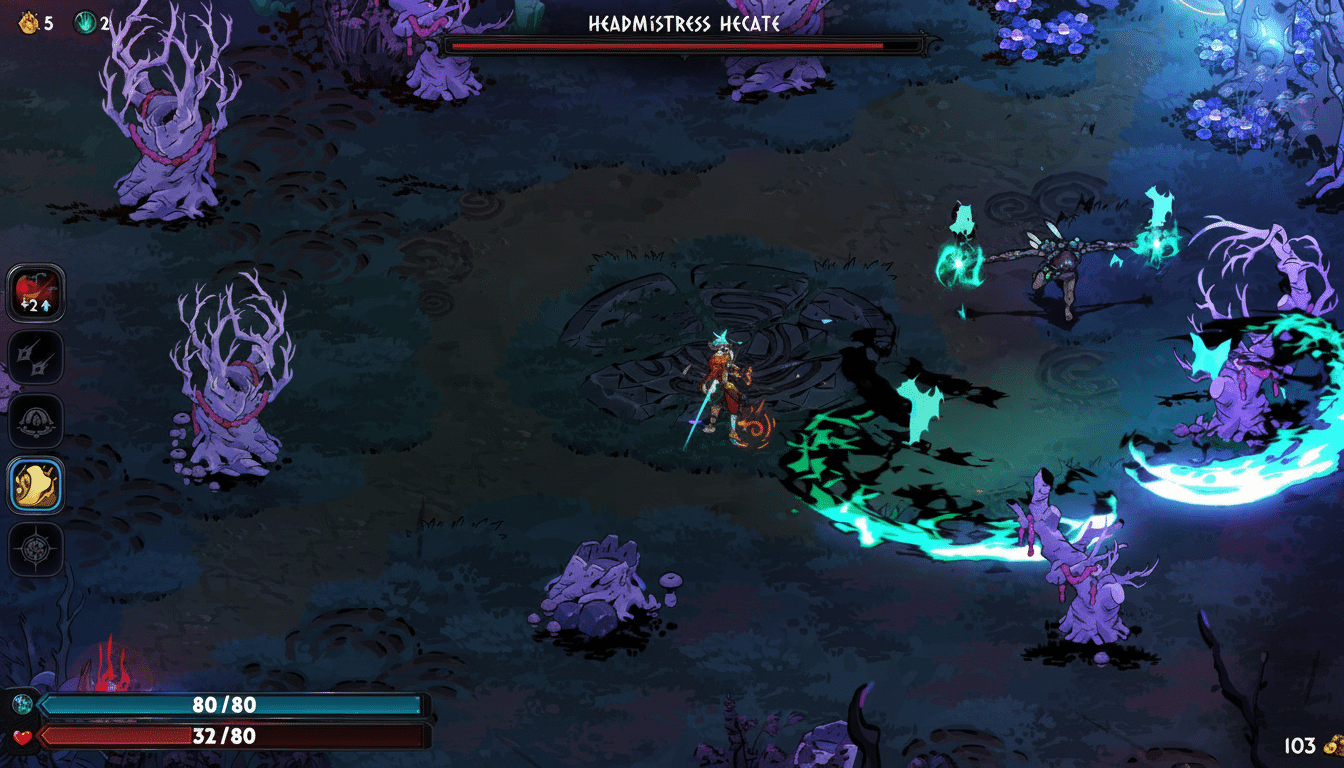
Melinoë is not just Zagreus with a fresh coat of paint. Her kit relies on Magick — a meter to power up souped-up “Omega” versions of core moves — and a default binding circle that snags enemies. The result is more crowd control and more timing nuance. Always, you are contemplating whether to use that Magick for an all-deciding Omega strike, or save it for the next room, where the elite enemies may form ranks and outpace you.
Boons amplify that identity. Gods like Apollo, Hestia and Hera fit neatly into builds that focus on precision burn, projectile manipulation or area denial while lunar blessings bring splashy one-shot hexes that can totally upend a boss phase. The armory ranges from fast-moving blades to heavy-hitting tools to a ranged option that rewards positioning, and each weapon’s Omega interactions draw out distinct rhythms — aggressive weave-ins for melee or judicious spacing if you’re an arcane caster. It’s coherent design that maintains the transparency of Hades’ combat while offering more of a decision space.
Two paths, different pacing across both routes
While the first title was outstanding in 20–30 minute blasts, runs with Hades II often extend far longer, particularly if you’re pursuing specific resources or side objectives. The dual-route layout and richer rooms justify the addition; the slower tempo dampens only that “one more run before bed” compulsion. On the downside, those new mid-run wrinkles — specialist challenge rooms, risk-reward harvests and route forks — lessen homogeneity across a night of play.
There is also a learning curve tax. Resource gating through incantations and Arcana is smart but can sometimes bog down the early hours, demanding you grind out some levels before key unlocks snap into place. It’s not grindy, so much as a slower methodical grind — and eventually when you’ve tuned a few go-to decks and keepsakes, the pace becomes very brisk.
Writing, world, and the inevitable sequel trade-offs
Supergiant’s narrative touch remains sharp. Melinoë’s relationship with mentors like Hecate and foils like Nemesis is textured, its conversations changing in meaningful ways as the story hits new milestones. The studio’s workplace-meets-myth tone still plays; cosmic calamities are greeted with the arched eyebrows of coworkers when the celestial printer gets jammed, and the performances remain top-line, including its returning voice ensemble and a propulsive score from Darren Korb.
But a sequel, no matter how good, has to fight to capture the sense of discovery that marked Bastion then Transistor then Pyre and finally Hades. The first game was a critical success across the industry, winning multiple BAFTA Games Awards and action awards at The Game Awards and passing the million-sold milestone within weeks of 1.0, according to the studio. That success built expectations, and made every reveal an event in early access so you knew more or less these wouldn’t be surprises by the time all the pieces locked into place here.
Better, bigger—sometimes bulkier and more complex
If you measure it purely in terms of systems, encounter variety and buildcraft, Hades II has the edge on its predecessor. The dual lanes, Magick economy and enlarged meta power a fascinating roguelike that will snare you for months. The trade-off is a little added bloat and a somewhat slower early ramp, which can sometimes make the razor-sharp elegance that many adored in the first outing harder to see.
It’s the paradox of doubling down: more game, more mastery, more reasons to return — and a few fewer moments that feel like they’ve never happened to you before.
But when a room clicks and your Omega timing catches the mob with their pants down, while a god-tier boon explodes across the screen — it’s Supergiant inarguably working at the peak of its powers. If the first Hades was a bottle of lightning, Hades II is a new storm system — bigger, messier and indeed more complicated, blowing in on purpose.