


Google just released two new Pixel 10 promos, and boy are they both weird—but in very different ways. One goes all in with facetious snark and soft-serve “vanilla” jabs at iPhone defaultism. The other is a luminous tone poem for the Pixel 10 Pro, all sparks and texture and hints.
Two imaginative tracks, one launch for Pixel 10
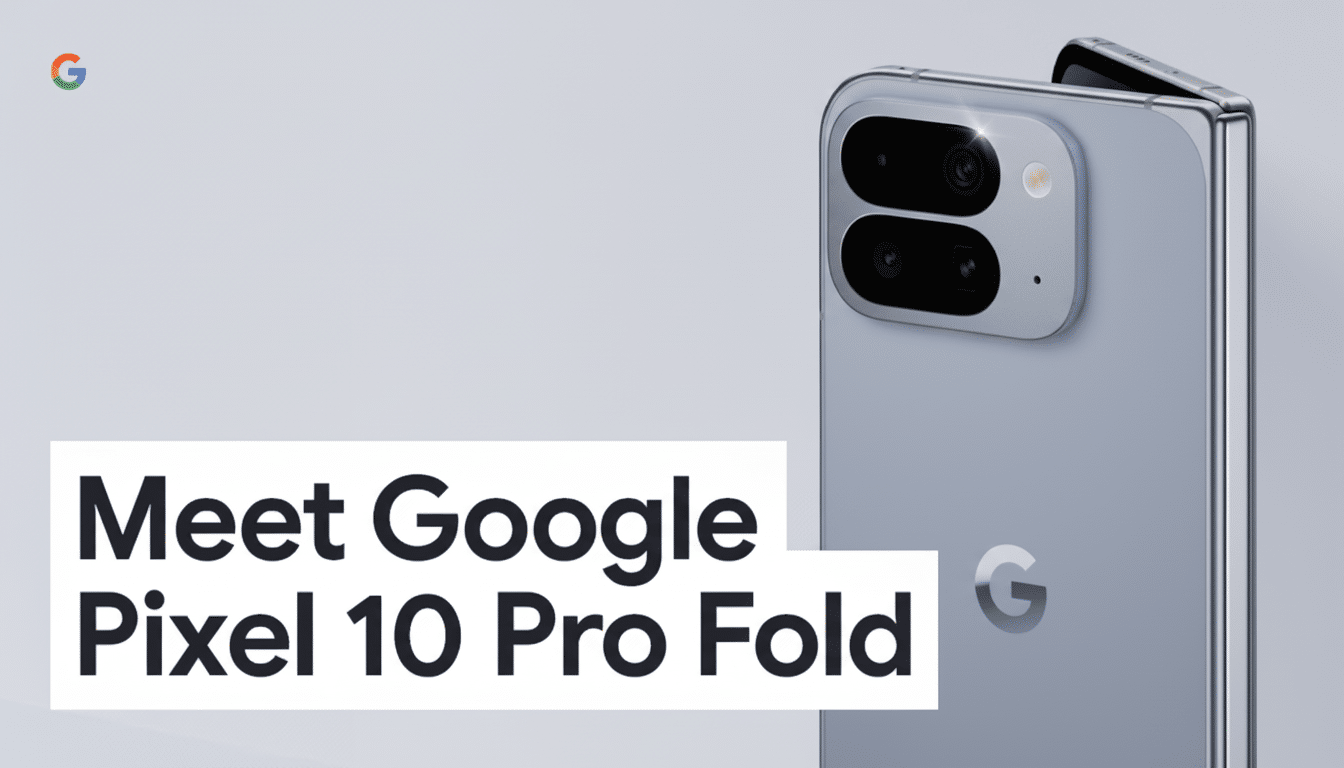
The Pixel 10 Pro spot is the art-house cut. It pauses here on a gleaming metallic frame, flickers over a jade finish and takes just enough of an x‑ray-like overlay. Alternating between unswept path and topiaried garden, the film is pushing you toward notions — craft, development, refinement — rather than checking off features.
- Two imaginative tracks, one launch for Pixel 10
- Why this breakup makes sense for Google’s dual Pixel 10 ads
- The “vanilla” gambit: smart or stupid in Pixel 10 ads?
- What the Pro video says about the hardware
- Will this make a difference for Pixel 10’s launch?
- Bottom line on Google’s two bold Pixel 10 ad plays
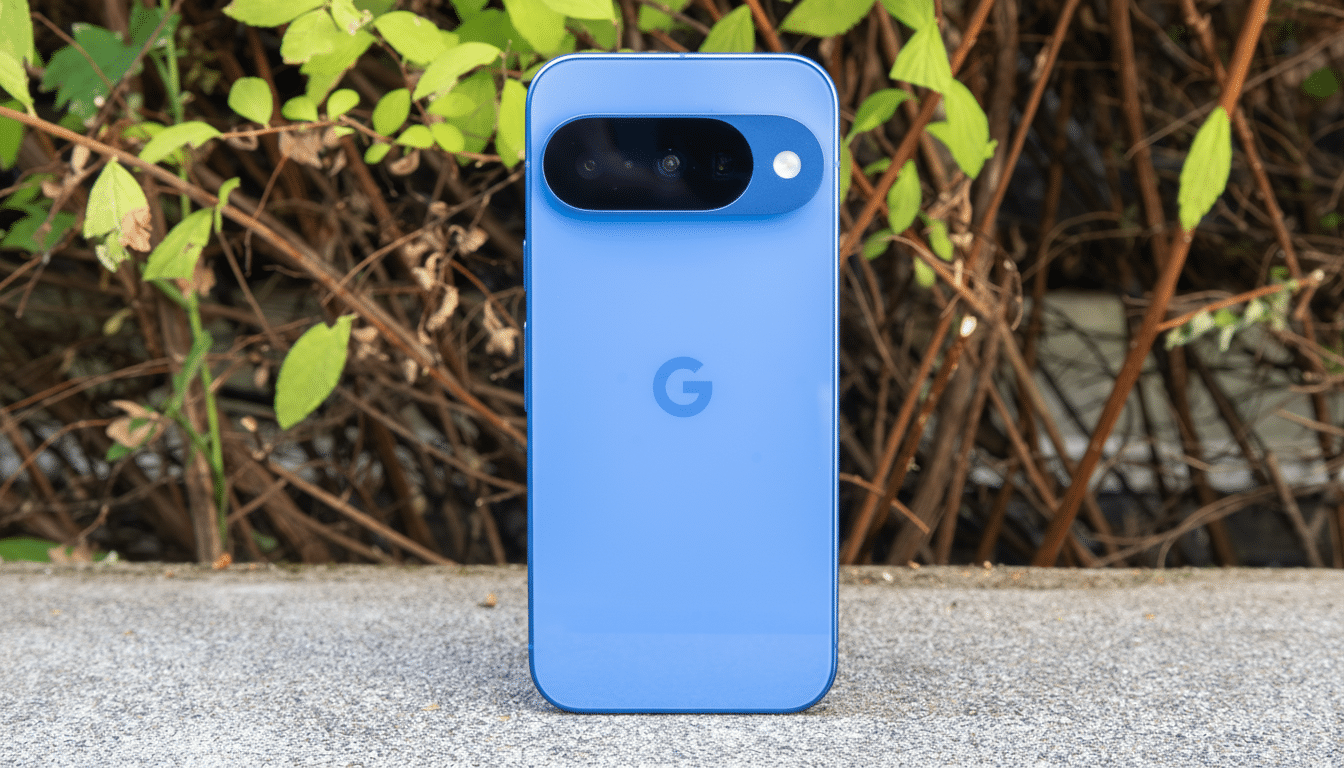
Its counterpart, the standard Pixel 10 ad, is futilely bright and cheeky and absolutely comparative. Soft-serve cones substitute for “the phone everyone buys” while Google continues to present Pixel with Gemini as the intentional choice. It’s more akin to the studio’s recent stop-motion “Best Phones Forever” riffs — strange, self-aware and structured for memeing.
Why this breakup makes sense for Google’s dual Pixel 10 ads
Ad strategy gurus Les Binet and Peter Field (IPA) did much to promote the notion that brands need a balance of long-term emotional brand building and short-term activation. The Pro film is nothing but brand building — an effort to buff up Pixel’s premium halo — whereas the base Pixel clip is activation-heavy, designed to be quickly read and shared.
That contrast reflects what is effective in mobile marketing. Apple’s long-running “Shot on iPhone” established equity through its consistent tone and craft. Google stands by distinction: the camera bar silhouette, playful writing and now a lush, almost fashion-film aesthetic for its top device. Together, the two serve to refresh Pixel’s brand assets — a strategy grounded by Ehrenberg-Bass Institute material on distinctiveness and mental availability.
The “vanilla” gambit: smart or stupid in Pixel 10 ads?
Ribbing iPhone purchasers for evidently “vanilla” tastes is a daredevil joke. Comparative ads might energize fans but they also harden opposition — research summarized by the Journal of Advertising Research has found that negative comparative messages tend to polarize. The upside is talkability: humor tends to increase recall, and that sticky image of a Melting Cone will spread quickly on social feeds.
Crucially, the gag conveys a product point. It makes sameness a flavor instead of an absence and positions Pixel’s AI-forward pitch anchored by Gemini to feel like the intentional choice. It’s a more nuanced play than feature sophistication, even if the wink comes in a tiny bit hotter than some buyers appreciate.
What the Pro video says about the hardware
There is a reason why the Pro piece speaks hardly at all. Premium buyers respond to materials and finish, and the ad spends time on those cues: a shiny frame, mellow green shade and sculpted edges. The implied narrative, from overgrowth to order, could be an idea for a device intended to tame complexity — high-end tech commercials tend to embrace this theme.
It also serves to strengthen the visual code of Pixel. You witness the distinct bar for the camera and, in the absence of a spec sheet, your brain subconsciously fills in “Pixel.” Consistency is equity; that’s why “Relax, it’s iPhone” or Samsung’s foldable silhouettes won instant recognition over time.
Will this make a difference for Pixel 10’s launch?
The mountain is steep. According to analysts at Counterpoint Research, Google’s phone share is in the single digits globally and mid-single digits in the US while Apple has commanded about half of smartphone sales in the US across many quarters. Advertising alone isn’t going to turn that balance over, but distinct, emotionally led work does build salience — particularly when combined with favorable distribution, carrier support and trade-in economics.
And on that score, the dual-track strategy is smart. The Pro ad courts tastemakers and reviewers that influence cool factor. The lighter Pixel 10 immediately drives conversation and short-term interest. Together, they sketch out a brand that is self-aware and serious about design — and will compound those increasingly if they stick together across product cycles.
Bottom line on Google’s two bold Pixel 10 ad plays
Both are designed to be weird. One sells a vibe; the other, an attitude. Whether you love the vanilla joke or roll your eyes, the tactic is consistent: make Pixel inescapable, then make it enviable. If Google keeps the craft high while letting the humor break free, these won’t just be ads — they’ll be memory structures Pixel can cash in on when shoppers eventually upgrade.