


Google closed the year with a powerful subscription push and a landmark revenue haul from YouTube, underscoring how the video giant is evolving beyond its ad-first DNA. Alphabet reported that YouTube generated $60 billion in revenue for the full year, buoyed by a faster-growing subscription base and steady ad gains despite a soft patch against Wall Street expectations.
Subscriptions Become a Second Growth Engine
Alphabet said it now counts 325 million paying users across Google One and YouTube Premium, up from 300 million just a quarter earlier. That rapid delta—an addition of 25 million in three months—highlights how Google’s bundle of storage, security, and ad-free viewing is resonating at scale.

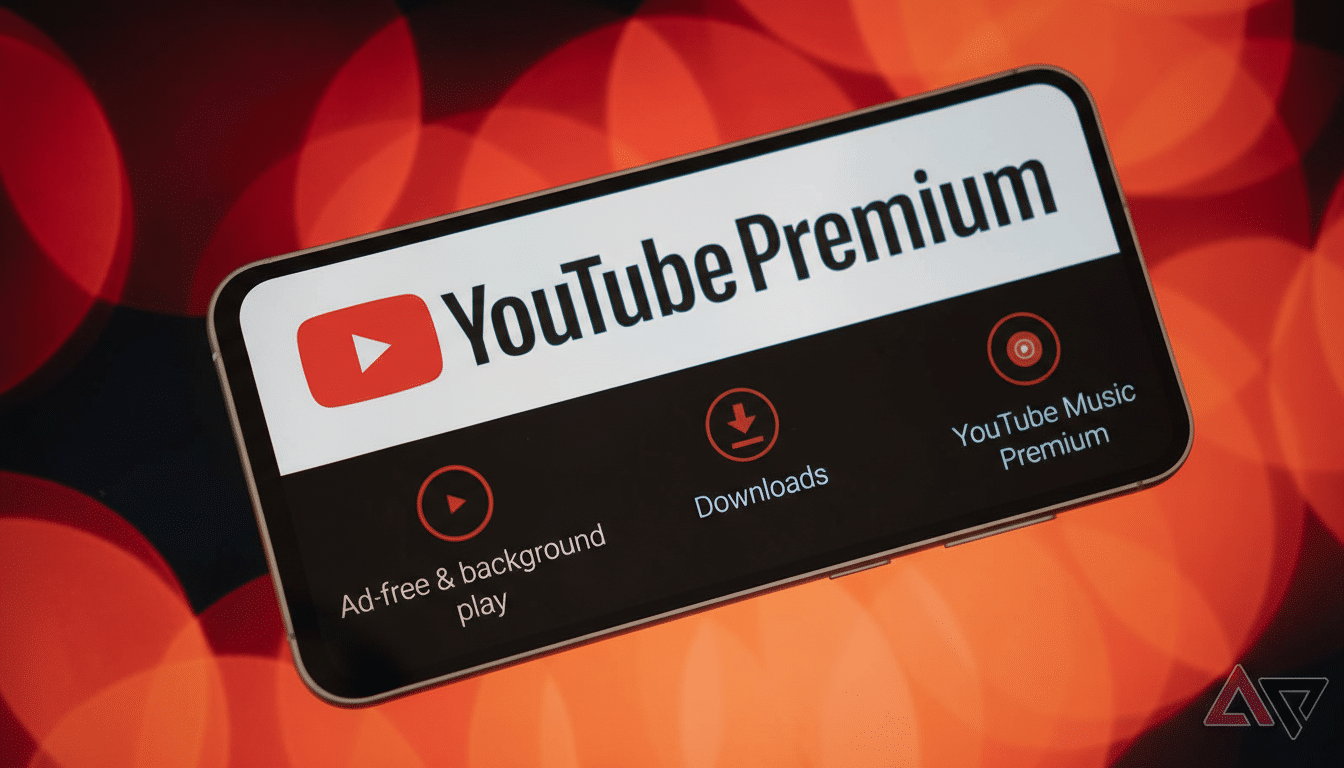
YouTube’s $8 per month ad-free tier is gaining momentum, and executives signaled more investment across the portfolio of paid offerings. The company said that total YouTube revenue, which combines advertising and subscriptions, rose 17% for the year, suggesting subscriptions are smoothing the cyclicality of ads and lifting overall monetization per user.
Strategically, subscriptions give Google a diversified revenue mix tied not just to watch time but to loyalty. Bundling Premium with Google One benefits from cross-sell and retention dynamics familiar to telecoms and cloud platforms—once users bank photos, emails, and device backups in one place, churn tends to fall.
Ad Revenue Rises While the Viewing Mix Shifts
YouTube ad revenue climbed 9% to $11.38 billion in the quarter, though it trailed the $11.84 billion analyst consensus compiled by LSEG. The shortfall points to continued volatility in brand budgets, even as direct-response categories stabilize and connected TV viewing remains a tailwind.
Short-form continues to be a big bet. YouTube Shorts averaged 200 billion daily views during the quarter—flat year over year—but the company said that in some countries, ads on short-form video now produce higher per-hour returns than in-stream ads. That is a notable shift, as it suggests Shorts monetization is catching up to engagement.
The living room is another bright spot. YouTube said viewers watched 700 million hours of podcasts on TVs in October, illustrating how lean-back formats are expanding beyond music and long-form video. Nielsen’s The Gauge has repeatedly shown YouTube as a top streaming destination on U.S. television sets, strengthening its pitch to brand advertisers migrating from linear TV.
YouTube TV Plans Aim for Flexible Bundling
Alphabet CEO Sundar Pichai said the company will roll out new YouTube TV options with more than 10 genre-based packages, promising subscribers more choice and tighter pricing control. The move mirrors broader industry trends toward modular bundles that let viewers mix sports, news, kids, and lifestyle content without a full-fat channel lineup.
For YouTube, genre packs could deepen household penetration and lift average revenue per subscriber by matching content with willingness to pay. It also gives advertisers clearer audience cohorts, an increasingly important advantage as privacy changes make broad targeting harder elsewhere.
AI Tools Fuel Creation and Content Discovery
Google said more than 1 million channels are using YouTube’s AI creation features, illustrating how generative tools are moving from novelty to workflow. The company also noted that 20 million consumers tried its Gemini-powered content discovery in December, a signal that recommendations and search are being actively retooled for short-form, podcasts, and TV screens.
The AI layer matters financially: faster production cycles and better discovery tend to raise the supply of monetizable content and improve watch-time allocation. That, in turn, boosts both subscription value—ad-free viewing across more formats—and ad yield through more relevant matches between videos and viewers.
What $60B Says About YouTube’s Trajectory
The $60 billion milestone puts YouTube in rarefied territory among global media platforms and cements its hybrid model of ads plus subscriptions. While competition from TikTok on mobile attention and from premium streamers in the living room remains intense, YouTube’s scale, creator ecosystem, and growing base of paying users form a defensible flywheel.
Risks persist—macroeconomic softness could weigh on brand spend, and rights costs for live sports and premium content will keep rising. Even so, the quarter shows a clear direction: a larger share of YouTube’s growth is coming from predictable, recurring revenue while the ad business adapts to new formats. That balance, more than any single-quarter beat or miss, is what makes the platform’s momentum durable.