


Google’s Year in Search 2025 is out and the top “trending” queries are not your standard evergreen fare. The company’s recap emphasizes terms that saw sustained spikes in interest versus the prior year — not just the largest overall volume. The difference is why names and themes like Charlie Kirk, K-pop Demon Hunters, DeepSeek, and even the unreleased iPhone 17 will climb the list when long-established mainstays settle for a lesser place.
How Google Thinks About Trending Searches
Google’s approach privileges speed and longevity of attention. The Trends team looks for search terms that had a significant spike over a sustained period in 2018 as compared to 2017, parses out queries that are navigational, and filters out workaday searches, then categorizes the results into themed lists of news items, newsmakers, actors (film),… This approach yields a very different picture than a simple leaderboard of most-searched terms, rewarding cultural moments and unexpected breakthroughs more than perennial questions about utility.
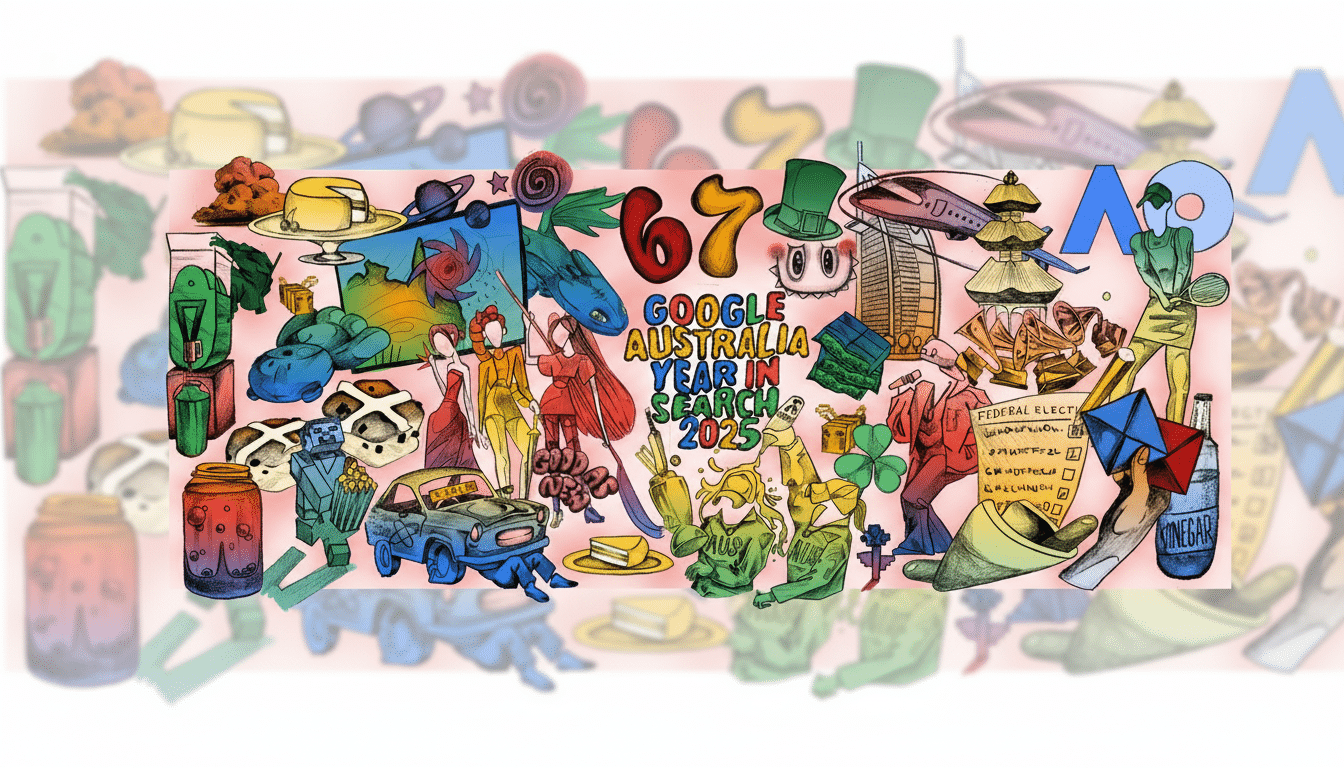
It’s a glance at what shifted — not just what carried. For media analysts and marketers, that nuance is significant: it underscores the stories and products that seized public imagination (usually for short, swirling bursts) rather than the maternal constellations of daily life that are less likely to depart from the top 10.
U.S. Standouts Unveil a New Blend of Politics, AI, and Pop
On the U.S. list, the scale is striking. Charlie Kirk’s fast rise is a reminder of how political commentary can rocket up search when conflagrations or viral clips spread across social platforms. K-pop Demon Hunters illustrates the gravitational force of fandom-based entertainment that reaches outside a core audience. DeepSeek’s ascent is an indicator that interest in the latest AI models is no longer limited to industry insiders; curiosity about their abilities, benchmarks, and real-world use cases has seeped into mainstream search behavior.
Perhaps the most attention-raising entry: iPhone 17. The device is not only a future product; however, sustained rumor cycles, supply-chain leaks, and early analyst notes were sufficient to lift it into the national conversation. On the gaming side, the appearance of Battlefield 6 among the most buzzed-about titles illustrates how a reboot of a franchise and an engine refresh can drive repeat spikes around teasers, test builds, and influencer previews.
Cricket and Gemini Are Leading the Way for Global Trends
Worldwide, cricket demonstrates its search superpower once more. Big matches, close finishes, and cross-border fandoms lead to massive swings in attention all across India, Pakistan, Australia, the U.K., and beyond. When a rivalry escalates or a final produces drama, the net effect on search interest is instant and huge, decisively trumping many entertainment releases.
Google’s own AI, Gemini, is also the number one global conversation. That prominence likely captures the maturation of a headline launch, integration across products and services, and competitive comparisons against other top-end models. The iPhone 17 is still on the global list in particular, which would seem to indicate that phone speculation culture in 2019 has moved from a U.S.-centric techno-elite niche into a worldwide pastime.
Why This Recap Is Important for SEO and Strategy
Year in Search is more than trivia; it’s a playbook for intent. Trending data sets reveal where hordes of readers fleetingly flock in huge numbers — and what causes them to do so. Publishers who map content out according to such pulses — assuming they’re not chasing down every bit of ephemeral rumor along the way — can construct coverage that is ready at the right time, rather than retroactive. For brands, the lesson is to respond to curiosity with useful, checkable information as soon as a topic starts trending in public consciousness.
For me, this is particularly important as AI-generated summaries and briefs are becoming more prominent in results. Clear, source-backed explainers, first-party data, and strong topical authority continue to carve the safest route to visibility. Advice from Google on useful content, E‑E‑A‑T guides, and organized data continues to pay dividends to sites that show expertise and clarity when the spotlight focuses in.
Reading the Signals Behind the Spikes in Search Interest
Two takeaways are worth noting this year.
- First, AI interest is widening. Questions about models such as Gemini and DeepSeek reveal that questions of capabilities — Can it write code? How accurate is it? — are now mainstream.
- Second, mass entertainment and sport do still serve as global synchronizing events. Cricket’s dominance only confirms how a single game can capture the world’s attention for hours, even as film and game franchises give rise to multi-peak cycles driven by trailers, delays, and launch reviews.
Context is helpful when trying to make sense of these lists. StatCounter estimates that Google controls something like a 91% share of the global search market, so these trends are an unusually wide-ranging proxy for public interest. Meanwhile, surveys show that even more people are turning to search more often to check up on what’s in their social feeds, which might magnify sharp spikes when a clip or claim goes viral.
Methodology and Caveats to Keep in Mind
Google’s recap looks at growth in interest, not absolute volume, and omits certain sensitive categories like porn, but de-duplicates closely related queries. Categories are tweaked and levels of perennial questions filtered so that what really bubbled up is revealed. In short, Year in Search is a sampling of inflection points — the times and places when a name or game or idea passed from one river to another — and this year’s blend of politics, A.I., cricket, and device speculation makes that transition process feel pretty clear.