


Google is rolling out a second December software update for Pixel phones a few weeks after the regular monthly patch and the December Feature Drop. The over-the-air download is small and seems to be a specific hotfix. Initial user reports are pointing to an availability for recent phones, with the Pixel 8, Pixel 9 and Pixel 10 families listed as compatible (though no official change notes have been published).
Two updates in one month is not common for Pixel devices, and this is even rarer after a major quarterly platform release. When it occurs, it often indicates a critical fix found post general availability. The small file size serves to remind that this is not a feature pack we’re talking about, but a surgical procedure targeted at one or more organs.
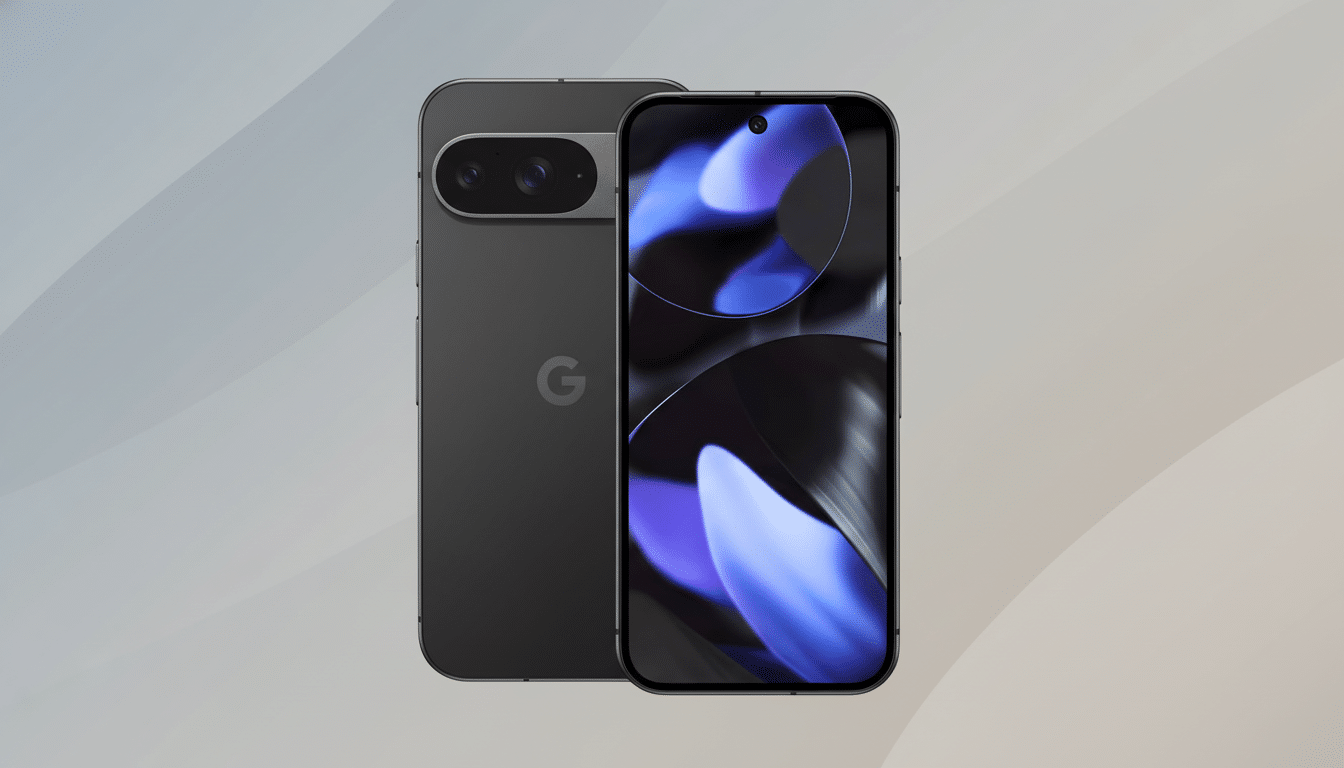
A Second Patch Is Rare, But Indicates It’s A Hotfix
Google usually rolls out OTAs in phases, and a small delta such as this is likely to be focused on internals (like modem firmware, media codecs, or system services) without affecting user-facing features. In previous ones we’ve fixed network stuff, Bluetooth quirks, fingerprint sensor crashiness, and — more recently — a series of crashes in a single third-party app. That had the salutary precedent of when Google swiftly addressed connectivity problems with Pixel 6 devices and modified its rollout to have better radio stability across carriers.
From a security perspective, Android’s monthly bulletins often include more than 40 CVEs per December release, according to the Android Security Bulletin. A smaller, follow-up patch like this does not typically change CVE counts — instead, it smooths over device- or build-specific behavior that only manifested after the larger December update was pushed to the public.
Which Pixel Models Are Affected by the December Hotfix
Reports coming in from user communities indicate the OTA is already being seen on Pixel 8, Pixel 9, as well as Pixel 10 models and any older supported devices (Pixel 6 and Pixel 7 lines). Carrier variants may be a touch slower as certification wraps up, and regional builds can have different identifiers even when carrying the same fix.
The update is available through Settings > System > System update. It won’t appear for everyone right away; Google uses a staged rollout, so it can take a few days for availability to hit all compatible devices. You shouldn’t have to sideload manually unless you want to for some reason, or if the ADB stuff doesn’t faze you. OTA notification has already been pushed out to most users.
What This December Pixel Hotfix Might Be Fixing
After major quarterly platform releases and Feature Drops, the bread-and-butter regressions are expected to be glitches while transitioning from one connection point in 5G mode, some infrequent yet aggressive battery drain due to a service acting up, wonky camera meltdowns while taking certain shots, or audio bugs post-Bluetooth codec change. A very tiny patch is often indicative of a single module update — say, modem firmware adjustment, or even just tweaking the framework to prevent a background process ramping up CPU.

Historically, rapid Pixel hotfixes have landed when carrier call drops are high, or when emergency calls to 911 act flaky after a major platform update.
Community forums such as r/GooglePixel and Google’s own public issue tracker usually cough up early hints; support pages from carrier partners on major carriers often also confirm fixes once certification is in place.
How to Prepare Your Pixel and Install the Update Safely
Back up your device before you install, make sure it has at least 50 percent battery and is connected to a Wi-Fi network. Try not to push the OTA by clearing Google Services Framework — this can cause sync issues without actually speeding up delivery. After updating, allow the system a couple of hours to reoptimize apps and see if battery life and connectivity settle as intended.
For customers with their own fleets of Pixel devices, these are the best practices to follow when ringed deployment is complete and they want to validate further:
- Test the update in a small pilot group.
- Monitor telemetry (e.g., crash-free sessions, radio performance, battery KPIs).
- Expand rollout.
Your guide is still the Android Enterprise Recommended baseline for doing this.
Official Details and Full Changelog Are Still Pending
So far, Google’s public firmware and factory image directories still indicate a December shipment for the software, and it remains unclear when or if the manufacturer will release a formal changelog to describe it. It will drop build notes and carrier acknowledgements as distribution expands. The best course of action for most users is to install the update right away — hotfixes usually address problems that have a significant impact on stability or reliability.