


Google is getting ready to turn Pixel’s beloved Now Playing feature into a standalone app available through the Play Store, but early signals suggest it will remain a Pixel-only perk. Evidence tucked into a fresh Android System Intelligence build points to a dedicated package with its own settings, history, and interface — a notable shift from the low-key integration that has existed since the original Pixel 2.
What Is Actually Changing With the Now Playing App
Now Playing currently lives inside Android System Intelligence alongside tools like Live Caption and Smart Text Selection. In version B.21, strings referencing “Download the new Now Playing app” and a redirection flow to the Play Store indicate Google is carving the feature out into a self-contained application with the package name com.google.android.apps.pixel.nowplaying.
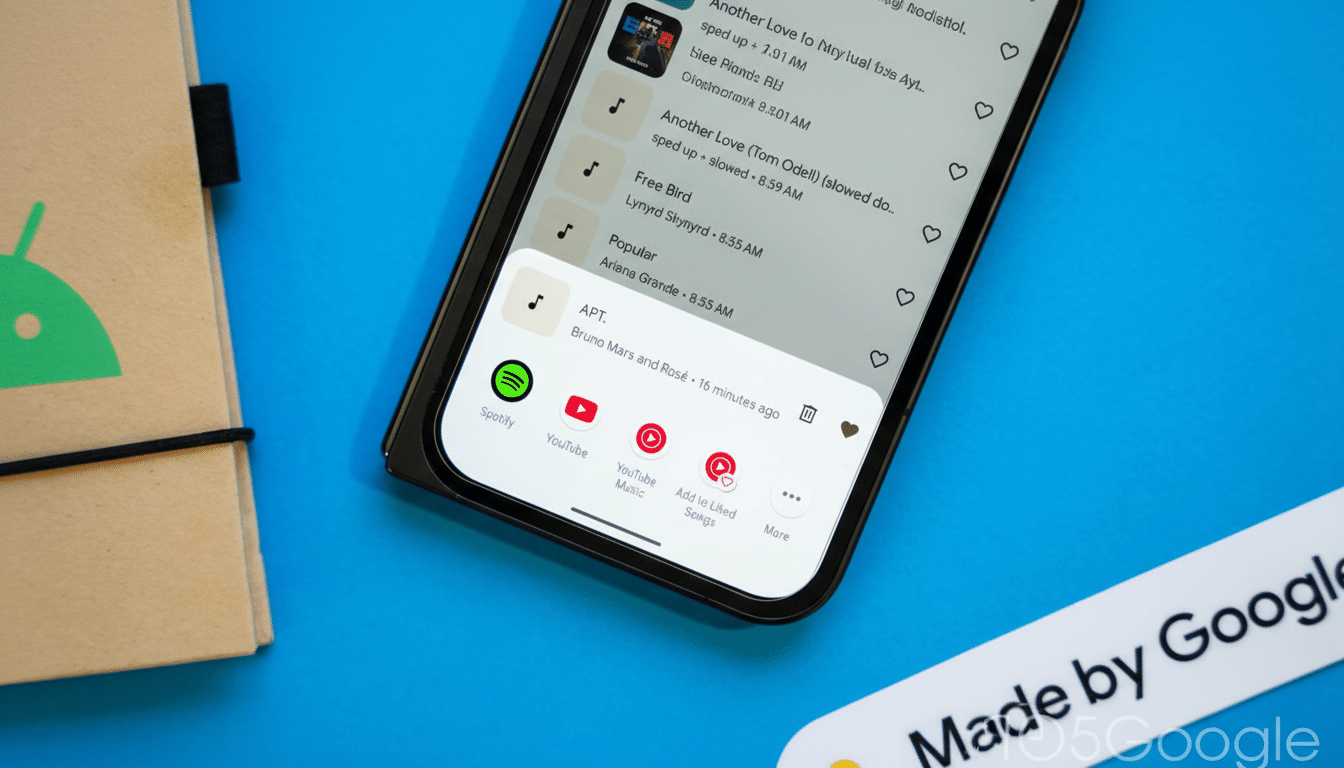
This isn’t just a launcher shortcut. The language points to a “new home” where users can manage settings, browse song history and favorites, and likely interact with the feature more directly. Pixel builds have reportedly shipped with a stub for this app since last year, a sign the project has been in parallel development and is nearing prime time.
Importantly, developer previews and Canary builds suggest installation will be gated by device checks rather than broadly accessible to any Android phone. That mirrors Google’s approach to other Pixel-first experiences, such as Recorder, Personal Safety, and Pixel Camera.
Why Break It Out Now as a Standalone Pixel App
Decoupling core features into Play Store apps lets Google ship updates quickly, without waiting on full OS releases. The company followed this playbook with its Pixel Weather experience, which gained faster design tweaks and feature rollouts once it stood alone. A standalone Now Playing app could get frequent recognition improvements, smarter filtering, and deeper customization, all updated on Google’s cadence.
There’s also a product clarity angle. Now Playing has grown from a neat background trick into a daily utility for many Pixel owners, logging ambient tracks and surfacing them on the lock screen and At a Glance widget. Giving it a front door makes sense, especially if Google wants to add richer activity views, better export tools, or account-based backups for history and favorites.
The Case For Keeping Now Playing a Pixel Exclusive
While a Play Store listing often hints at wider availability, several practical reasons support keeping Now Playing tied to Pixels for now. The feature relies on on-device audio fingerprints, low-power detection, and machine learning models carefully tuned for Pixel’s hardware pipeline, including its always-on processors and Google’s private compute frameworks. Expanding that stack to the wider Android ecosystem would require extensive certification and could dilute Now Playing’s signature reliability and battery efficiency.
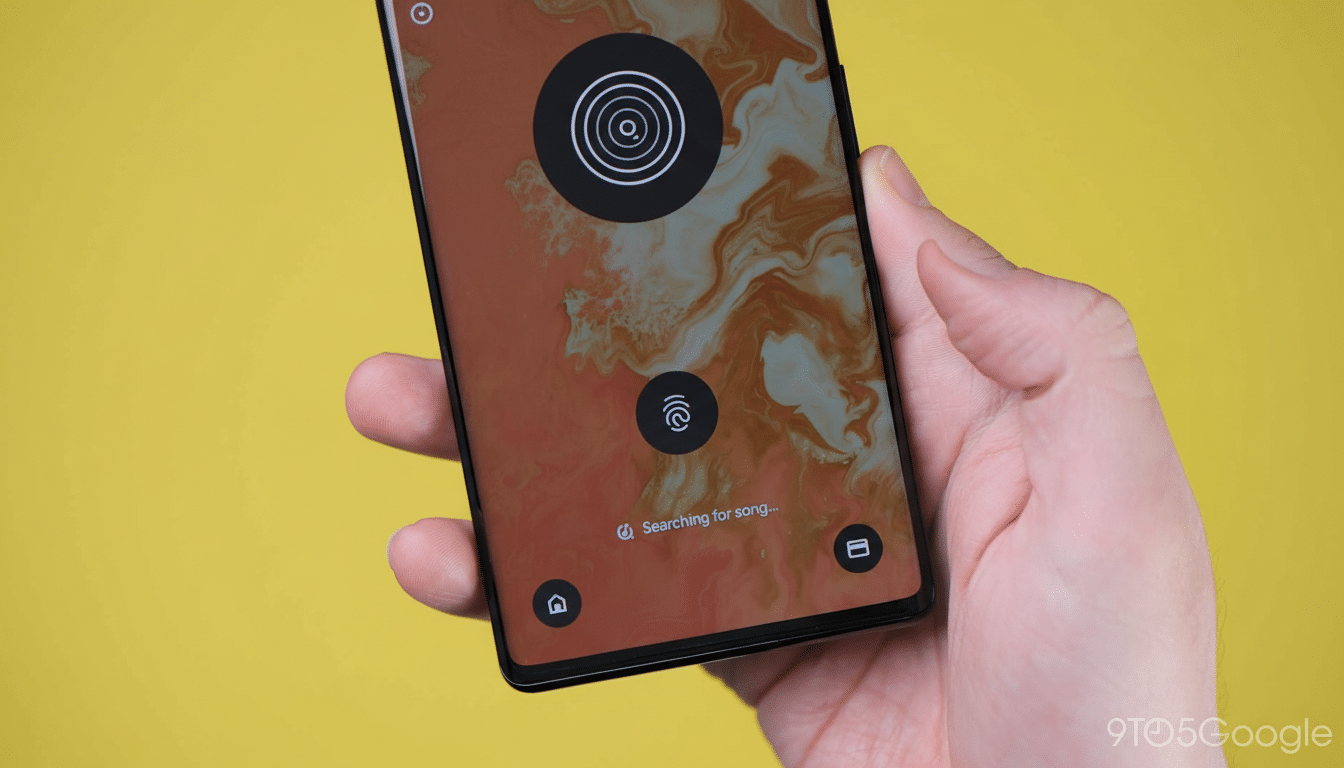
Licensing and curation also matter. Now Playing’s local database — periodically updated without sending raw audio to the cloud — is central to its privacy story. Google has emphasized on-device matching in past technical notes, contrasting it with manual song search that can query servers. Maintaining that balance at scale across diverse devices adds complexity that a Pixel-first strategy avoids.
How It Stacks Up To Shazam And Other Music Finders
Unlike Shazam or SoundHound, which center on active lookups, Now Playing is ambient by design. It identifies music passively and offline, then quietly builds a timeline you can revisit later — a different job to be done than tapping a big “listen” button. Apple’s Shazam integration in Control Center offers speed and depth of catalog, but it still depends on a user trigger and a cloud check. Pixel’s approach trades some breadth for instant, private, and battery-thrifty recognition.
That distinction explains the cult following in Pixel communities: commuters discover new artists from café playlists, runners reconstruct routes from the soundtrack their phones captured, and travelers log local hits without roaming data. Turning those behaviors into a fully fledged app opens doors for smarter recommendations, filters for venues or time of day, and easier sharing — if Google chooses to go there.
What To Watch Next For The Now Playing Pixel App
Expect the Play Store listing to appear first for recent Pixels, potentially alongside a Feature Drop. Signs to watch include refreshed settings screens, a redesigned history view, tighter At a Glance controls, and clearer privacy toggles for ambient recognition. If Google broadens support, it may start with newer Tensor-powered models where the company controls the full stack.
For now, the message is clear: Now Playing is graduating from a background utility to an app with its own roadmap, but it remains part of the Pixel identity. Code sleuths at outlets like 9to5Google and independent Android researchers have set the stage; the next move is Google’s — and it likely arrives in an update you won’t have to wait long to see.