


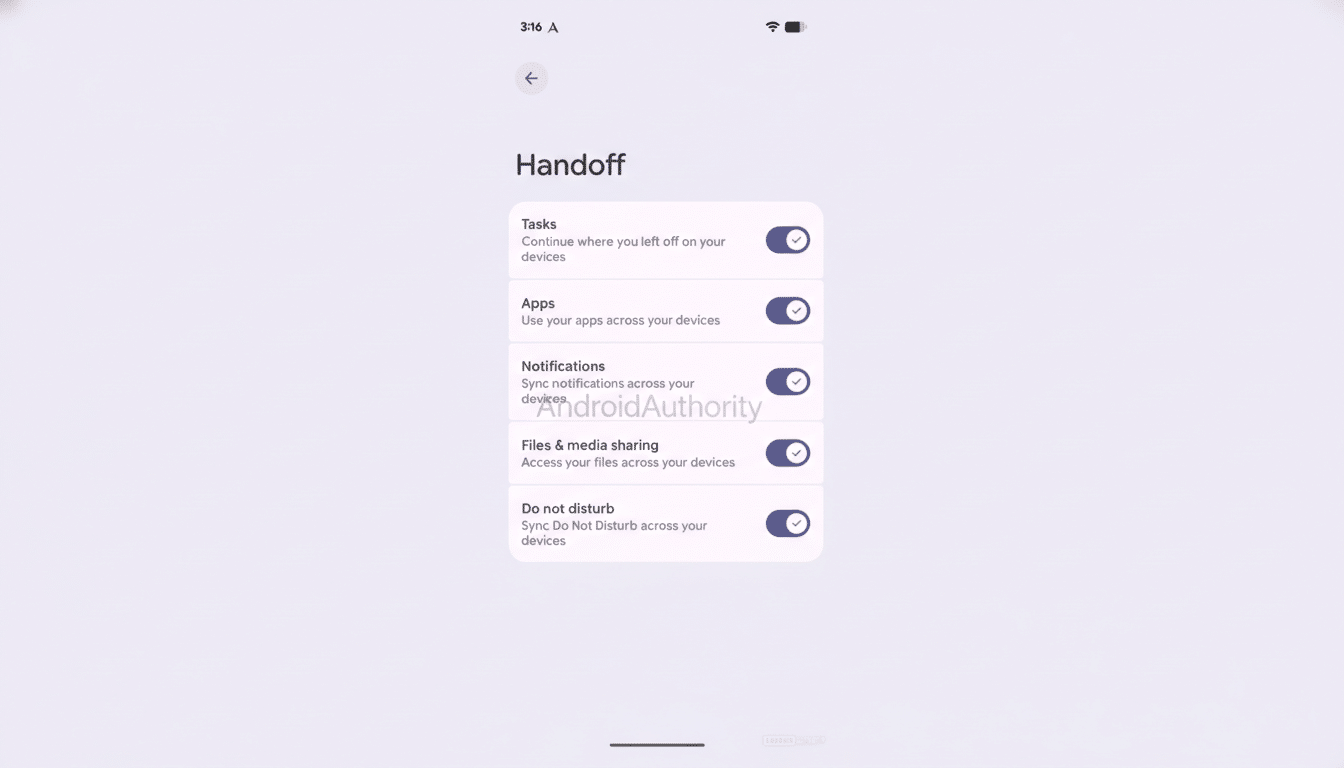
Google is preparing a cross-device Do Not Disturb sync for Android, a long-requested feature that would mirror your DND status across phones, tablets, and potentially more. Evidence in the latest Google Play Services build suggests a unified switch living inside Android’s cross-device services, pointing to a rollout that won’t require a full OS update.
For a platform with more than 3B active devices, as Google has reported, a consistent DND state could quietly remove one of the most common cross-device annoyances: silencing one screen only to have another buzz mid-meeting.
What The New Cross-Device DND Sync Does On Android
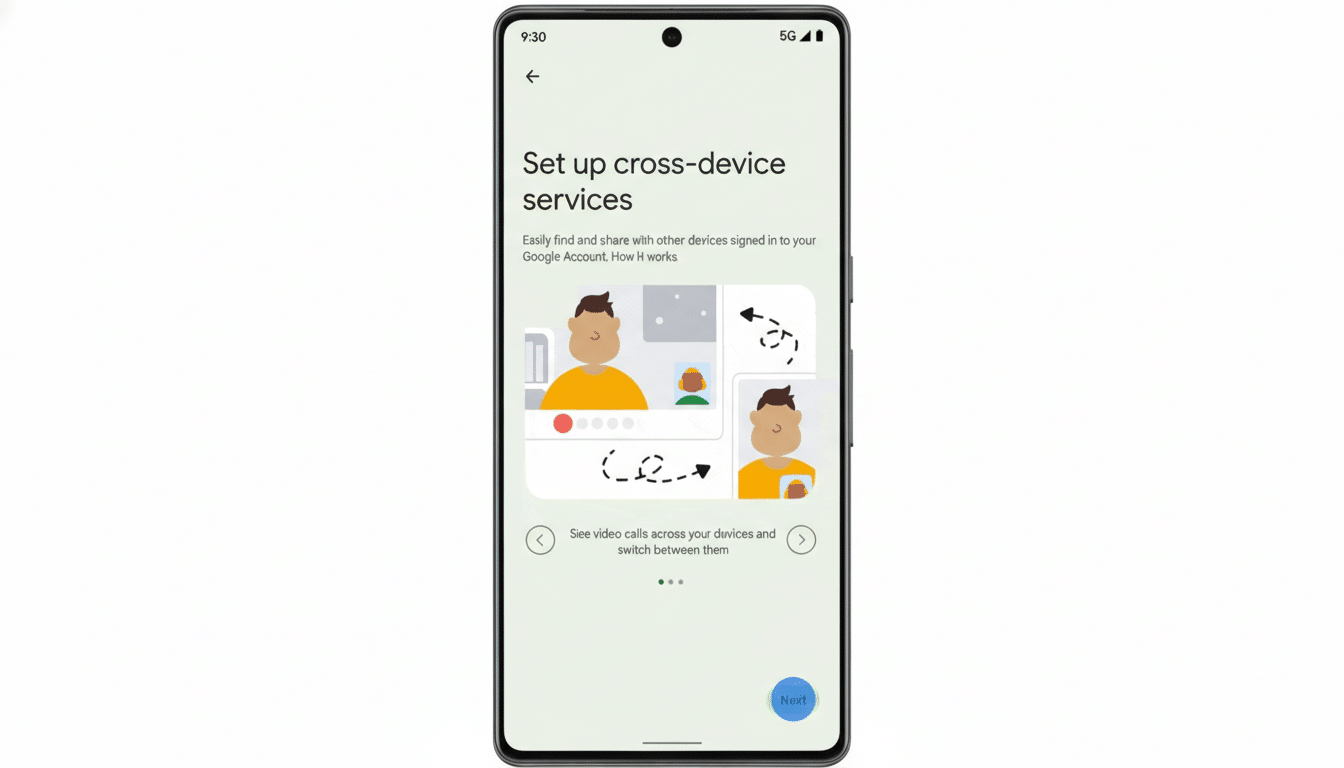
Code strings in Google Play Services version 26.02.31 reference a new setting that will “sync Do Not Disturb across your devices.” Rather than living inside the standard sound or notification settings, the toggle appears bound for the cross-device services area that already powers Call Casting and Internet Sharing.
In practice, turning on DND on one signed-in Android device should automatically enable it on others tied to the same account. Picture starting DND on your tablet before a presentation and watching your phone quietly follow suit—no extra taps, no lingering pings.
How Google May Roll Out Do Not Disturb Sync On Android
Because the feature is wired through Google Play Services, it can likely reach a wide swath of devices without an OS upgrade, similar to how Call Casting and Internet Sharing arrived. That approach has become a hallmark of Google’s platform work: push foundational capabilities via Play Services so most modern devices can benefit quickly.
Google has already dabbled in DND mirroring on Wear OS. Pixel Watch users, for example, can mirror DND with a paired Pixel phone, but it requires enabling the option in the watch app and works on a single phone–watch pair. The new implementation looks broader and more automatic, with a single, system-level control intended for multiple Android devices. Given Android’s growing synergy with Chromebooks through Phone Hub, it’s plausible DND sync could extend there too, though Google has not confirmed scope or timing.
Why Synced Do Not Disturb Matters For Users And Teams
Apple has offered synced Focus modes across iPhone, iPad, Mac, and Apple Watch for years. Bringing Android closer to that parity reduces friction for people who split their time between devices—now a mainstream behavior across work and home. StatCounter estimates Android holds roughly 70% of the global mobile OS market, so even small quality-of-life improvements scale to massive effect.
For professionals, synchronized DND is more than convenience. It reduces the cognitive cost of context switching and helps protect focus time across endpoints. In education and enterprise, where Android Enterprise policies already control notifications, a consistent DND state can complement policy-based quiet hours and minimize accidental disruptions in classrooms, conference rooms, and healthcare environments.
Privacy And Controls For Cross-Device DND On Android
Although Google hasn’t detailed implementation, cross-device services typically rely on account authentication and proximity frameworks with explicit user consent. DND status is a binary state, not message content, but users should expect clear controls: a master toggle, visibility into which devices are included, and per-device opt-outs. The ideal design keeps the feature optional and transparent, with prompts that explain what is being synced and why.
IT administrators will watch closely for management hooks. If surfaced through standard settings and policies, organizations could align DND sync with working hours or meeting rules, preserving user autonomy while encouraging consistent quiet time.
More Cross-Device Upgrades On Deck For Android Users
The same cross-device hub is expanding beyond DND. Code references also point to Universal Clipboard, a feature that would let users copy on one Android device and paste on another. Developers have long tracked this as a candidate for the Android 17 window, reflecting Google’s broader push to make tasks flow seamlessly between screens.
Google is also progressing on task handoff, the ability to continue an activity across devices—a natural complement to Call Casting for video calls and Internet Sharing for connectivity. Together, these moves signal a tighter, ecosystem-level strategy that responds to the continuity benchmarks set by Apple and to similar experiences within Samsung’s ecosystem.
Bottom line: cross-device Do Not Disturb sync is a small switch with outsized impact. When it arrives, Android’s everyday experience should feel calmer and more coordinated—exactly the kind of polish users notice the moment their other device stays blissfully silent.