


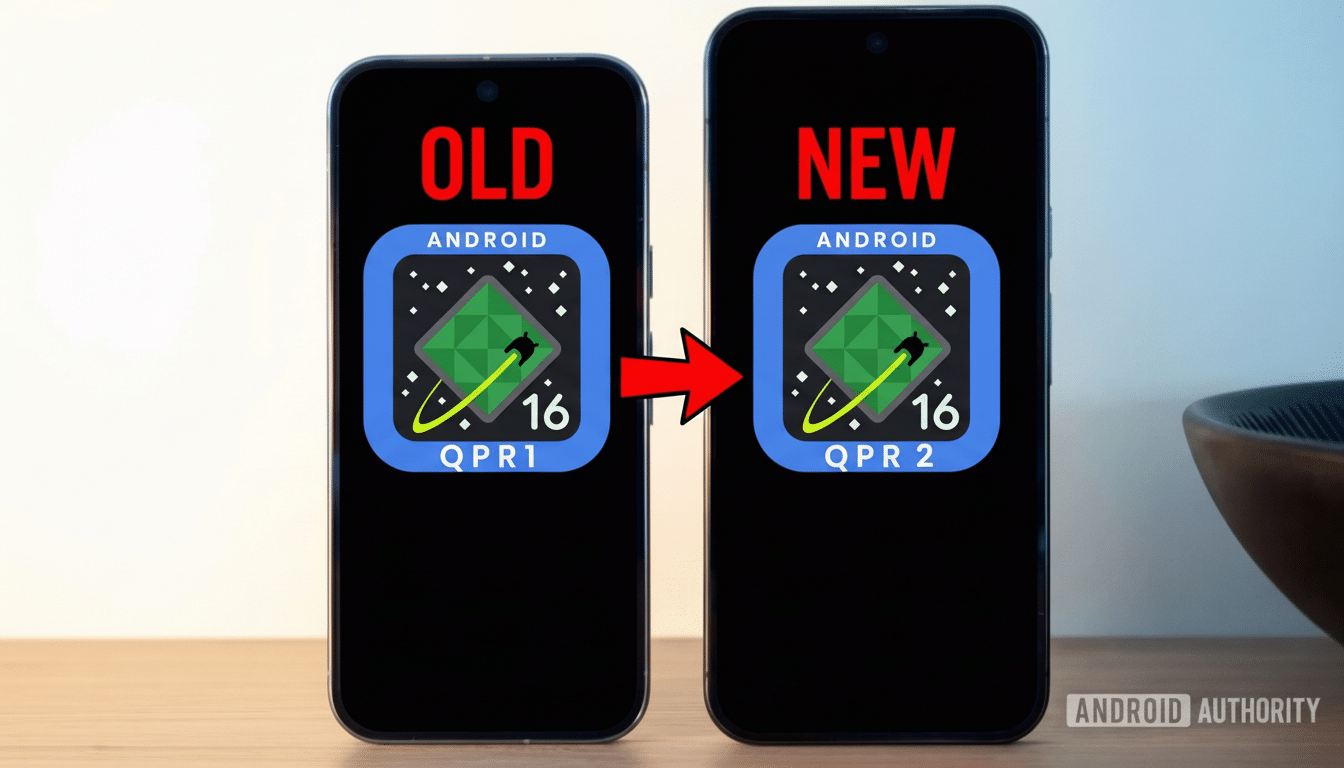
Google has just started to upload the source code for Android 16 QPR2 into the Android Open Source Project, following an announcement that it had been pushed to Pixel devices. The drop brings back the company’s tradition of timely source releases and gives a clear sign for custom ROM developers, security researchers, and OEM partners to start baking in the latest platform changes.
The new code comes under the android-16.0.0_r4 tag in the AOSP repositories and should transition to the android-16-qpr2-release branch as mirroring completes. That tag is the specific platform snapshot Google wants third parties to build on, with frameworks, ART, and build tooling all lined up in a reproducible state.
Why the Source Drop Is Polis’s Problem Across the Android Ecosystem
Quarterly Platform Releases are bundled updates that bring a range of bug fixes, performance and battery tuning, security hardening, as well as a few new developer-facing APIs. For the wider ecosystem, timely source is needed to check where a patch comes from, enable clean merges against downstream forks, and handle work involving licensing and kernel interfaces. Google generally publishes sources within a day or two of an OTA; the abnormally long delay with the last QPR cycle (over two months) alarmed many ROM maintainers and researchers.
The QPR2 drop helps projects avoid drifting too far by rapidly delivering source. While code touches down quickly, maintainers can reconcile sepolicy updates, framework permission changes, and HAL revisions before device trees go stale and vendor blobs become outdated. It also speeds up security work, as teams can audit diffs and implement fixes in their forks rather than relying on opaque binaries.
What Developers Can Access in the Android 16 QPR2 Source Drop
The release also provides updated Tech Preview platform features, as well as new developer APIs (with a comprehensive list from Beta 2). You can synchronize a tagged manifest and build a complete system image from source for evaluation, including API upgrades and new flags/features added in this release.
As usual, device-specific elements like vendor drivers are not included in AOSP. ROM builders will need a factory image or vendor partitions to obtain the required binaries for supported devices. Since Google’s Tensor-powered Pixels are already on QPR2, maintainers can start rebasing their open-source forks onto the matching vendor blobs to fire up those early builds.
Impact on Custom ROMs and OEMs as Android 16 QPR2 Lands
For custom ROMs, this opens the gates to incremental workstreams: merging platform diffs, revalidating SELinux policies, verifying Vendor Interface stability, and rerunning CTS/VTS once updated test suites land. I’ve seen LineageOS/ProtonAOSP and others start staging branches within days of a tag; nightlies come out once any regressions cool down.
On the kernel side, General Kernel Image defconfigs and Tensor-specific downstream defconfigs can be harmonized with QPR2’s userspace updates to reduce breakage along binder, memory management, and graphics stacks. Security-targeted distributions get their hands on hardening commits sooner and are able to add more layers of protection without having to wait for the next platform release.
Signals from the tag and what android-16.0.0_r4 indicates
The android-16.0.0_r4 tag means a stable “snapshot” that can be used on production ROMs after testing. In previous cycles, r-build increments were usually post-GA bits and bug fixes across media, Bluetooth, and telephony stacks to resolve issues. In the next day or so, we should see a dedicated release branch across all applicable repositories once Google’s mirrors finish syncing.
What to Watch Next as Mirrors Update and Branches Appear
Watch for full branch availability for platform, build, and CTS, including updated CTS test results that new ROM builds must achieve in order to qualify for GMS. There’s an equivalent of this milestone in the Android Security Bulletin, and maintainers can keep an eye on it for notes about the vulnerabilities fixed by this QPR to help prioritize merges and backports.
Bottom line: with Android 16 QPR2 🍗 now live in AOSP, the ecosystem can be aligned again. Developers gain clarity, users benefit from quicker and more transparent updates, and the Android platform’s open-source cadence is restored.