


Google’s new Pixel 10a doesn’t shout; it sharpens. In early hands-on time, the $499 mid-ranger feels like a careful tune-up of last year’s crowd-pleasing formula: same core chip, sturdier glass, brighter screen, smarter AI features, and a modern modem that unlocks satellite SOS. The standout “Berry” finish gives it personality, but the theme here is refinement, not reinvention.
Display And Design Get Tougher And Brighter
The Pixel 10a keeps a 6.3-inch Actua pOLED panel with a 60–120Hz variable refresh, now up to 11% brighter with a 3,000-nit peak. In bright conditions, the improvement is noticeable enough to make maps, messages, and photos pop with less squinting.
- Display And Design Get Tougher And Brighter
- Tensor G4 Stays Put But AI Marches Forward
- Connectivity And Safety Take A Flagship Step
- Battery Life Endures While Charging Nudges Forward
- Cameras Unchanged But Still Confident Performers
- Seven Years Of Updates Undercut The Upgrade Cycle
- Early Take: A Deliberate Refinement of the 10a
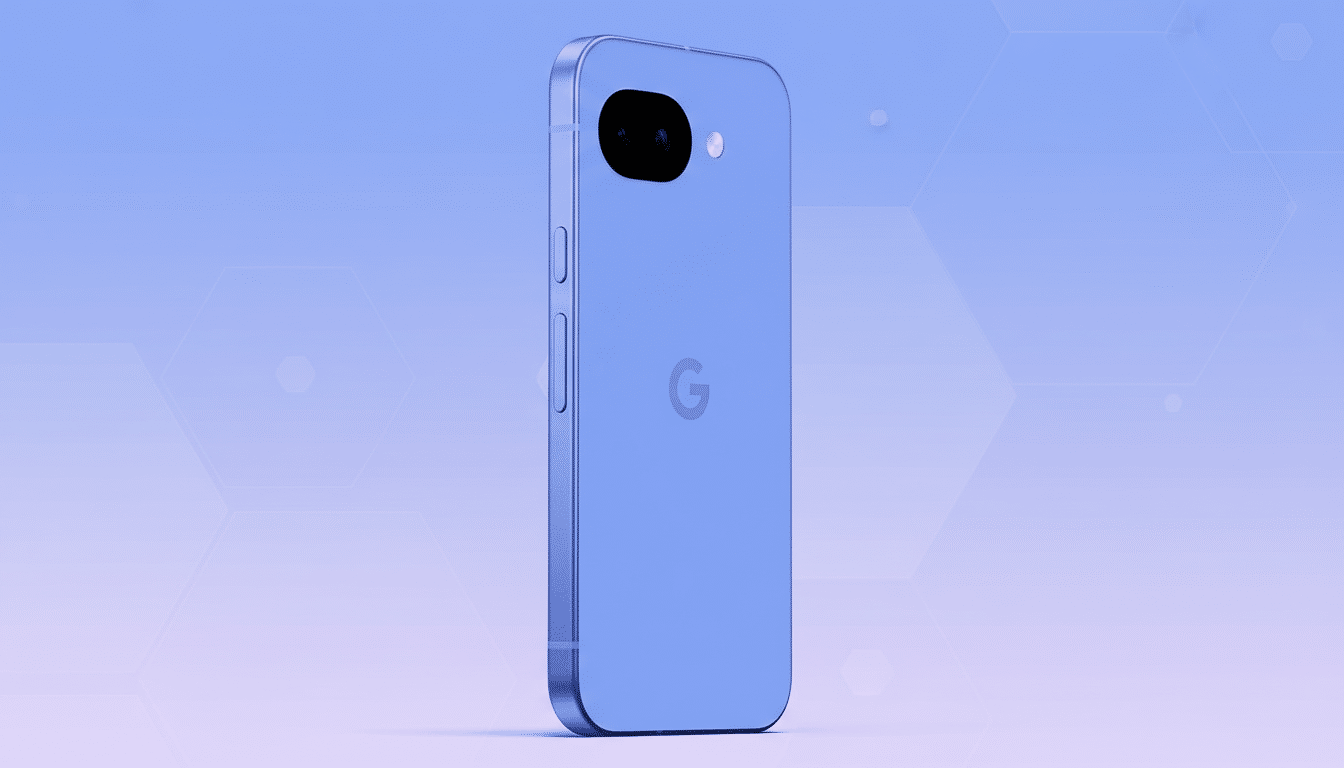
Durability is meaningfully improved. An IP68 rating returns, but the front glass steps up to Corning Gorilla Glass 7i, replacing the older Gorilla Glass 3. Google says the new cover glass survives 1-meter drops onto rough surfaces better, and the aluminum frame with a satin finish still delivers that clean, premium in-hand feel. The camera bar is more seamlessly integrated, and the “Berry” colorway looks richer than the pastel tones of its predecessor.
Tensor G4 Stays Put But AI Marches Forward
Google holds the line with the Tensor G4 and Titan M2 security chip. That choice likely reflects component cost pressures and a desire to keep the phone at $499 while extending long-term support. Day-to-day performance should feel familiar: smooth navigation and fluid multitasking with occasional slowdowns under heavier workloads, consistent with what we’ve seen from prior Tensor G4 devices.
What’s new is how far Google pushes AI on the older silicon. Camera Coach offers real-time framing and composition tips using Gemini models, and Auto Best Take smartly merges frames so group shots land more smiles per shutter press. The takeaway: Google’s headline AI experiences aren’t strictly gated to the newest flagship chip, signaling a broader software-first strategy for Pixels.
Connectivity And Safety Take A Flagship Step
The 10a adopts the Exynos 5400 modem from Google’s flagships, a quiet but significant upgrade. Expect more reliable cellular performance and faster sustained data in tricky coverage zones, pending full testing. Crucially, this modem enables satellite SOS, bringing a top-tier safety feature to the midrange for emergencies when cellular and Wi-Fi are out of reach—especially relevant in markets like the US where the service is supported.
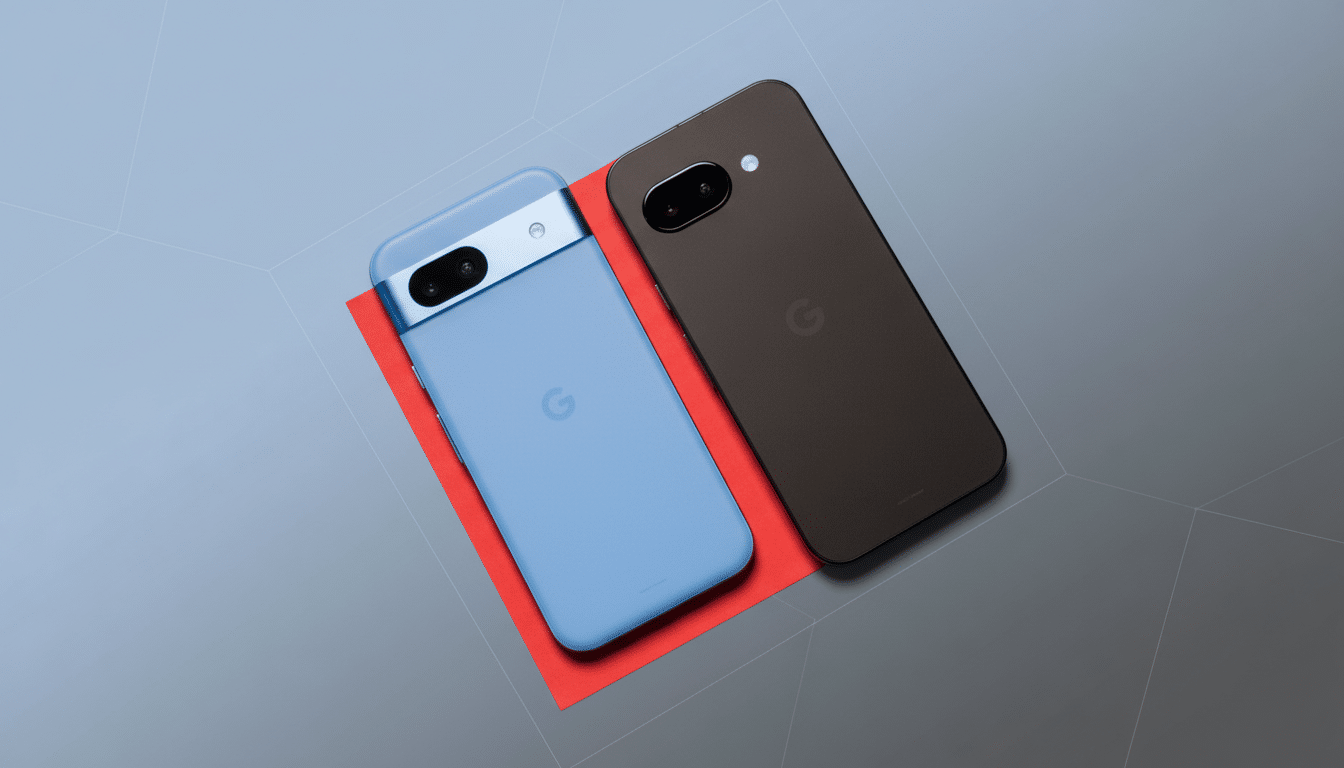
Google’s Quick Share now plays nicely with AirDrop-style exchanges, easing cross-platform file transfers in close range. For families or students juggling mixed ecosystems, it’s a practical quality-of-life win.
Battery Life Endures While Charging Nudges Forward
A 5,100 mAh battery underpins the 10a’s endurance claim: over 30 hours on typical use, stretching to up to 120 hours with Extreme Battery Saver. Charging gets a modest bump to 30W wired and 10W wireless. You won’t find Qi2 magnets or Google’s magnetic accessories here—trade-offs to keep the price in check—while rivals in this bracket chase faster top-ups and magnetic alignment.
Cameras Unchanged But Still Confident Performers
The hardware stack mirrors last year: a 48MP main camera, 13MP ultrawide, and 13MP selfie. No telephoto, no larger sensor, no brighter aperture. Yet Google’s computational pipeline continues to carry the load, and with features like Auto Best Take and robust HDR processing, the 10a should deliver consistent, natural-looking photos across scenarios. Competitors such as the spec-forward midrange crowd may tout extra lenses, but image quality parity often comes down to software. Here, Google remains a safe bet.
Seven Years Of Updates Undercut The Upgrade Cycle
Google promises seven years of updates, a headline advantage under $500 that addresses what analysts at IDC and Counterpoint Research describe as longer ownership cycles and rising component costs across the smartphone market. Extended software support lowers total cost of ownership and keeps features fresh, making the 10a appealing for buyers planning to hold their phone for the long haul.
Early Take: A Deliberate Refinement of the 10a
The Pixel 10a is a calculated, conservative step: brighter display, tougher glass, a better modem with satellite SOS, smarter AI on proven silicon, and long-term updates. It doesn’t try to outgun rivals on raw specs, and camera hardware stands still. If you own a recent A-series phone, the urge to upgrade will be mild. For first-time Pixel buyers or those coming from older midrange devices, the 10a makes a strong case by optimizing experience over escalation—Berry refined, not reinvented.