


Google Photos for Android recently picked up a conversational editing tool that enables you to alter pictures by asking it. Previously available only on the latest Pixel devices, the feature is now rolling out to an expanded group of Android phones, providing quick, AI-powered retouching and creative editing to millions of mobile photographers.
What’s Different in Google Photos on Android
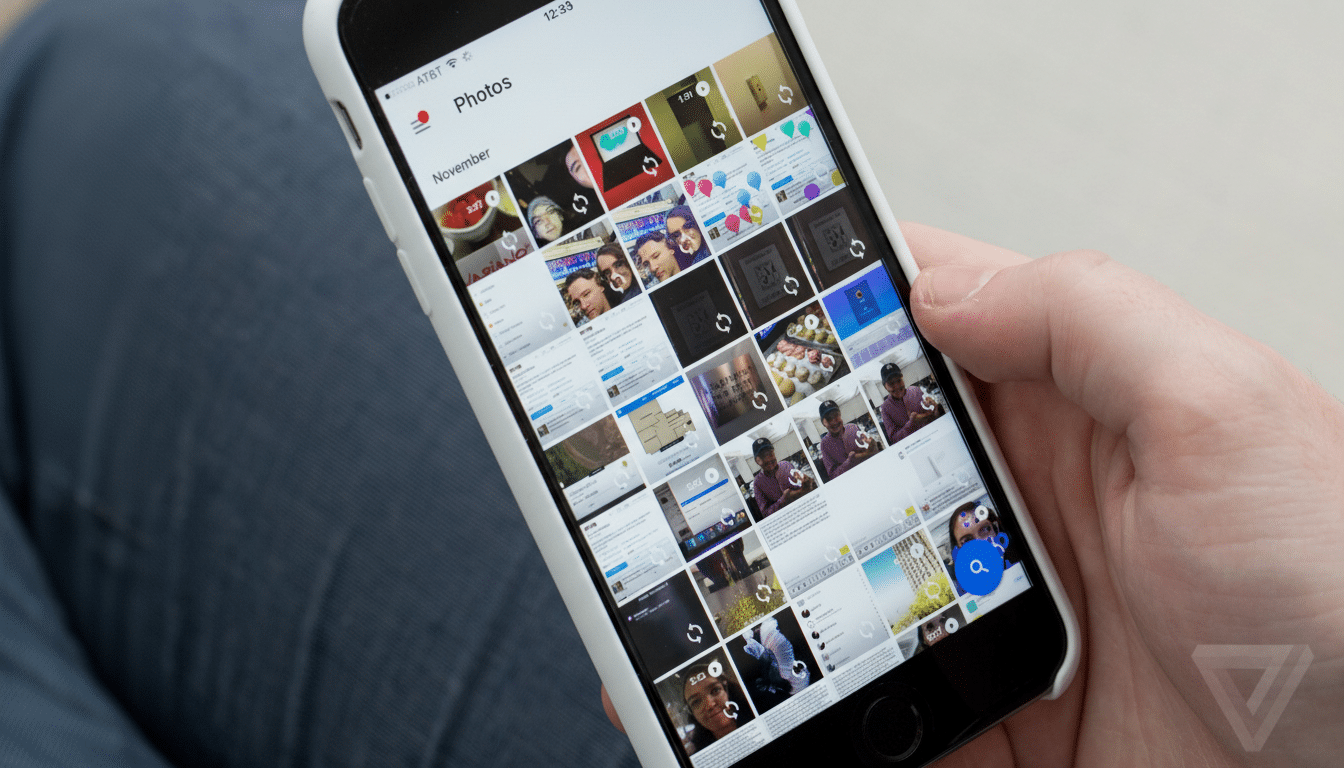
In Google Photos, when you open an image, there is now a “Help me edit” button. Tap it and you’ll be presented with suggested prompts like “remove background clutter” or “focus on subject,” along with a text field where you can type in or speak your own request.
- What’s Different in Google Photos on Android
- How Prompt-Based Editing Works in Google Photos
- Why This Matters to Editors and Photo Teams
- Eligibility, Privacy, and Provenance for Users
- Real-World Use Cases for Prompt-Based Editing
- How to Make Prompt-Based Editing Even Better
- The Larger Picture for the Future of Mobile Editing
Request adaptations to remove glare, enhance skies, or deepen contrast — or go all out with inventive composites that plop a person in an entirely new place.
Google’s Gemini models, under the hood, parse your intent and perform a parade of edits (exposure tweaks; masking to lighten or darken specific parts of an image; object removal; sky replacement; generative fill) — sometimes in seconds. The outcome is a natural and fresh result that would usually take layers and tools to achieve in a desktop editor.
How Prompt-Based Editing Works in Google Photos
Imagine that the prompt is a set of instructions. “Reduce reflections on the window,” for example, engages detection of specular highlights and applies targeted adjustments so faces remain sharp while glare is tamed. “Add clouds to the sky” localizes the sky area, extends canvas if necessary, and seamlessly integrates a realistic cloud layer with lighting appropriate to that in the scene.
You can also keep it open-ended — “make this look professional” — and the system will select a tasteful stack of edits, usually subtle color grading, subject-highlighting effects, and noise cleaning. If you don’t like the initial pass, you can tweak that prompt — “cooler tones,” “less vignette,” “bring back the shadows” — until it resembles what you see in your mind.
Why This Matters to Editors and Photo Teams
Speed and repeatability are the headline wins. Jobs that used to require hours of careful brushing or third-party apps — getting rid of a trash can, evening out light levels, removing lens glare — now are one-line affairs. For social teams and newsroom photo desks, this shortcuts turnaround without requiring a leap to desktop software.
There’s also a reliable provenance layer. Edits applied with these AI tools will be labeled “Edited with AI tools” under the C2PA. The Coalition for Content Provenance and Authenticity, which includes organizations such as Adobe, the BBC, and Microsoft, is encouraging industry standards that enable both audiences and publishers to determine when material has been altered. For editorial processes, the transparency can be just as important (if not more so) than the edit itself.
Eligibility, Privacy, and Provenance for Users
The rollout is to “eligible” Android devices, which typically include recent phones running the latest Google Photos app. The more complex queries could be processed in the cloud, so an internet connection may be necessary. Originals are protected, however, and you can undo edits at any time — a non-destructive process that’s kinder to those sharing a library.
For those worried about authenticity of the rendered output, the C2PA tag accompanies the file’s metadata. That fits with a broader trend of adoption around Content Credentials in the industry as a means for creators to share their generative steps while releasing onto high-velocity platforms. It follows moves by other vendors — Samsung’s Generative Edit or Adobe’s Firefly-powered tools, for instance — that also surface visible or metadata-based signals.
Real-World Use Cases for Prompt-Based Editing
Event photographers can easily declutter the background in group shots. Some food bloggers might want to “reduce yellow cast and add soft light” for whites that are cleaner without blowing highlights. Travel creators could say “make water more turquoise and sharpen foreground,” iterate, then give feedback to avoid oversaturation. Even more challenging scenarios — aquarium glass reflections, overcast beach skies — respond to the kind of precision prompts it delivers without argument.
Across mixed lighting, the tool excelled in subject isolation and sky edits — two trouble spots for mobile sensors. The talkative loop — edit, review, refine — seems more akin to directing an assistant than sliding controls one by one.
How to Make Prompt-Based Editing Even Better
Be explicit about subject and mood. For example, try “brighten the subject’s face, keep background dim” rather than simply “make brighter.” If that edit feels ham-handed, add limitations in the form of “subtle” or “natural.” When making generative changes, refer to context — “overcast clouds in concert with late afternoon light” — to mediate consistency.
Keep track of which prompts consistently give you your look and rewrite them for repeat work. For brand style, too, consistency matters — and prompt snippets can be a bit like presets (only in plain language, not with sliders).
The Larger Picture for the Future of Mobile Editing
With over three billion active Android devices worldwide, the prompt-first approach brings advanced editing from niche to default. With features like Camera Coach, Add Me for group composites, and automatic best-shot selection — as well as an ever-improving suck-it-and-see experience that many don’t even seem to realize requires choosing from a stack of images — Android’s photo stack is finally moving closer toward a world where aim or intent counts more than manual prowess.
That’s not a substitute for traditional editors; it redefines them. Power users are still able to enjoy the granular controls and RAW pipelines. But for the bulk of images that you need to go into feeds and decks, or drive a quick-turn story, this upgrade enables you to describe what you want and let the system do the heavy lifting — ethically labeled, and fast enough for real deadlines.