


Google’s transition from Assistant to its new product, Gemini, on smart home devices has brought an unwelcome side effect for many homes. Now, the seamless “Continued Conversation” experience that let you keep up the chat without having to say the wake phrase again exists behind a paywall, and early reactions indicate people are not amused.
Owners who have moved to Gemini on speakers and displays report that hands-free two-way communication is no longer available by default. Instead, you’ll need to preface every follow-up request with “Hey Google” — unless you sign up for a brand-spanking-new plan called Gemini Home Premium. For Assistant power users who relied on frictionless communication while baking, wrestling with kids, or going about a routine, this one feels like a step down.
What Changed with Gemini and What It Now Costs Users
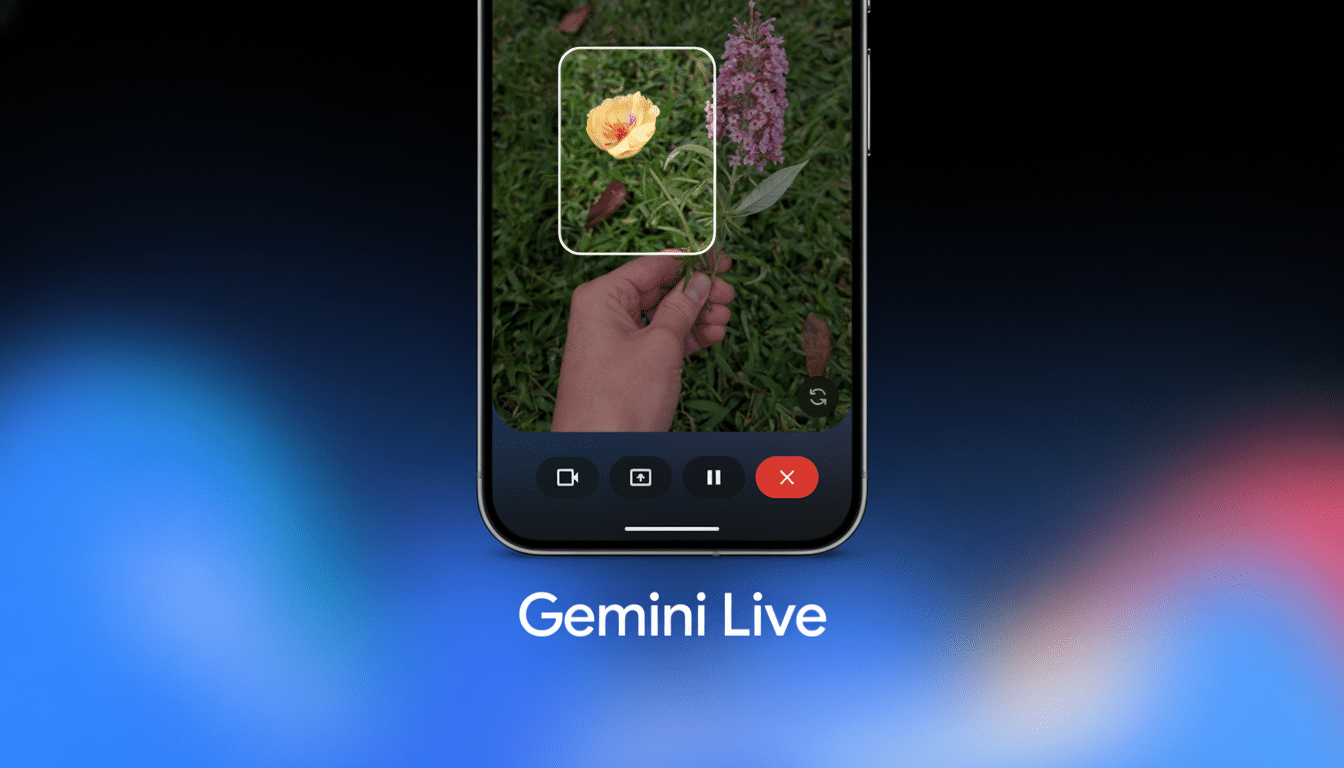
Continued Conversation is now known as Gemini Live for home devices, according to Google. The feature used to be offered for free as part of Google Assistant, but it now costs $10 a month and is part of a subscription called Gemini Home Premium. A number of users are reporting there isn’t a supported way to revert to the old Assistant experience on their speakers and smart displays.
Exacerbating the annoyance is a functional quirk: users say that even in Live mode, Gemini on speakers prioritizes chat and information, not reliably performing smart home actions during conversation. In other words, you might still have to leave chat mode (or say the wake word again) if you want to, for example, dim lights, set a timer, or toggle a scene — all actions that got higher mileage out of Continued Conversation in the first place.
For now, according to its own guidance and user reports, free-flowing back-and-forth is still available via mobile and on the Gemini web app. The restriction seems specifically aimed at the living room scenario, where so many homeowners want ambient, always-ready assistant behavior.
Why This Change Hurts Everyday Smart Home Use
Ambient computing sinks or swims on its lack of friction. Requiring a wake phrase before every single turn is also just enough work for me to be annoyed about using it casually, whether that’s following up hastily, “make it warmer,” “add two minutes,” “actually make the porch lights red,” or even telling the thing to stop doing something. Usability research from groups like Nielsen Norman Group has long warned that the more steps in a voice interface, the less likely people are to return.
Industry surveys from Voicebot.ai regularly demonstrate the most-used voice commands are mundane, hands-busy tasks — timers, music, smart home control, and reminders. Those are precisely the situations where Continued Conversation shines, and there it most conspicuously lacks. The change effectively levies a tax on the very interactions that convinced many families to bring speakers into their homes in the first place.
User Backlash and Early Reviews After Gemini Shift
Reddit users were quick to complain, saying the experience was in fact slower and more cumbersome after the Gemini update. The common denominator: repeating “Hey Google” disrupts the flow and turns simple tasks into chores. Tech reviewers have expressed the same; PCWorld’s Ben Patterson said it feels like a step backward, though not one that was personally breaking his heart.
The optics don’t help. Putting a feature that was once iconic of Assistant behind a paywall, without providing a significant new ability in the home control space, can undermine confidence here. Consumers are sensitive to being asked to pay for something that they never did before, especially when it comes to products that are supposed to blend invisibly into life.
The Living Room Gets Monetization Treatment
Google is not alone in charging for AI upgrades. OpenAI’s ChatGPT Plus, Microsoft’s Copilot Pro, and Google’s AI plans on other platforms establish an expectation that the most advanced models will have a monthly fee. The distinction here is context: shoving a core, habit-forming smart home feature — continuous listening and follow-ups — into a paid tier doesn’t feel like a premium add-on as much as it feels like an upcharge for everyday use.
The result is confusion about tiers and trade-offs. Many users already spend plenty with Google elsewhere for services, yet here we have a separate Gemini Home Premium offering to bring back the level of conversation they are used to from their smart speakers. If Gemini Live doesn’t significantly revolutionize home control, it’s a hard one to stomach.
Practical Options Right Now for Hands-Free Control
If you rely on hands-free follow-ups at home, the grim alternative is to subscribe or tolerate the repeated wake phrase.
- Chain together multiple requests in succession.
- Lean more on Google Home Routines for multi-step actions.
- For common tasks, use on-device controls or widgets.
I can still use it on my mobile for anything that is not shared — a personal interaction between me and the system.
The transition might be more than an inconvenience for households that value access or busy, hands-occupied work. Such added friction could push behavior back toward doing things directly on phones and physical controls, undermining, ironically enough, the promise of an ambient, AI-forward home.
What to Watch Next as Google Adjusts Gemini Home
Google moves fast, and the company has backed away from user pushback in the past. Two questions hang in the air: will Gemini Live have full smart home control while in an active conversation, and will Google reconsider which features it puts behind a paywall? More specific tier standards — and a clear upgrade in what Live can do — would help a lot toward drawing the sting.
For now, the message to users is clear: what made Assistant for speakers so conversational and no-wake-word-y now comes at a monthly price. For many, that’s not just a new business model — it’s a break from how a smart home should feel.