


Google has quietly put one of its most popular voice features behind a subscription. Moving to Gemini in the states where it is available also requires a $10 per month Google Home Premium plan to access the new “Gemini Live” experience and Continued Conversation — the Assistant feature that allows you to ask follow-up questions without having to say “Hey Google” again. The news has sparked anger from smart speaker owners who claim what was once a free convenience is now being offered as a paid perk overnight.
What changed with Gemini for Home and its paywall shift
With Google Assistant, Continued Conversation helped smart speakers feel more natural by diminishing the friction caused by saying “Hey Google” before each query. And now, with Gemini for Home, that feature is essentially rebranded as Gemini Live and becomes a perk behind Google Home Premium. As reported by PCWorld and across user threads, if you switch, you’ll lose the free version of Continued Conversation on Nest speakers and on devices with displays.
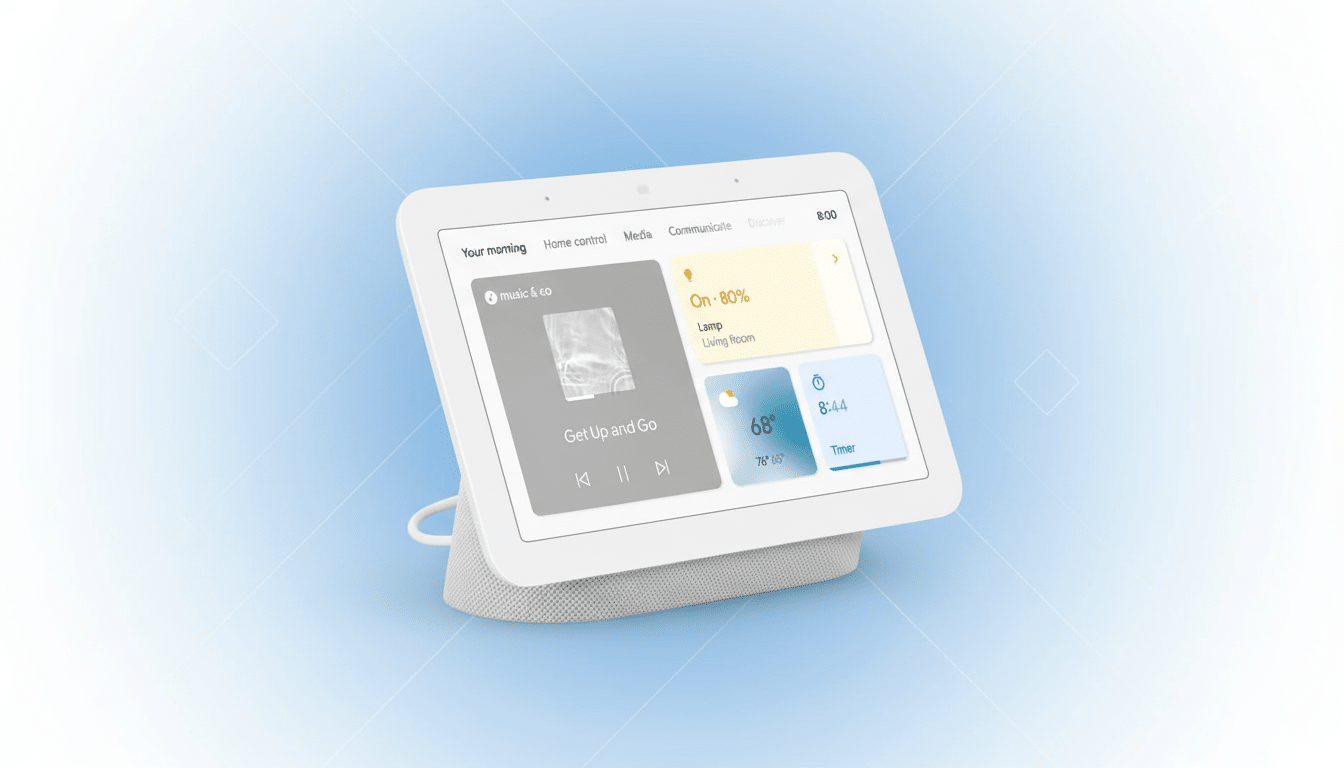
The stakes are greater than any one setting. Voice assistant research by companies like Voicebot.ai has repeatedly demonstrated that rapid-fire asks — timers, weather checks, follow-ups — are some of the most popular use cases. Slapping a paywall onto the fluid give-and-take that many households depend upon not only changes the experience; it interjects itself into the fundamental rhythm of how users speak to their devices.
User reports reveal issues with Gemini on Home
Early adopters on Reddit’s smart home communities are experiencing more than sticker shock. The consensus in several threads appears to be that Gemini currently stumbles on basics that Assistant used to nail: successfully calling contacts, setting timers and alarms on demand, handling simple follow-up requests, and delivering routine voice actions just as quickly and accurately. That unevenness, as well as the paywall, has compounded frustration for power users who upgraded thinking they’d receive parity or more.
Real-world examples underline the point. A typical scenario — “Set a pasta timer for 10 minutes” and “How much time is left?” — now stops working for certain users unless they’re on Premium or keep using wake words. Others say that if you tell Gemini to “Call Mom” or “Turn off the kitchen lights and set a 20-minute timer,” those actions cannot consistently be strung together without additional prompts — a blow for people in busy households who rely on hands-free execution.
Google Home Premium and the new monetization push
Google Home Premium is being pitched as enabling “more human, real-time conversations” with Gemini Live. The company’s justification is transparent: cutting-edge AI is expensive to run, and conversational sessions with context require more compute than simple commands. But the optics are delicate when something that was a tentpole service starts to feel like it went from free to fee with relatively little fanfare.
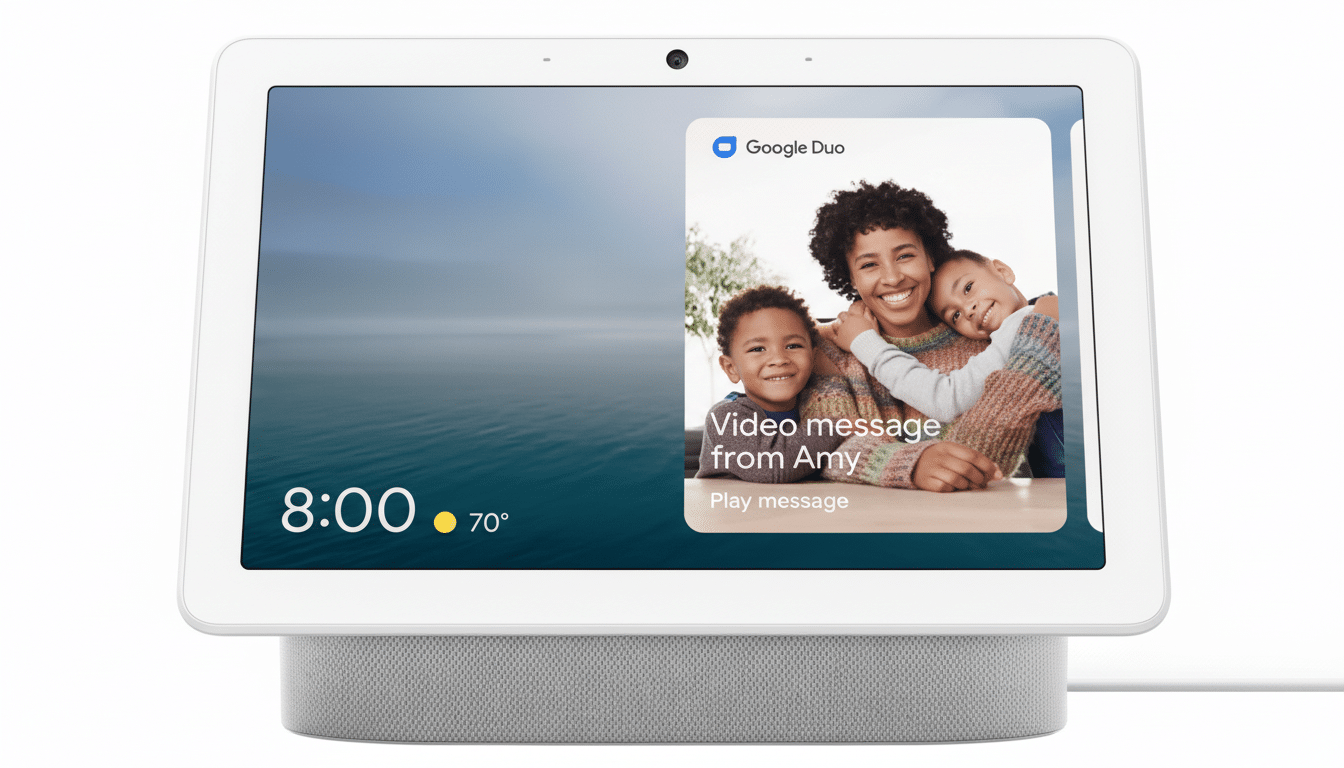
Competitors present a contrast. Amazon’s Alexa has provided Follow-Up Mode for free for years, even as it explores other generative AI features. Apple’s Siri doesn’t charge for repeat requests or follow-up commands. As the industry experiments with premium AI tiers, charging for the very continuity that turned voice assistants from insufferable hucksters into gentle helpers has a good chance of turning off long-time users put off by subscription creep.
Early adopters left without an easy revert option
Adding fuel to the fire, users have found that there’s no easy way to revert back to the classic Google Assistant when a device is switched over to Gemini for Home. Continued Conversation still functions on Assistant-powered speakers and displays that haven’t transitioned, but the path to Gemini seems to be one-way for now. For families that rely on free-flowing, hands-free conversation, this is a high-stakes decision.
Practical advice for now: if Continued Conversation is indispensable to your operation and you don’t feel like footing the bill, hold off on upgrading your most important smart speakers or displays until you have a sense of whether Gemini’s free-tier experience becomes more stable — and Google gives greater clarity on the options. Mixed homes — some powered by Assistant, others by Gemini — may not be ideal, but they at least keep a safety net in place while the new stack gets its legs.
What to watch next as Gemini for Home evolves
Google has been iterating quickly on Gemini throughout its products, and we can expect more getting better: calling, timers, and multi-turn handling. Sharper messaging about what remains free versus paid would also help repair trust. The ultimate test is whether Gemini for Home can have AI-rich conversations without straining the foundations that made voice assistants so helpful in the first place.
For now, here’s how the story goes: a favorite Assistant feature is locked behind money, and its substitute doesn’t feel as polished (at least not on day zero). Until that tipping point is reached, Google will be piloting through a user base that wants the future of AI, just not at the expense of what it already has — and not for an additional $10 a month to keep speaking naturally to the devices they already own.