


The Google Nest Wi‑Fi Pro just fell to a new all‑time low at $99.99, slashing $100 off its usual price and making one of the most popular Wi‑Fi 6E mesh routers far more approachable. The deal spans every colorway — Snow, Fog, Lemongrass, and Linen — and undercuts many entry‑level mesh options without asking you to compromise on modern features.
Why This Price Move Matters for Wi‑Fi 6E Upgrades
Wi‑Fi 6E routers have been trending down, but sub‑$100 for a name‑brand 6GHz‑capable node is rare. Households are connecting more devices than ever, and price has been the gating factor for many buyers waiting to upgrade. Deloitte’s connectivity research notes that the typical US household now manages well over 20 connected devices, a far cry from the single‑router era built for just a handful.
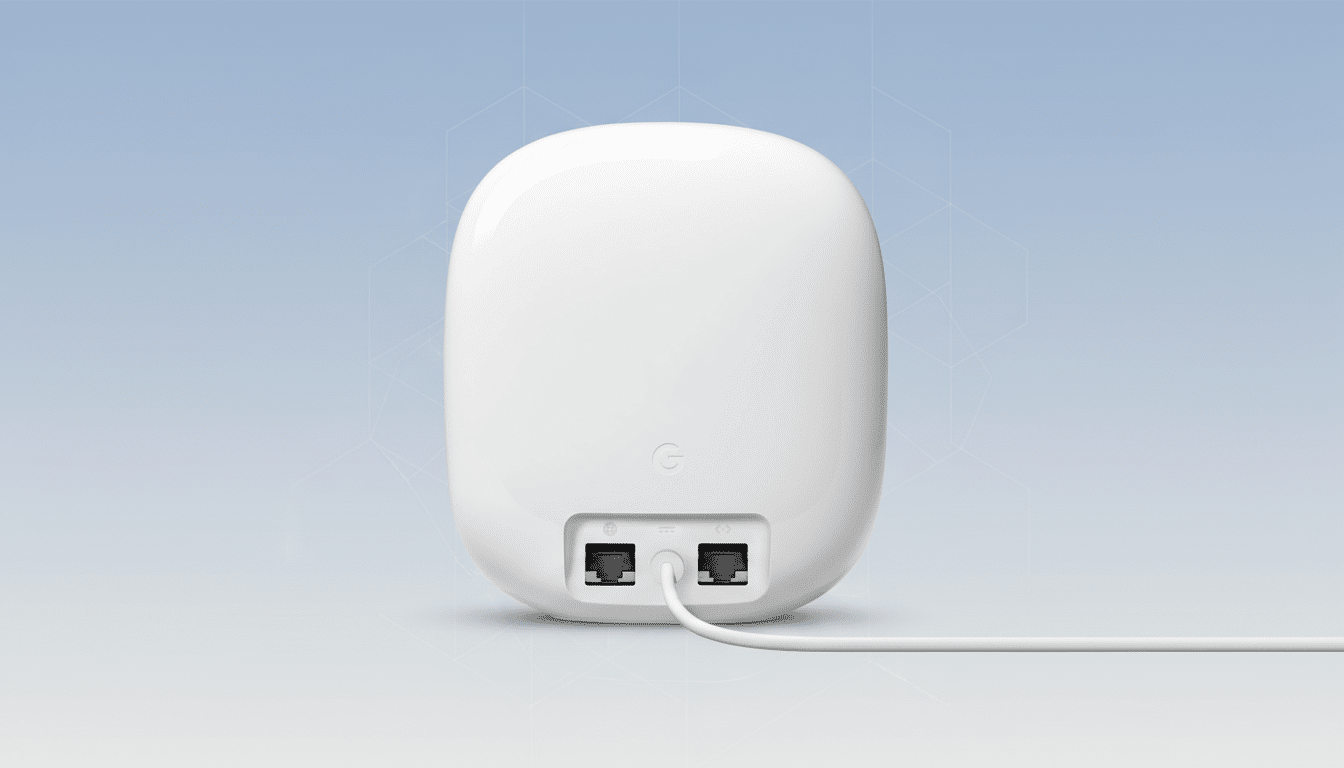
At this price, the Nest Wi‑Fi Pro becomes an easy recommendation for renters and homeowners who want cleaner spectrum and mesh‑ready coverage without spending as much as a top‑tier gaming router or multi‑unit kit.
What You Get With Wi‑Fi 6E on Nest Wi‑Fi Pro
The headline feature is 6GHz support, which adds a wide, relatively uncongested lane for compatible phones, laptops, and headsets. The 6GHz band was opened by regulators like the FCC to alleviate crowded 2.4GHz and 5GHz airwaves, reducing interference and improving latency — a tangible win for cloud gaming, video calls, and AR/VR streaming.
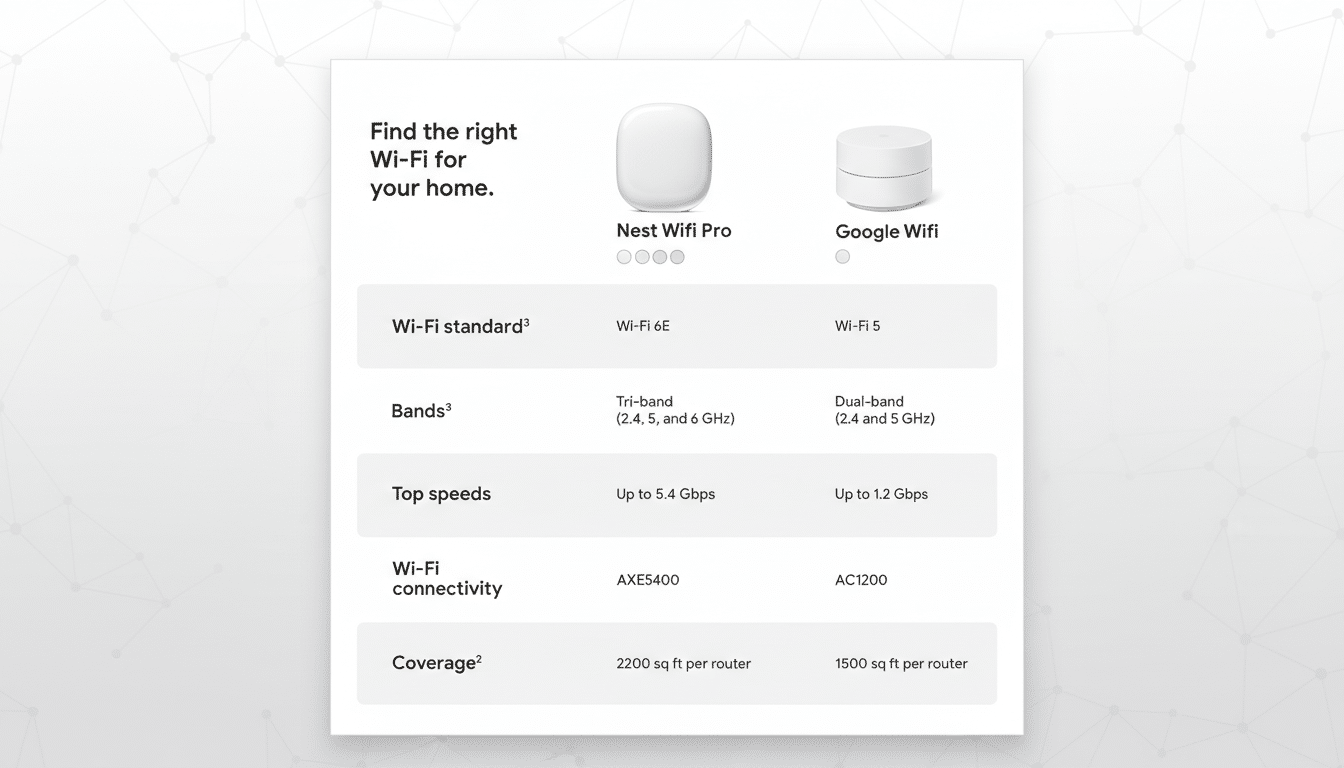
Google rates the Nest Wi‑Fi Pro up to 5.4Gbps across its tri‑band design (2.4GHz, 5GHz, 6GHz). Real‑world speeds depend on your plan and environment, but the extra spectrum helps sustain high throughput where older routers buckle. With median fixed broadband speeds in many markets now well over 200Mbps, the bottleneck in lots of homes is aging Wi‑Fi, not the pipe coming in.
Coverage and Capacity for Busy Homes and Apartments
Each Nest Wi‑Fi Pro unit is rated to cover about 2,200 square feet. Add more points to build a mesh that evens out dead zones across multi‑story homes, long apartments, or garages and patios. In our experience, placing a second node halfway between your main modem location and a weak area is the fastest way to stabilize speeds.
Capacity is a quiet game‑changer. Cheaper routers can falter past a dozen active devices, while the Nest Wi‑Fi Pro is designed to manage up to 100 connected devices per unit before performance meaningfully degrades. That’s the difference between a smooth evening of 4K streaming on multiple TVs while laptops back up to the cloud and a network that stutters when someone starts a video call.
Setup runs through the Google Home app, which also provides basic parental controls, guest networks, device prioritization, and automatic security updates. The system supports Matter and functions as a Thread border router, giving smart‑home devices a more reliable backbone.
How It Stacks Up to Rivals in the 6E Mesh Market
Competing 6E options like eero 6E and TP‑Link’s Deco XE75 routinely sell above this mark, especially for single‑unit purchases. Multi‑pack bundles can be cost‑effective, but if you’re testing the 6E waters or covering a smaller footprint, the Nest Wi‑Fi Pro at $99.99 is an aggressive way in.
There are trade‑offs. Power users who need multi‑gig LAN/WAN ports, advanced QoS tuning, or Wi‑Fi 7 future‑proofing should look higher up the ladder. But for most homes, the blend of 6GHz access, mesh expandability, and straightforward management checks all the right boxes.
Real‑World Use Cases That Benefit from Wi‑Fi 6E
If you own a recent flagship phone or laptop — think premium devices from the last couple of years — there’s a good chance it supports Wi‑Fi 6E. Moving those devices to 6GHz pulls them off crowded 5GHz channels, improving reliability for legacy gadgets. VR headsets that support high‑bandwidth wireless streaming also benefit; keeping backhaul and headset traffic on cleaner spectrum reduces artifacts and latency spikes.
Smart homes with dozens of lights, sensors, and speakers will see stability gains from the Nest Wi‑Fi Pro’s device capacity and Thread support, while remote workers get steadier video conferencing and faster file syncs during peak hours.
Buying Notes and Tips for Getting the Best Value
At this record‑low price, color choice is essentially a freebie rather than a compromise; pick what blends into your space. If you have a larger home, consider buying a second unit to build a mesh now or plan for a future expansion — mixing identical nodes simplifies management and ensures consistent roaming behavior.
The broader 6GHz ecosystem is expanding quickly, according to the Wi‑Fi Alliance, with hundreds of certified devices across phones, PCs, and access points. That momentum, coupled with regulator‑cleared spectrum and rising broadband speeds, makes upgrading to a 6E router a smart, timely move — especially when the hardware drops to double digits.
Bottom line: if you’ve been waiting for the right moment to modernize your network, the Nest Wi‑Fi Pro at $99.99 is the kind of deal that doesn’t linger. It’s a cost‑effective way to clear congestion, extend coverage, and prepare your home for the next wave of connected devices.