


Google is expanding its AI-assisted navigation, bringing Gemini to walking and cycling in Google Maps after first debuting the experience for drivers. The update aims to make on-the-go directions more conversational and hands-free, an appealing shift for pedestrians and cyclists who often juggle sunlight glare, traffic awareness, and notifications while moving.
The rollout starts on iOS with Android support following soon. Once enabled, users can speak naturally to request route tweaks, find places along the way, or get quick help with messages—without constantly looking down at a screen.

What Gemini Adds To Your Walk Or Bike Ride
Unlike keyword-driven voice commands, Gemini is built for conversational requests tied to what you’re doing right now. Picture this: you’re on a riverside trail and want a quieter detour through a park, or you’re walking to a meeting and need a coffee stop that won’t make you late. You can ask naturally, and Maps will adjust guidance around your current route and timing.
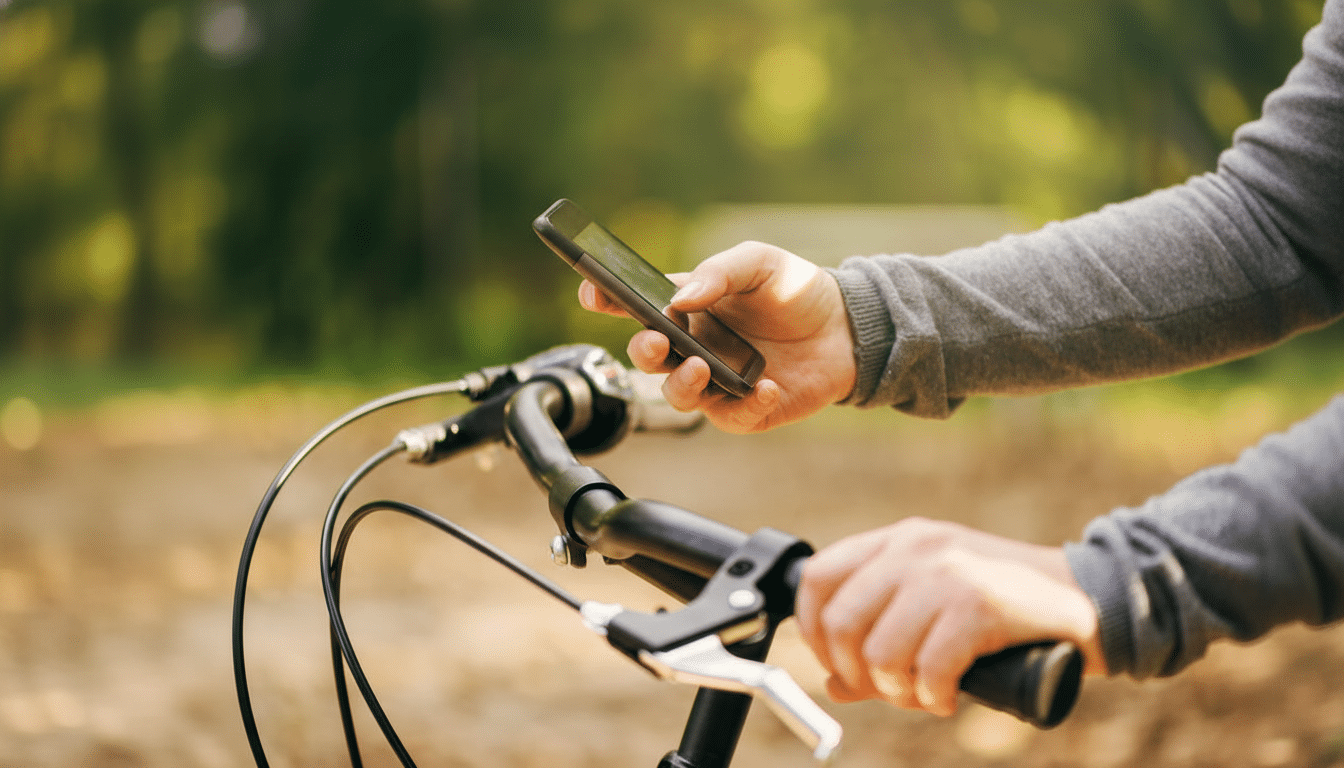
For cyclists, the hands-free factor is the headline. Instead of stopping to pinch-zoom a map, you can ask for a safer route with more bike lanes, confirm whether a bridge is closed, or check how far until your next turn. If you’re wearing earbuds, audio responses can keep your eyes on the road and your hands on the bars.
Gemini also assists with non-navigation tasks that tend to interrupt trips. Need to dictate a quick reply, set a reminder to lock your bike at arrival, or ask what time a shop on your route closes? The assistant can handle those side tasks in context, reducing screen time mid-journey.
Why It Matters For Safety And Sustainability
Walking and cycling are core to urban mobility strategies because they’re low-emission and efficient for short trips. The International Energy Agency estimates that transport accounts for roughly 23% of global energy-related CO2 emissions, so getting more people comfortable with active travel carries real climate weight. Tools that reduce friction—like hands-free navigation and context-aware assistance—can help tip everyday choices toward greener modes.
Safety is equally important. The World Health Organization identifies road traffic injuries as a leading cause of death for children and young adults. While navigation apps are not safety devices, minimizing on-screen interaction during movement is a practical step. Pedestrians navigating unfamiliar neighborhoods and cyclists balancing momentum with situational awareness both benefit from audio-first guidance and fewer taps. As always, riders should follow local laws on device use and earbuds while cycling.
This update also pairs well with how Maps calculates walking and biking routes, which already factor in elevation, bike lanes, and path availability in many cities. Layering conversational AI on top lets users request clarifications—like asking whether a suggested detour is paved or how busy a street typically gets—without digging through menus.
Availability And Rollout Details For Gemini In Maps
Gemini in Maps for walking and cycling is live on iOS, with Android support rolling out soon. As with most Google features, the release is staged; availability can vary by region and language. Make sure the Google Maps app is updated to the latest version to see the new assistant prompt within navigation.
Expect the familiar experience from driving mode: a conversational overlay that responds to natural language, works with wired or wireless earbuds, and keeps you moving. If you rely on offline maps, some AI responses may require connectivity—something to consider before heading into low-signal areas.
The Bigger Picture For AI Navigation Across Modes
Extending Gemini beyond the car underscores a broader shift: navigation is becoming a real-time assistant rather than a static sequence of turns. That aligns with how people travel today—mixing walking, cycling, transit, and rideshare over the course of a day and expecting the same level of help across modes.
Competitively, it strengthens Maps in areas where active travel has momentum. City transportation departments and bikeshare operators report steady ridership growth in many regions, and commuters increasingly blend biking and walking with public transit. For those users, consistent AI help that works just as well on foot or on two wheels as it does behind the wheel is a meaningful upgrade.
Bottom line: bringing Gemini to walking and cycling makes Google’s navigation feel more human and more helpful in the moments that matter—when your hands are busy, your time is tight, and your route is changing on the fly.