


Google’s newest budget contender is official. The Pixel 10a arrives holding the line at $499, but it brings smarter camera software, tougher materials, faster charging, and emergency satellite support to the A-series—without wandering from the formula that’s made Pixel’s midrange phones a perennial recommendation.
Pixel 10a Price, Storage Options, and Availability
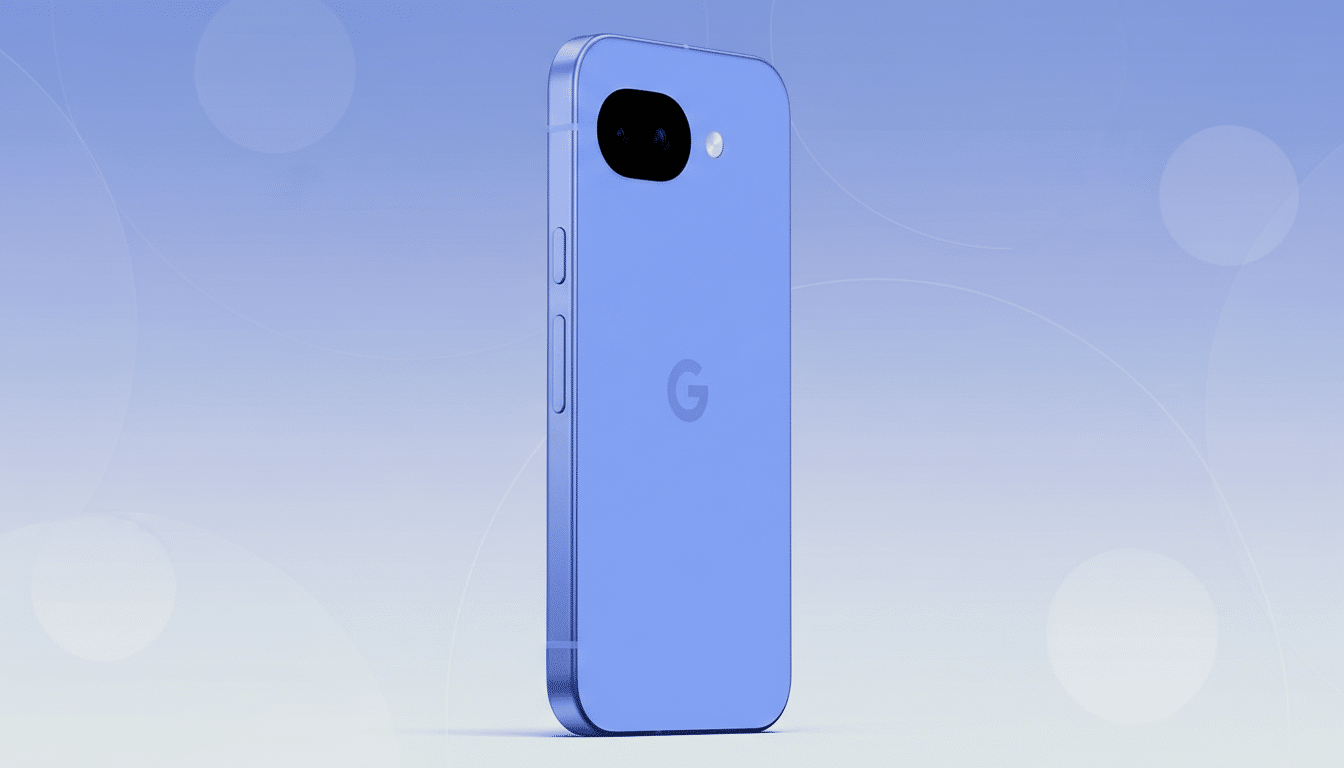
The Pixel 10a comes in one memory configuration—8GB of RAM—with storage options of 128GB or 256GB. There’s no microSD slot, so pick your capacity carefully. Preorders start immediately, with broader retail availability to follow through Google’s store, carriers, and major retailers. Color options include Obsidian, Fog, Lavender, and a punchy Berry that finally gives the A-series some personality.
- Pixel 10a Price, Storage Options, and Availability
- Pixel 10a Design, Materials, and Durability Upgrades
- Display Tweaks That Improve Outdoor Visibility and HDR
- Cameras and Pixel AI Features Arriving on the 10a
- Performance, Software Experience, and Long-Term Support
- Battery Capacity and Faster Wired and Wireless Charging
- Connectivity Upgrades and Safety Features, Plus Extras
- Early Take on Pixel 10a and the Broader Market Context
Pixel 10a Design, Materials, and Durability Upgrades
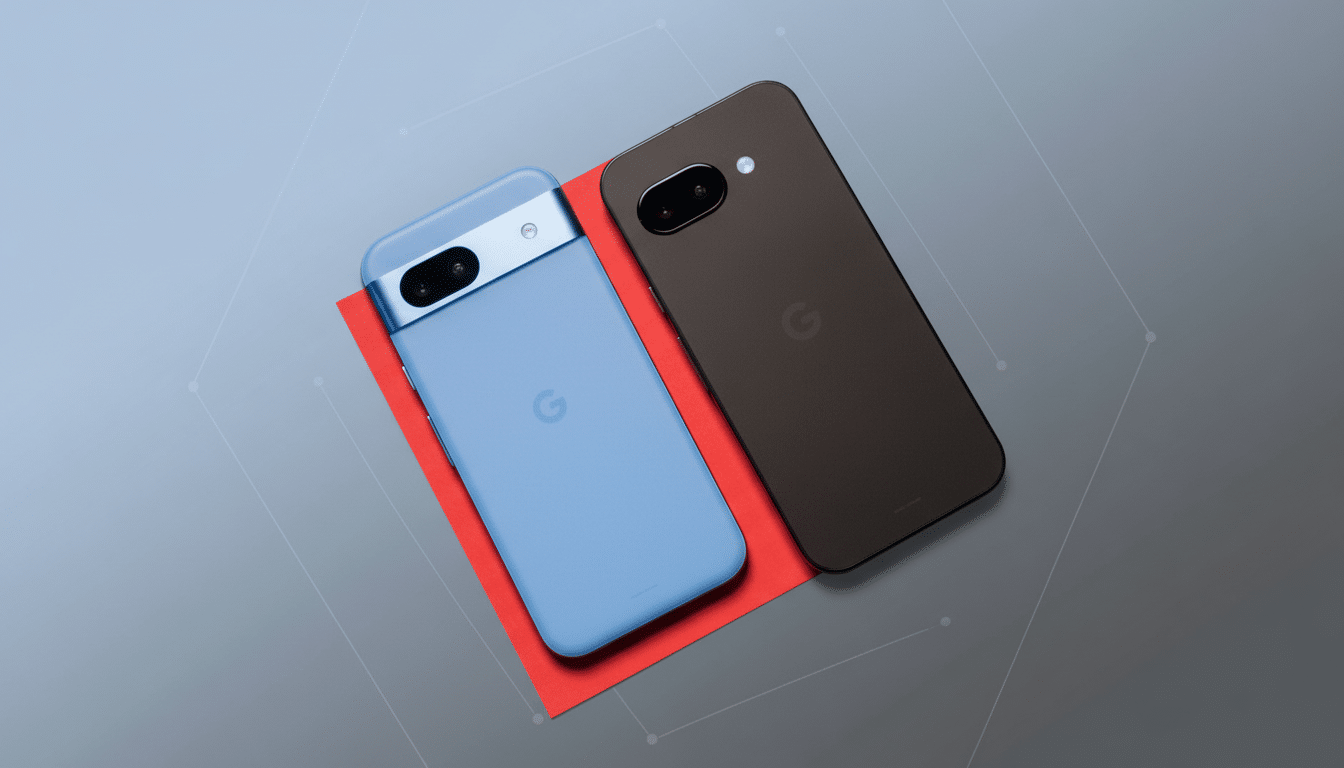
Google’s design shift is subtle but meaningful: the camera array now sits flush with the back, eliminating the familiar bar and delivering a cleaner, less snag-prone profile. The frame is aluminum, the back uses recycled plastics with up to 81% recycled content, and the phone carries an IP68 rating for dust and water resistance—reassuring specs rarely guaranteed at this price.
Front protection steps up too. Corning’s Gorilla Glass 7i covers the display, a midrange-focused glass that Corning positions as a drop-resistance upgrade over older generations used in this segment. It’s a practical move for phones that are more likely to go caseless.
Display Tweaks That Improve Outdoor Visibility and HDR
Specs-wise, the 6.3-inch pOLED Actua display looks familiar: 2,424 x 1,080 resolution with a 120Hz refresh rate. The differences you’ll notice day one are the slimmer, more uniform bezels and higher brightness. Google says this is the brightest A-series screen yet, 11% brighter than the previous model, which should pay dividends in daylight readability and HDR punch.
Cameras and Pixel AI Features Arriving on the 10a
The hardware formula remains trusted rather than flashy: a 48MP main camera paired with a 13MP ultrawide. Last year’s results were consistently strong for stills and video, and Google isn’t messing with a good thing. The bigger story is software. Auto Best Take and Camera Coach—features introduced on the mainline Pixel 10 series—now land on the 10a, even though it runs the Tensor G4 instead of the Tensor G5. That’s a noteworthy engineering win for on-device processing and suggests Google’s AI playbook is broadening beyond flagships.
As usual, you can expect the suite of computational photography tricks that defines Pixel: reliable skin tones, low-light consistency, and motion stabilization backed by Google’s image pipelines. The flush camera design won’t change your photos, but it does make the phone easier to slip into a pocket without a camera bar catching on fabric.
Performance, Software Experience, and Long-Term Support
Under the hood, the Pixel 10a keeps the Tensor G4 while the premium Pixel 10 models move to Tensor G5. That means you shouldn’t expect a raw performance leap over last year’s A-series, but Google’s silicon continues to be optimized around on-device AI and camera workloads rather than synthetic benchmark glory.
The phone ships with Android 16 and is slated for Android 17 when it’s ready. More importantly, Google is committing to seven years of OS updates, security patches, and Pixel Drops. That longevity is rare at $499 and materially improves total cost of ownership. Only a handful of competitors offer comparable support windows, and typically not in this price tier.
Battery Capacity and Faster Wired and Wireless Charging
Capacity holds steady at 5,100mAh, which bodes well given how efficiently last year’s A-series managed power. The charging story improves: wired charging jumps to up to 30W, and wireless charging moves to 10W using the Qi2 standard. As with most modern phones, there’s no charger in the box, so you’ll need a compatible adapter to hit those top speeds.
Connectivity Upgrades and Safety Features, Plus Extras
Satellite SOS headlines the connectivity upgrades, bringing emergency messaging capability that previously skipped the A-series. It’s not a feature you’ll use often, but it’s the sort of safety net that can matter when you need it most. Elsewhere, you get 5G, NFC for tap-to-pay, and dual-SIM flexibility via one physical SIM and one eSIM. There’s no headphone jack, and no expandable storage—standard fare for modern midrange phones.
Early Take on Pixel 10a and the Broader Market Context
The Pixel 10a is a measured update, not a reinvention. But the targeted upgrades feel right: a brighter screen that helps every day, faster charging that shortens pit stops, safety-forward satellite support, and flagship camera software flowing down the stack. In a market where analysts at Counterpoint Research and IDC have repeatedly highlighted the importance of sub-$600 phones for unit volume, Google’s approach is pragmatic—protect the strengths, polish the pain points, and extend support windows.
If you wanted a spec-sheet knockout, look to the premium Pixel line. If you wanted a dependable, well-supported phone that leans on AI where it matters and skips the gimmicks, this is the A-series doing what it does best. On paper, it’s already one of the most compelling options in the midrange—now it’s on real-world testing to confirm Google’s small, smart bets pay off again.