


Google has just announced Google Home Speaker, the latest addition to its smart audio device lineup based on Gemini rather than the old and dusty Assistant. The catch is simple, yet frustrating for those early on the bandwagon: it’s real, but you can’t buy it yet. Google wants to take this slowly so it can make sure as many current devices with Assistant are in the wild before Gemini is ready.
The new model focuses on natural conversation, room-filling 360-degree sound, and better integration with the larger Google universe. It’s firmly priced at $99, and squarely in the mainstream—if and when it gets to store shelves.
- Gemini Takes Center Stage in the Google Home Speaker
- Audio and Design in Brief for the New Home Speaker
- Why the Wait Before Google Sells the Home Speaker
- Ecosystem Fit and Branding Shift for Google Home
- Price and Options for the Upcoming Google Home Speaker
- What to Know Before It Goes on Sale to Consumers
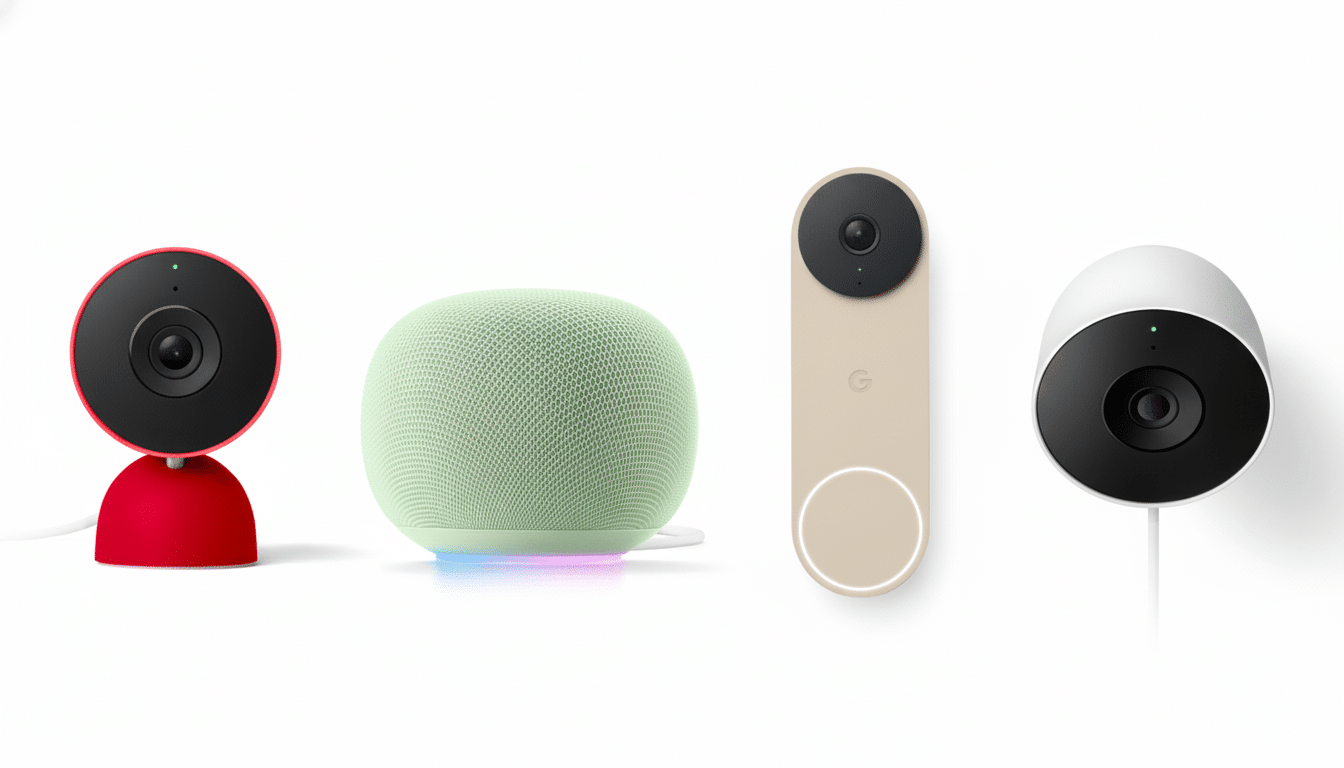
Gemini Takes Center Stage in the Google Home Speaker
It is the first Google-branded speaker specifically designed for Gemini (Gemini for Home). You’ll get context-aware interaction out of that, more human-like back-and-forth through Gemini Live, and speedier responses courtesy of the custom processing, which Google claims is optimized for on-device AI jobs.
The approach mimics how Google has been moving software closer to hardware across its line: give the assistant more of that decision-making power, reduce friction, and make more interactions responsive even when the cloud isn’t so perfect. Google also states that access to Gemini will come to tens of millions of existing speakers and smart displays, which is why the company is focusing on software rollout instead of selling new hardware right out of the gate.
Audio and Design in Brief for the New Home Speaker
Unlike the angled polar audio of previous Nest Audio models, the Google Home Speaker offers 360-degree sound fit for mid-room placement. That usually means a full-range driver and a tuned enclosure to disperse sound evenly, and that’s a design often seen in competing models where placement is an issue.
At the base is an RGB light ring that comes to life with voice activity, and a hardware mute switch for the microphones, as privacy-minded consumers now demand. Google has retained all the familiar multi-room features, so it can group with other Nest speakers for synchronized playback.
For home theater functions, the speaker can connect with the new Google TV Streamer, while two Home Speakers can create a stereo pair. Google says these are capable of delivering a living room “cinematic” experience. In reality, that will all depend on the size of the drivers and how much power is in an amplifier behind those drivers (there’s also tuning to consider); reviewers will be looking for dialogue clarity, lag with TV audio, and how well it is at handling bass without a subwoofer.
Why the Wait Before Google Sells the Home Speaker
Google predicts that the Gemini for Home will already be widely available to its customers before also adding in new hardware later. Sequencing software pre-sales cuts down fragmentation, allows Google to fine-tune voice and context models with real-world usage, and smooths the transition from Assistant to Gemini features that drive routines, timers, casting controls, and home automation.
There is also a platform maturity dimension. Reliability: Good smart speakers live or die on their ability to hear you (and play sound) reliably, regardless of noise and distance. By buffing up Gemini on old hardware at scale, Google can bring the new speaker to market with a lot less drama.
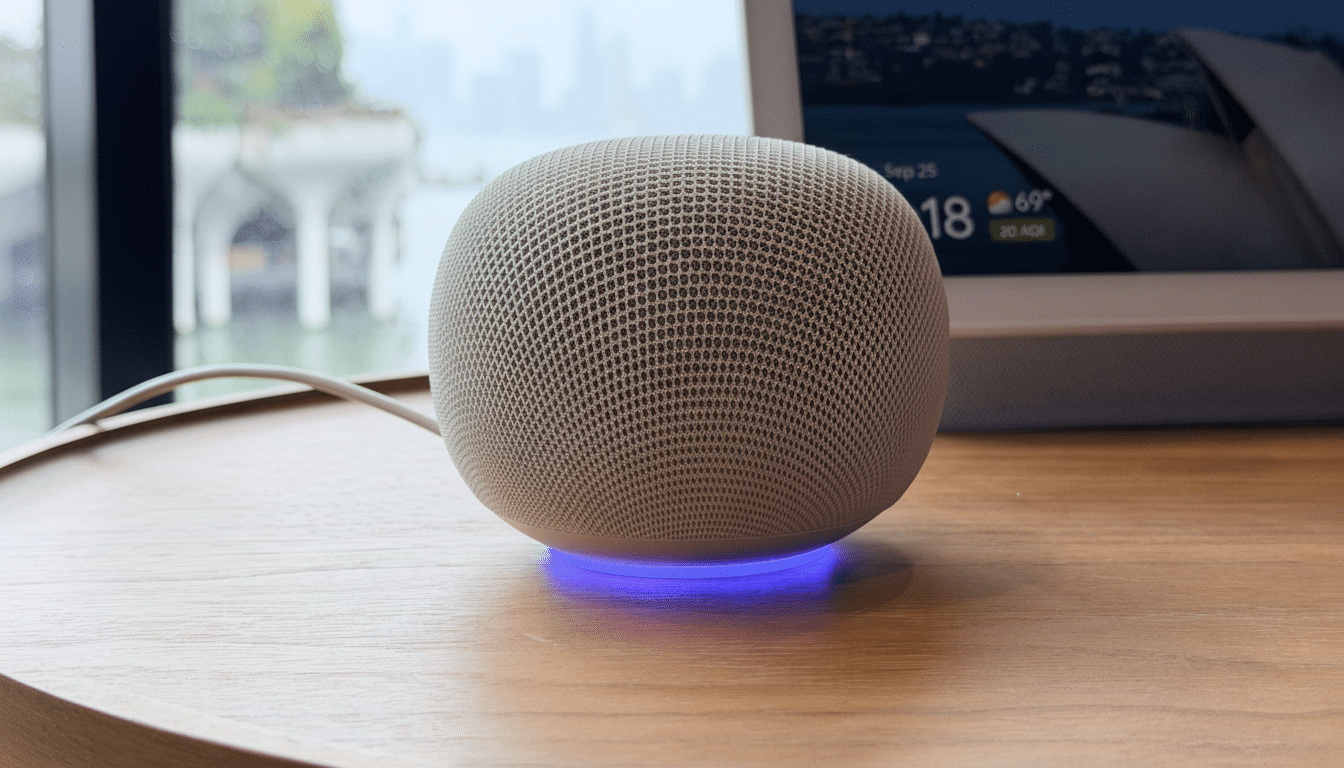
Ecosystem Fit and Branding Shift for Google Home
The Nest badge is going away in favor of “Home,” further embracing the branding that Google has been pushing through its Home app and the company’s broader device family. It still plays well with Nest speakers and displays for multi-room audio and voice control, and it’s obviously being framed as the living room’s default Gemini assistant.
The integration with Google TV is significant. If coupling with the Google TV Streamer is indeed frictionless (think fast switching, lagless audio, volume sync, and voice-first playback requests), then Home Speaker’s appeal transcends a mere music device; it becomes an entertainment hub.
Price and Options for the Upcoming Google Home Speaker
Priced at $99, the Google Home Speaker is priced below high-end Apple and some Sonos models while standing up against mainstream options from Amazon. It will be available in Porcelain, Hazel, Jade, and Berry, providing buyers with more living room-friendly colors than your typical black-and-white binary.
For users looking to set up in their living room, two speakers plus the Google TV Streamer claim to offer a budget-friendly home theater path. Whether it stands up to standard soundbars will be a matter of tuning and software polish rather than the numbers.
What to Know Before It Goes on Sale to Consumers
Look for focus on three fronts:
- How quickly Gemini features hit older Google speakers
- How reliably the new model handles far-field voice in real homes
- How well it works with casting and Google TV
Industry trackers including Canalys and Statista put the smart speaker installed base in the hundreds of millions, and there’s so much share to win today that it comes down more to quality of experience than just hardware.
For the moment, though, the verdict is basic: This Google Home Speaker looks like a nicely designed and fairly priced device, but the real test will be when it finally hits living rooms in great numbers. Until we get to that point, the story is software—Gemini everywhere—and a slow march toward hardware presentation that comes on the tail end once the foundation’s laid.