


Google appears to be moving beyond text-only recaps in its Home app, preparing a more visual take on the daily Home Brief that summarizes activity from connected cameras and devices. App code references point to a feature labeled “Visual home brief,” signaling a shift from dense paragraphs to image-led highlights and quick-glance cards.
Home Brief, introduced as part of Google’s broader Home revamp, currently provides a written digest of key household events generated by Gemini. It’s designed for subscribers on the premium tier and leans heavily on Nest cameras and other sensors to compile a narrative of the day. Useful, yes—but at times a wall of text when you just want to know what happened and when.
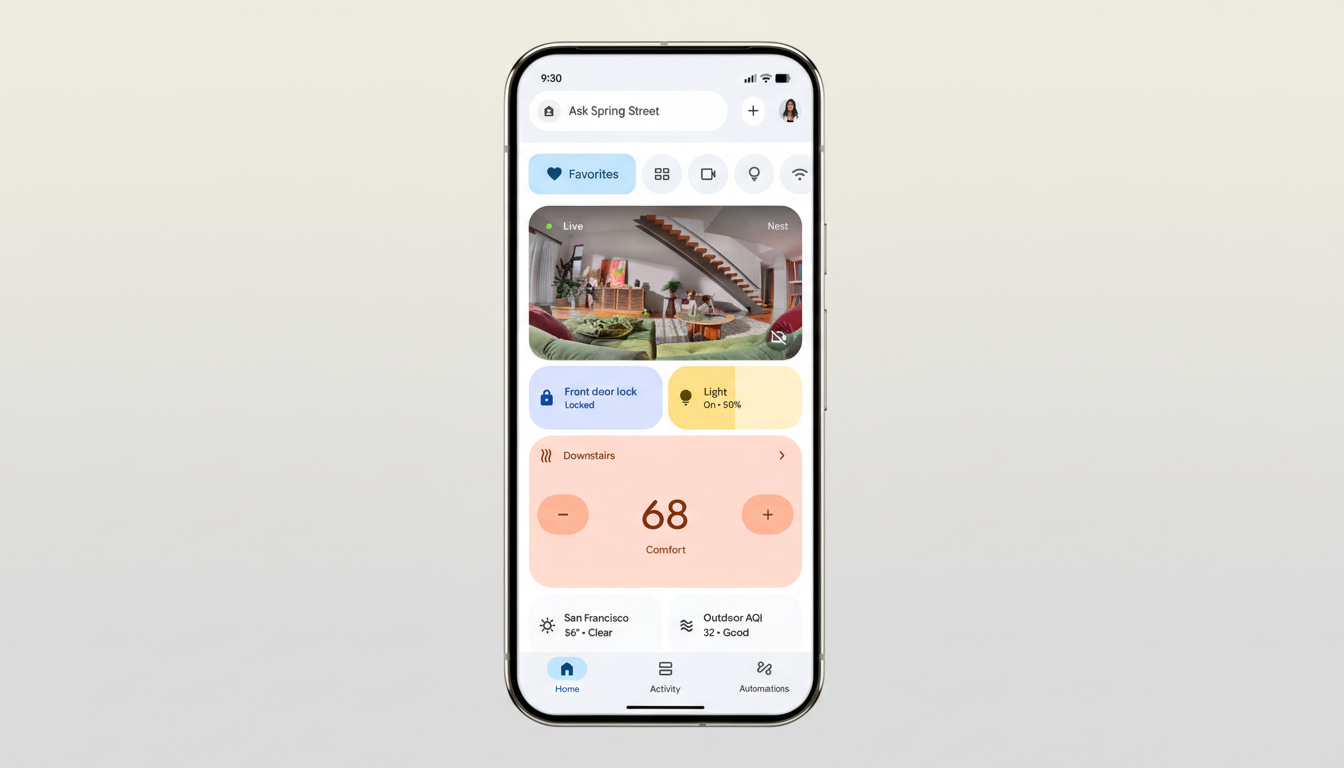
What changes are hinted at in the Google Home app
Strings discovered in the latest Google Home app (version 4.9.51.0) include a clear reference to “Visual home brief,” suggesting Google plans to enhance the recap with imagery and possibly short, AI-generated highlight clips assembled from camera footage. Expect a shift toward timeline thumbnails, event tiles, and grouped scenes that surface the most important moments without making you parse long summaries.
Imagine opening the Home app and seeing a concise reel that flags three deliveries, two familiar faces, and a back-door alert—each with a snapshot and timestamp—rather than scrolling through paragraphs. Gemini could add context by clustering related events, filtering out repeated pet motion, or spotlighting unusual activity detected after your geofenced departure.
Why a visual Home Brief matters for smart homes
Visuals reduce cognitive load and speed triage. Research from MIT has shown humans can recognize images in mere milliseconds, and that advantage translates directly to smart home monitoring: a single thumbnail can tell you whether a notification was a leaf, a neighbor, or a courier. For households with multiple cameras, an image-first digest is simply faster.
Adoption trends make the case as well. Industry research from Parks Associates places networked cameras among the most popular smart home categories, with ownership in U.S. broadband households approaching one in five. As more homes bring video into the mix, an AI-powered visual recap becomes a daily utility rather than a novelty.
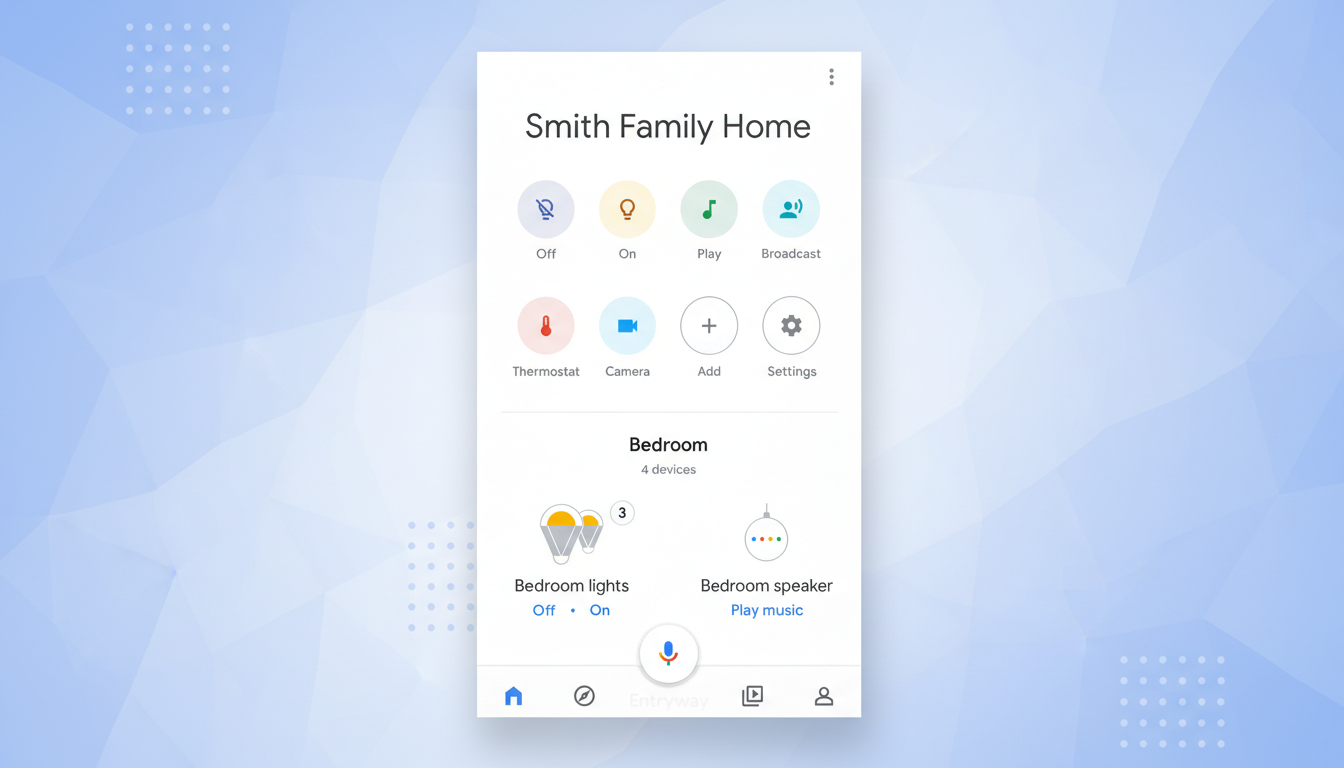
Competitors already lean into visuals. Apple’s HomeKit Secure Video surfaces rich thumbnails and categorized events, while Ring and Arlo provide animated previews and robust timelines. A visual Home Brief would not only meet those expectations but could differentiate by using Gemini to create narrative context—think “package delivered, retrieved by Jamie, door relocked”—instead of disjointed clips.
Privacy and subscription implications to consider
Turning summaries into highlight reels raises familiar privacy questions. Google has emphasized on-device processing for several Nest features and granular data controls via Nest Aware, and a visual brief would be expected to inherit those safeguards: opt-in settings, event-based retention, and per-camera participation. Clear labeling for AI-generated clips and easy deletion tools will be essential for trust.
There’s also the business angle. Home Brief currently sits behind a paid tier, and a more compelling, time-saving recap could make that subscription easier to justify, similar to how familiar face detection and extended video history have anchored Nest Aware’s value. Google has not announced pricing or rollout details for the visual brief, but premium placement seems likely.
What to watch next as Google tests visual briefs
Feature strings typically surface ahead of public launches, and Google often flips server-side switches to enable new capabilities in waves. A limited release through the Google Home preview program would fit the company’s usual pattern, followed by broader availability if feedback is positive.
For now, Home Brief remains text-first. If the visual brief arrives as hinted, it could turn the Home app into a morning dashboard—one tap, a handful of images, and instant situational awareness—rather than a long read. That’s the kind of quality-of-life upgrade that can make smart homes feel genuinely smarter.