


There is growing hype about Google bringing Gemini transformations to Google Home, and a new reader poll reflects why. With the rollout starting this week, and even more of a refresh to Apple’s Home app on the way sometime ahead, a strong majority of smart home fans say that an AI assistant is what will make the most difference.
Gemini Marketed as the Star Feature in New Survey
In a large community poll last week, 67% of people voted that Gemini integrations are the most exciting addition to Google Home — over an app redesign and even over a new smart speaker teased at a hardware event in August. The next anything was a distant second place, and the new Home app only got 12% of the vote.
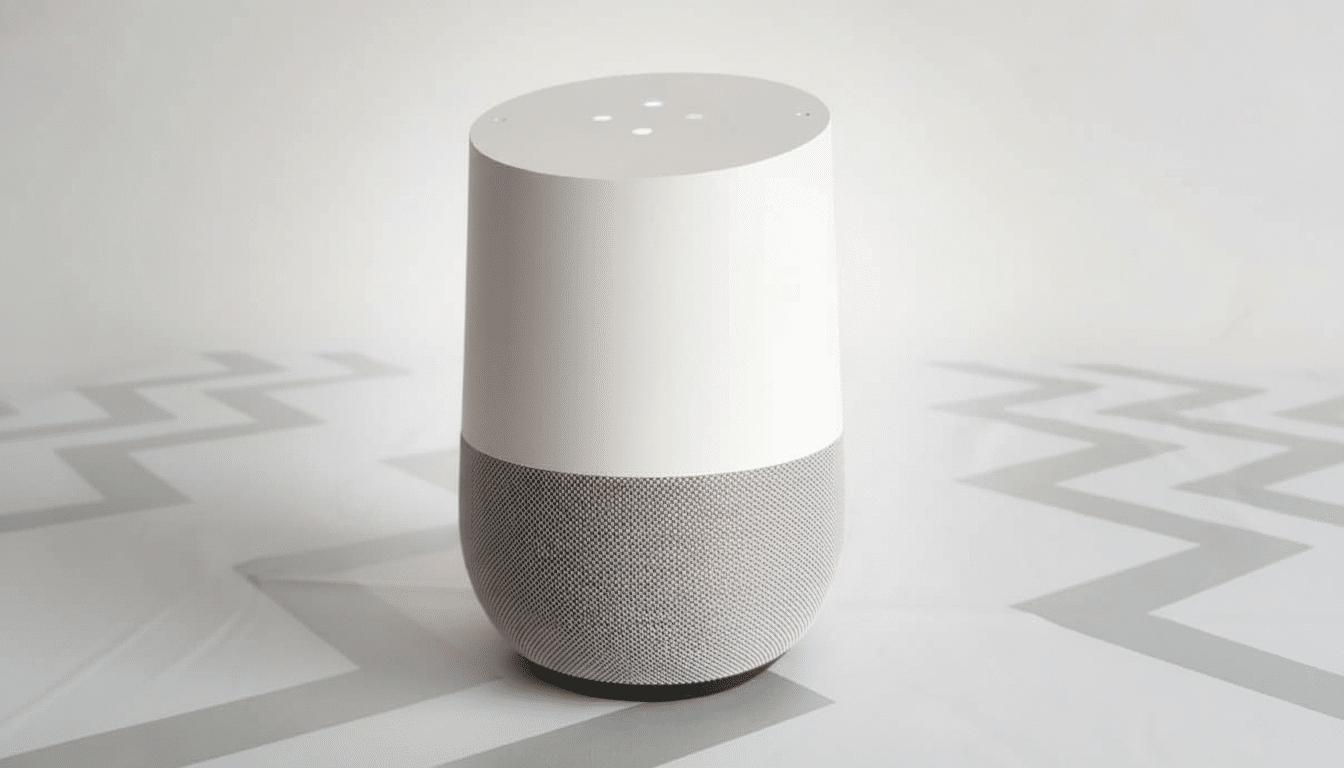
The enthusiasm coincides with an enduring sore point: the old Assistant’s reliability. Voice interactions have become more sophisticated, and users now expect virtual aides to manage context, remember follow-ups, and help them control devices with minimal friction. Gemini, which is based on the newest multimodal AI system from Google, says it aims to close those gaps.
Why Gemini Is the Draw for Smart Home Fans
Gemini's slogan is simple: smarter task execution and more natural conversations. Instead of issuing rote commands, you can now use regular speech and string together demands without having to always reiterate what room or which device you want them in at every point. Requesting that “the living room lights be dimmed a little and warmed up for movie time” should sound natural, not like a trial of syntax.
This matters when dozens of device makers have found a spot in your home. The Home ecosystem includes thermostats, cameras, lights, locks and appliances that communicate with one another, many now using protocols like Matter and Thread. By having Gemini serve as a smarter front end, users will experience fewer misfires and more “it just works” moments, particularly for multi-step routines.
Industry groups like the Connectivity Standards Alliance have stressed how widely used protocols reduce friction, but software intelligence is the other piece. [If an iPhone can] broadcast my room status on Bluetooth accurately enough to change songs in a second or so (clearly usable for dozens of product market segments today), we can surely get lightbulbs that blink. Gartner and Forrester analysts have also called attention to the trajectory toward what they call multimodal AI, an era in which assistants are able to divine context and user intentions more effectively — precisely the kind of feature that could make it so that smart home chores you take on every day start feeling a little less clunky.
Real-World Examples Demonstrate the Potential
Imagine a morning ritual that combines illumination, climate and information. With Gemini, you could say something like “good morning, set the house to weekday mode” and have it cooler in the house at a preset temperature; coffee brewing; a custom briefing read out loud; an alert if the garage door is still open — without you ordering each of those tasks up one by one. If the assistant adds, “You want me to lock the side?” it’s not just obedient; it’s pre-emptive.
Or a security one: “When the porch camera sees a package, turn on the entryway lights, pause the robot vacuum and send me a clip.” Gemini’s ability to grasp the sequence of events, however, and manage edge cases (say, to ignore neighborhood cats), could be the difference between gimmickry and utility.
There Are Still Hardware And App Changes
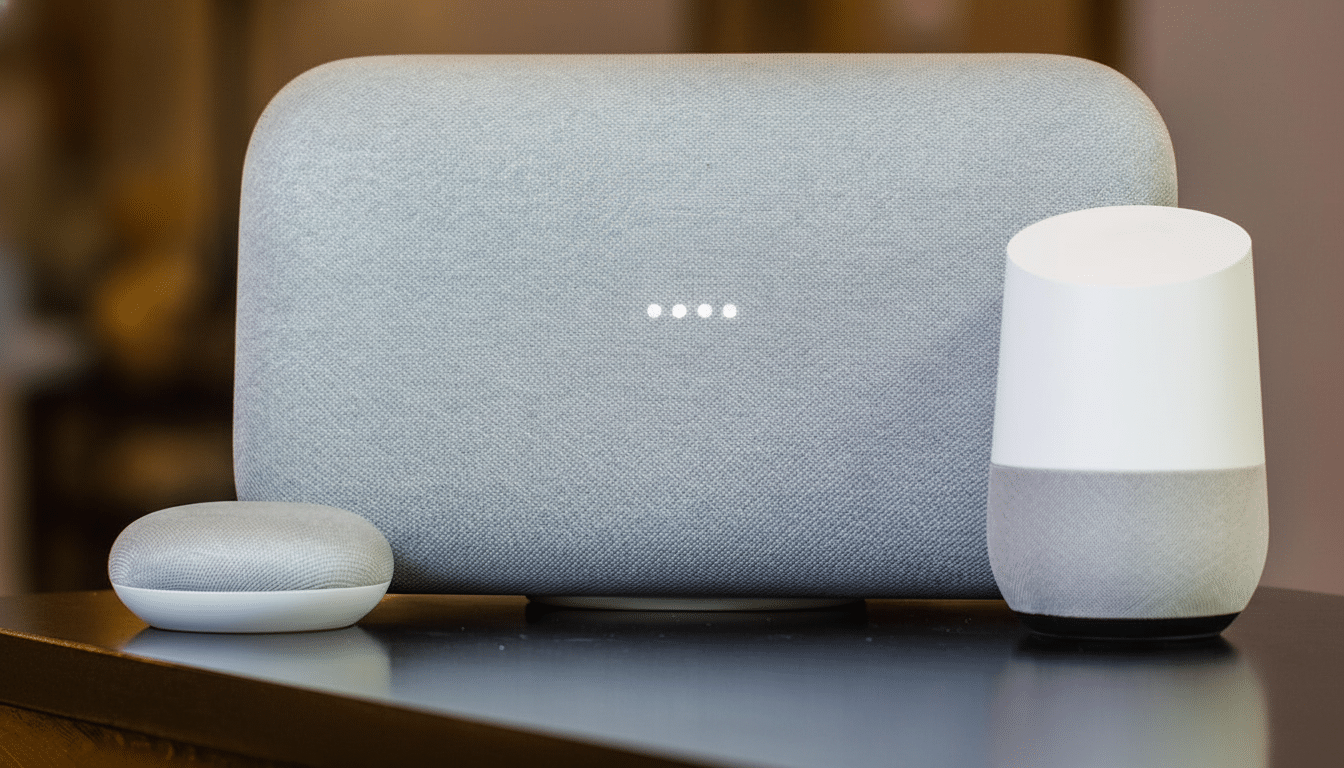
The teased Gemini-powered speaker has gotten some people interested, but the response from the community indicates a pragmatic reality; the real win is whether or not existing speakers and displays are going to obtain substantive new capabilities without needing more hardware.
Backward compatibility often determines whether an ecosystem feels like an investment or a treadmill.
The overhauled Google Home app still serves as an essential addition for power users creating complicated automations, fretting over camera timelines and troubleshooting devices. Even if most day-to-day interactions shift to voice, a cleaner layout and faster controls can help reduce friction. As more and more accessories are added to the network, easy-to-use device management will decide how user-friendly the platform remains.
Caveats Users Are Watching Closely With Gemini Rollout
Not everyone is sold. Some users say that their early experience with Gemini can be a bit rough, and certain niche Assistant features could have been left on the table at launch. Multi-user households will listen for strong voice recognition, and privacy-conscious buyers will seek out clear controls and transparency. Google has evinced a great deal of concern for AI safety and privacy in its AI Principles and support documentation, and on-device processing with models like Gemini Nano is part of the roadmap — but most home interactions are still cloud-dependent, so policy and practice will be under the microscope.
A related practical concern is support by the partner. A well-maintained device integration still isn’t the best assistant — but a poorly maintained one is even worse. Regular updates from those device makers, keeping the faith with Matter and great everyday experiences will be what gets Gemini’s intelligence where it matters: in the lights, locks and appliances people are interacting with every day.
The Takeaway: Why Gemini’s AI Matters for Google Home
A two-thirds majority in any big community poll is a strong signal. People don’t just want a new look or updated hardware; they want intelligence in their homes. If Gemini can deliver good, conversational control and give a second lease of life to legacy devices, then it may well be a sea change for the Home ecosystem. The app refresh and new speaker are appreciated, but the star of the show — by public demand? — is the AI that makes everything else finally feel easy.