


Google’s Gemini is leaving the living room and entering the kitchen. The multimodal AI will debut in Samsung’s new Bespoke Family Hub refrigerator, with a companion showing up in a new AI Wine Cellar. The move indicates Gemini’s shift from digital services to everyday hardware, as computer vision and natural-language reasoning can solve a variety of practical problems that are often messy around the house.
Samsung Is the Leader With Gemini Inside the Fridge
Now it also features Samsung’s new enhanced AI Vision for the Family Hub, which is now being built on top of Gemini and marks Google’s refrigerator debut. The AI-powered machine vision technology known as AI Vision can identify up to 37 different types of fresh food and up to 50 different pre-registered processed items, Samsung has said previously. Using Gemini, the platform can identify many more products, find prepackaged foods without manually entering them, and even add a living inventory of user-labeled items to your list by itself — saving time and reducing the hassle of cataloging what’s in your pantry.
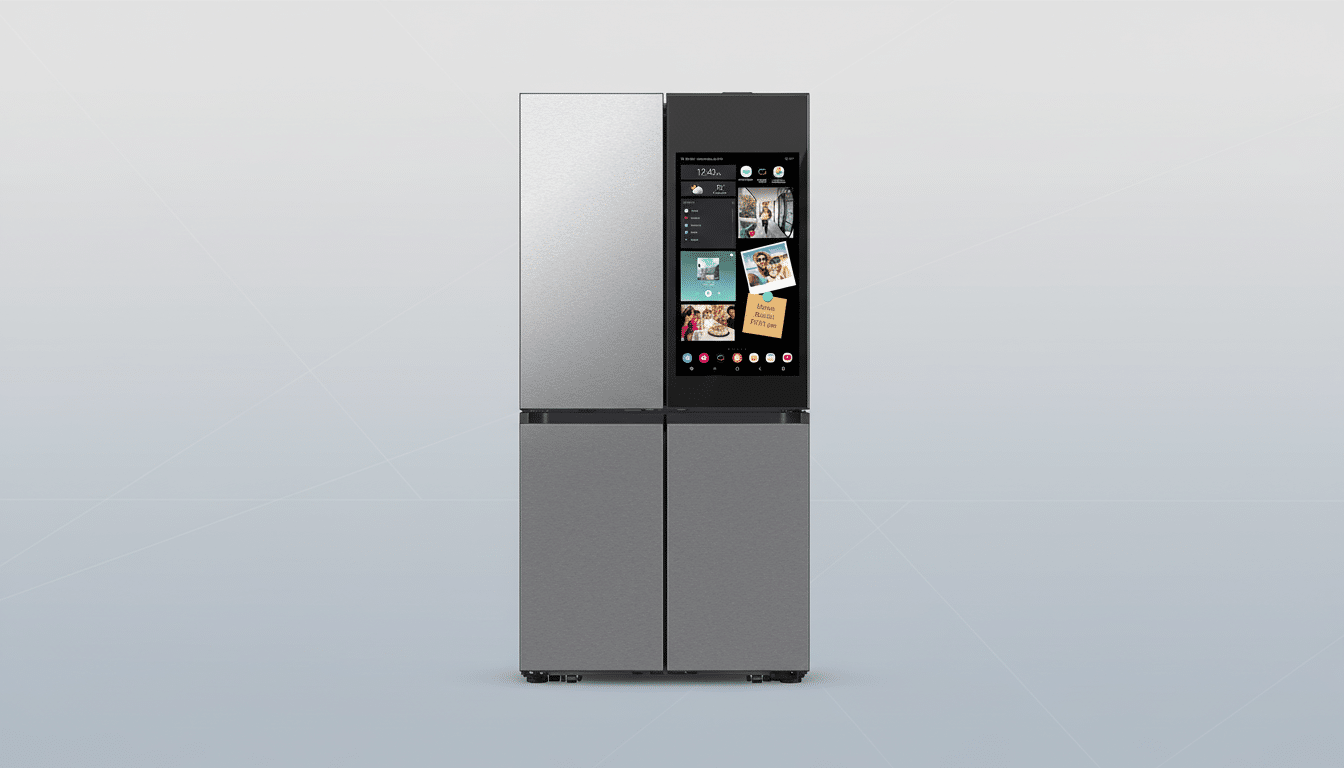
In a practical sense, this means the fridge can “see” what you’ve put inside it for storage, subtract that from your last list of items purchased, and figure out how to proceed. If it knows that you’ve eaten a lot of bananas lately, it might recommend more banana-based meals — or warn you if the ones sitting in your pantry are about to go bad. And because Gemini is multimodal, it can combine visual recognition with natural-language instructions — “Use these two chicken thighs, half a cauliflower, and limes to make dinner in 30 minutes.”
The Bespoke AI Wine Cellar leverages the same Gemini-powered vision stack. A built-in camera detects wine labels as bottles are slid in and out, keeps tabs on their shelf and compartment location, and syncs the catalog with SmartThings’ AI Wine Manager. Collectors: that’s the difference between a static spreadsheet and a living database that knows vintages, storage locations, and drinking history.
Why It Matters for the Modern Smart Home Ecosystem
Kitchen AI is no mere parlor trick. The United Nations Food and Agriculture Organization says that about 33% of the world’s food is lost or wasted. Improved tracking of inventory and timely reminders can help households use what they buy, and over time that accrues to reduced waste and fewer food dollars spent. Gemini’s rationale also extends to voice assistants, making them much more useful: instead of one-command timers and conversions, it can map out a multi-step recipe, tweak for allergies, and match preparation to what needs using in the fridge.
The industry is coalescing to make these scenarios work across brands. The Matter standard, from the Connectivity Standards Alliance, has extended its supported appliance device types and energy feature set such that refrigerators, ovens, and laundry machines can share state data better and respond to routines more simply. Analyst firms such as IDC and Statista are still predicting strong double-digit growth for smart appliances in the coming years, driven by rising demand for connected assistive features across large white goods.
How Gemini Might Run in Everyday Home Appliances
Expect a hybrid design. On-device computer vision can quickly identify items through the appliance’s internal chipset, with Gemini performing reasoning, dialogue, and planning in the cloud for more complex tasks. Manufacturers are now increasingly matching cloud models to even smaller on-device doppelgängers for offline basics, like bottle-label scanning and simple searches online before reaching into the fuller Gemini world available with connectivity.
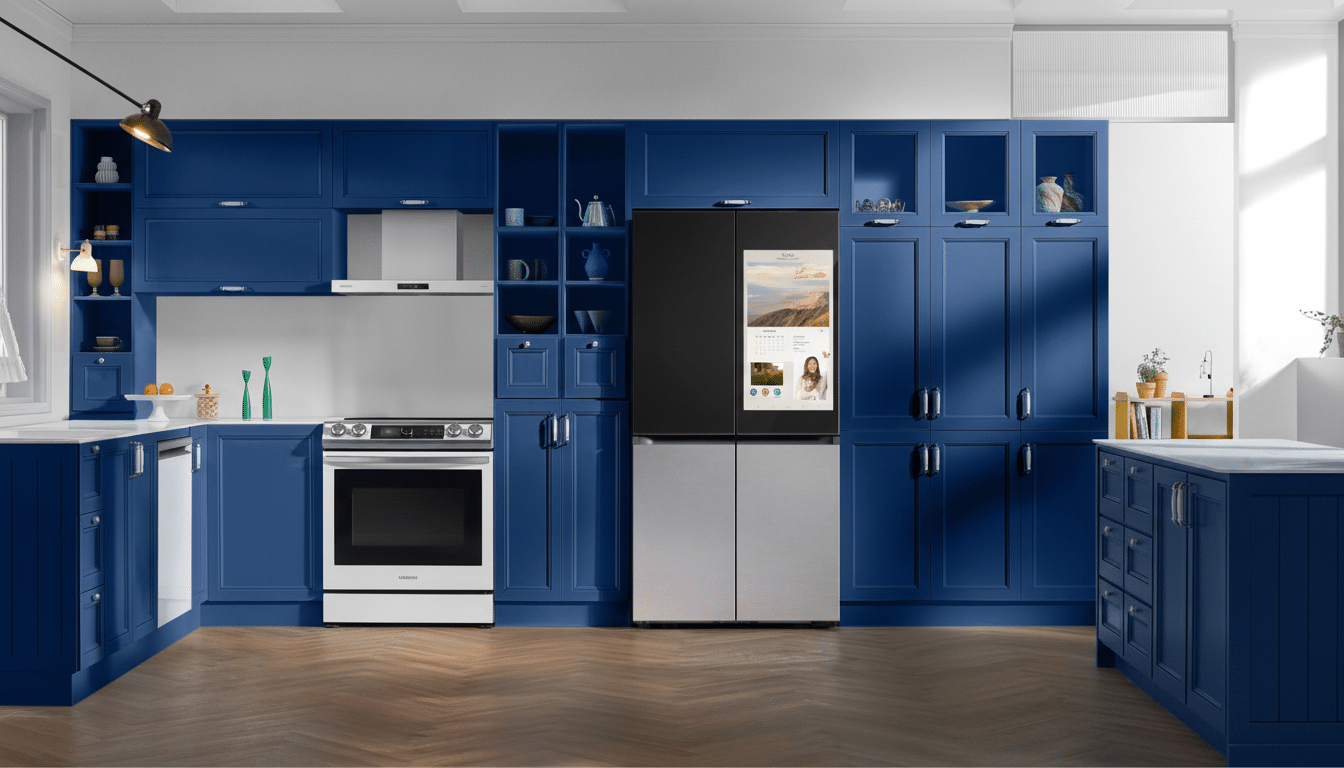
Cameras implanted in appliances bring clear concerns around data processing. The Digital Lab at Consumer Reports has called for clearer data practices around connected devices, and buyers will begin gravitating toward transparent settings, opt-in sharing, and local processing options. Google has stressed multimodal safety guardrails in recent Gemini briefings, and SmartThings still offers granular permission controls — both of which will come under the microscope as AI makes the transition from a smart display on a counter to a camera at your door.
Competitive Landscape and What to Watch For
Early integration by Samsung adds pressure on rivals. LG has been promoting ThinQ and a conversational Home AI Agent, while Whirlpool (which includes Maytag), Bosch, and others multiply the scope of their connected ecosystem through services such as Home Connect. Amazon and Microsoft are also aggressively pushing Alexa and Copilot into more places inside homes. Gemini’s introduction sets the standard for multimodal reasoning and frictionless handoffs between phone, speaker, and appliance.
Things to watch for:
- Language support
- Lag time in real-world kitchens
- Depth of integration with recipe services, delivery apps, and energy dashboards
How quickly third-party services can plug into the fridge’s brain (whether via SmartThings, Google Home, or both) will depend upon developer hooks. It may all come down to price and rollout schedule, on which hinges whether this is the next cycle’s flagship novelty or catch-all feature.
Wherever it lands, Gemini’s appliance debut represents a move of sorts: AI that grasps images, text, and context is officially moving into the most-used electronics in the home. If Samsung and Google pull it off, the smart kitchen may finally be a daily assistant, not just a touchscreen on your door.