


Google is weaving its AI products tighter into Search, rolling out a feature that lets users move directly from AI Overviews to an AI Mode conversation without losing context. In practice, that means a quick AI summary at the top of results can become an interactive back-and-forth the moment you ask a follow-up, with the same query history and sources carried into the chat.
A Seamless Shift From Snapshot To Dialogue
The new experience is designed to feel like one continuous flow. You start with AI Overviews, Google’s generated snapshot that synthesizes top sources. From there, a “follow-up” entry point opens AI Mode—Google’s conversational layer for complex tasks—while preserving the overview’s reasoning, citations, and context. It cuts out the mental gear shift of copying queries into a separate chatbot and re-explaining what you meant.
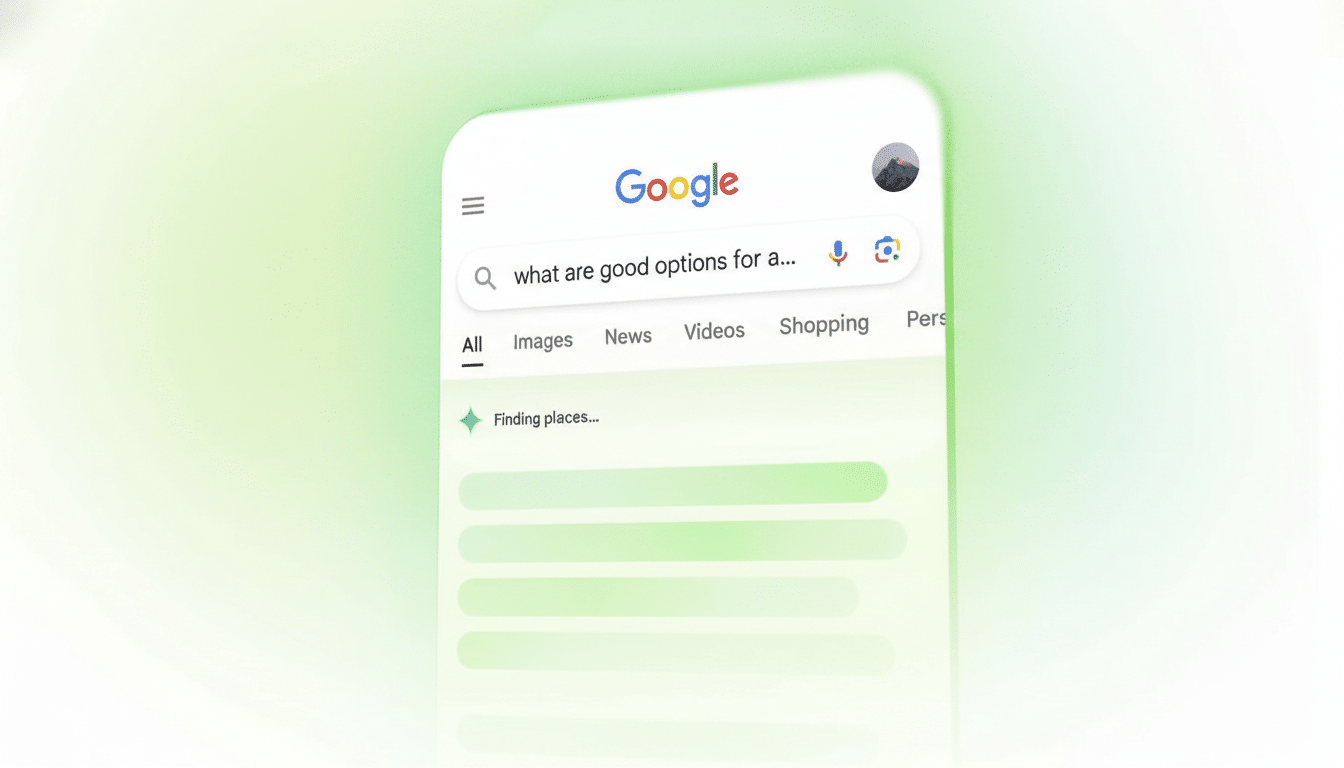
Google says testing shows users prefer this fluid handoff when exploring multi-step questions such as planning a trip, comparing products with nuanced trade-offs, or drafting step-by-step instructions. Robby Stein, VP of Product for Search, characterized the move as making Search feel less static and more like an evolving conversation.
Gemini 3 Now Powers AI Overviews Globally
The company also set Gemini 3 as the new default model for AI Overviews worldwide. Google frames the change as a quality upgrade, promising “best-in-class” answers on the results page. While independent benchmarks for this specific task are limited, the shift suggests Google is betting on model-scale and orchestration to improve factuality, grounding, and the ability to follow nuanced instructions in long, multi-turn sessions.
Expect more consistent grounding to source links and clearer scoping of what the AI can and can’t answer. In previous iterations, users flagged uneven confidence and occasional overreach. A model refresh should reduce those edge cases, especially when the conversation migrates into AI Mode where users push into deeper, more speculative territory.
Personal Intelligence Extends Into Search
This release follows Google’s broader push to blend personal context into its assistant experiences. Personal Intelligence, which can draw from Gmail and Google Photos with explicit user permission, is coming to AI Mode to tailor answers—think reconciling a travel idea with flight confirmations in your inbox or surfacing dates from photo memories. The capability debuted in the Gemini app and is now edging closer to mainstream Search use.
Crucially, Personal Intelligence is opt-in and scoped. Google says users can review, pause, or revoke access, and that signals like web and YouTube history can be toggled. Privacy groups will scrutinize how consent is presented and whether data access stays within clearly defined boundaries, especially as the conversational handoff makes these features feel native to Search.
What It Means For SEO And Discoverability
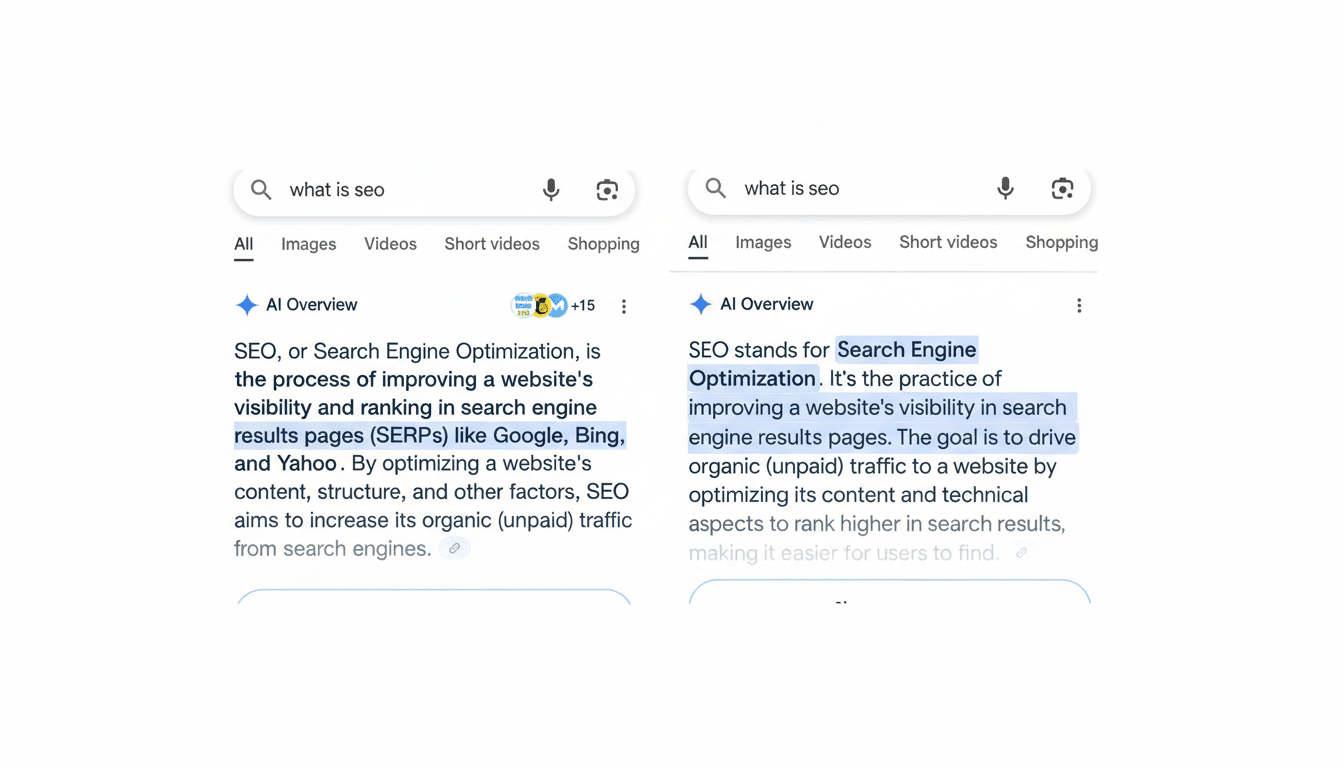
For publishers and brands, the conversation-centric flow raises familiar questions: if users remain in the AI layer longer, do fewer clicks reach the open web? Google maintains that links remain central, with AI Overviews and AI Mode both citing sources and suggesting next clicks. The company’s own user studies indicate that well-cited answers improve trust and can channel traffic to authoritative sites.
Still, the experience funnels attention toward AI-rendered summaries. With Google responsible for the lion’s share of global search—around 90% by StatCounter measures—small shifts in interface design can have outsized impact on traffic patterns. Expect site owners to watch how often their links appear in overview citations and how frequently conversations surface deep links versus generic advice.
How The Handoff Works In Real-World Practice
Imagine you search “best compact cameras for low light.” AI Overviews synthesizes pros and cons, lists options, and links to reviews. Tap the follow-up prompt—“Help me pick under $800 with fast autofocus”—and AI Mode continues the thread, filtering options, explaining trade-offs, and pulling in the original citations. Ask for a comparison chart or a packing checklist, and the chat refines without forcing you back to square one.
The same applies to planning tasks. Start with “three-day Kyoto itinerary,” get a high-level plan, then jump into AI Mode to adapt it to a rainy forecast, dietary restrictions, or train timetables. The value isn’t just the answer—it’s the ability to iterate quickly without losing the research trail.
Availability And The Road Ahead For AI Overviews
Google says the conversational jump is rolling out now alongside the Gemini 3 shift for AI Overviews. The company recently extended AI Overviews to Gmail via an AI Inbox, further blurring the line between search, assistant, and productivity apps. As these features converge, guardrails—clear citations, controllable personalization, and transparent limits—will determine whether users embrace AI Mode as a reliable co-pilot rather than a black box.
The direction is clear: Search is becoming a living dialogue. If Google can balance speed with accuracy, preserve pathways to the open web, and keep user control front and center, this handoff from overview to conversation could become the default way people investigate the world online.