


Google is retiring its longstanding 30% service fee on Play Store transactions, cutting the base rate to 20% and, in some cases, to 15%, with subscriptions dropping to 10%. The shift arrives alongside policy changes that let developers steer users to their own billing systems or websites. For everyday Android users, the question is simple: will this lower your app and subscription costs?
What Changed and Why It Matters for Google Play Users
The headline cut is straightforward: most in-app purchases that once carried a 30% platform fee now face a 20% take, with some categories seeing 15%. Recurring subscriptions move to 10%. That reduces the platform toll developers pay to sell digital goods and services through Google Play.

This overhaul follows Google’s courtroom loss to Epic Games and comes as regulators worldwide press app store gatekeepers. Google says the new approach maximizes choice and safety by allowing developers to use their own billing or guide users to pay on the web—long a sticking point in antitrust fights over “anti-steering” rules.
Will Prices Actually Fall for You as Fees Decline
They could, but it’s not guaranteed. Developers choose end prices, and many may pocket savings to fund growth, support, or marketing. That said, lower platform fees typically create room for price moves—especially for subscription services and content apps operating on thin margins.
Look for two kinds of savings. First, some apps may simply lower in-app prices as fees decline to 20% or 15%. Second, and potentially bigger, you may see discounts when paying outside the app. With steering allowed, developers can offer web sign-ups that avoid higher app store fees entirely. In markets where alternative billing has been tested, several services have offered small but meaningful web-only discounts or extra months of service to incentivize switching.
Scale matters here. Market trackers like data.ai estimate that consumer spending on Google Play totals tens of billions of dollars annually. Even a modest average price reduction across popular subscriptions could shift hundreds of millions of dollars back to users or into new features, creator payouts, and support.
New Flexibility, More Choices, and Some Trade-offs
With more billing routes, you’ll likely encounter clearer prompts to subscribe on the web. Expect streamlined web checkouts, promotional bundles, and annual plans priced to undercut monthly in-app rates. For power users—think productivity suites, creative tools, cloud storage, language learning, streaming, and dating apps—the savings can compound over a year.
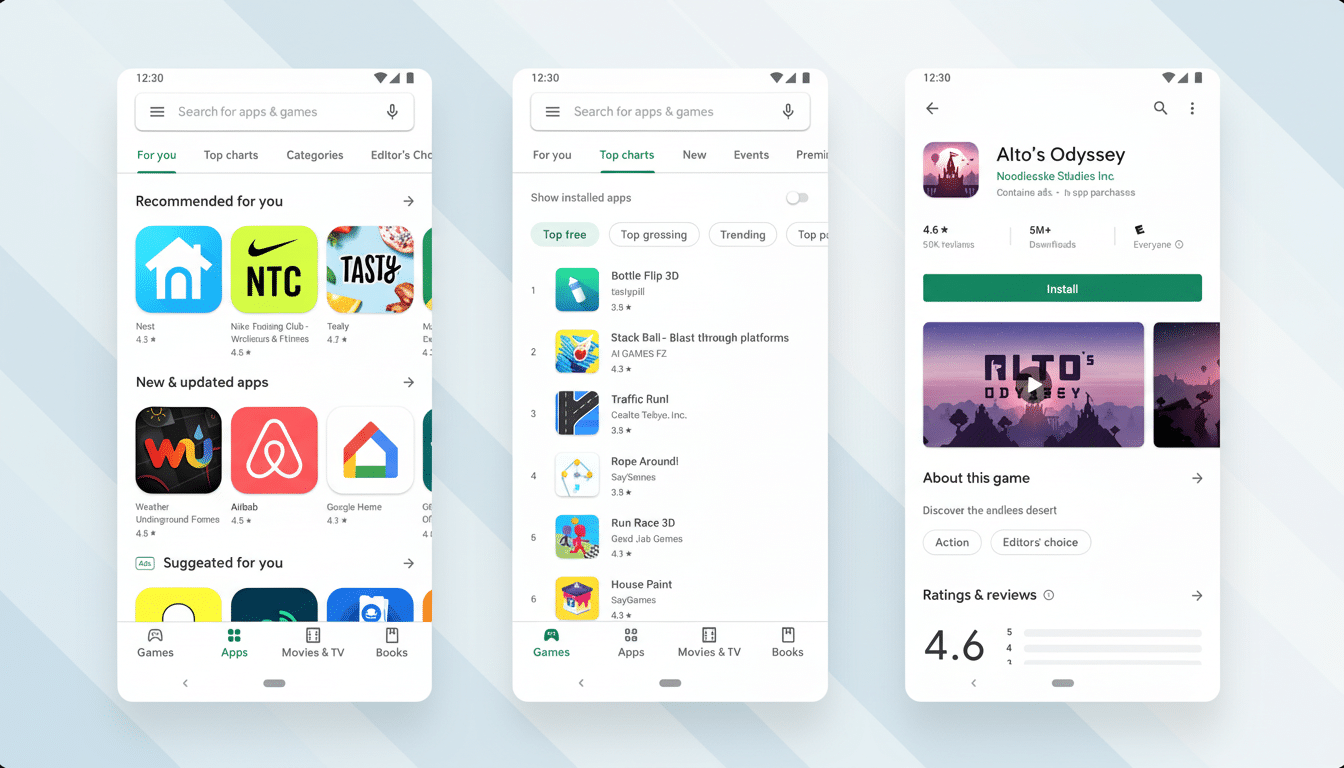
There are trade-offs. Paying outside Google Play can mean different refund policies, separate customer support, and fewer conveniences like Family Library sharing or centralized subscription management. Fragmentation can also increase the risk of phishing or fake checkout pages. Stick to official app links, confirm the developer’s brand, and enable two-factor authentication on payment accounts.
Impact on Developers and Competition in App Markets
For developers, the math improves. A move from 30% to 20% can turn a barely break-even app into a sustainable business, and a 10% subscription fee meaningfully shifts lifetime value. Expect more experimentation with freemium tiers, price localization, and bundling. Small studios gain runway; larger platforms gain flexibility to negotiate and market directly.
Competition should intensify. With steering permitted and fees lower, alternative payment providers and third-party app stores become more viable. That dynamic aligns with broader regulatory pressure—from the European Union’s Digital Markets Act to ongoing scrutiny by competition authorities—that aims to loosen app store lock-in and increase consumer choice.
What to Do Now to Save on Apps and Subscriptions
Compare prices before you buy. If an app nudges you to subscribe on the web, check whether the web price is lower or comes with a longer trial. Consider annual plans if the math works for your usage. If you already pay in-app, evaluate whether canceling at the end of your billing period and re-subscribing on the web trims your costs.
Keep receipts organized. If you split payments between Google Play and direct billing, track renewal dates and support channels. And when in doubt, verify offers via the developer’s official site or in-app help to avoid impersonation scams.
The bottom line: Google’s fee cuts and new billing flexibility don’t automatically lower prices, but they open the door. As developers recalibrate, the savviest users—those who compare plans and pay attention to where they buy—stand to benefit first.