


Google has closed the lid on weeks of speculation about call recording on Pixel phones, officially supporting the feature and outlining how it will be used in its renewed Call Assist offering.
The company said that Pixel phones from the Pixel 6 and newer could offer native call recording within Call Notes, while new apps and services take advantage of on-device capabilities like AI-powered screening and note-taking.
- Google begins pilot testing of call recording on Pixel phones
- Regional consent laws still matter for call recording
- How this compares with other Android brands
- Call Notes and Android Auto are the next additions
- What Pixel users can expect from these updates
- The bottom line for Pixel call recording and notes
Google begins pilot testing of call recording on Pixel phones
Welcome to the club, Google.
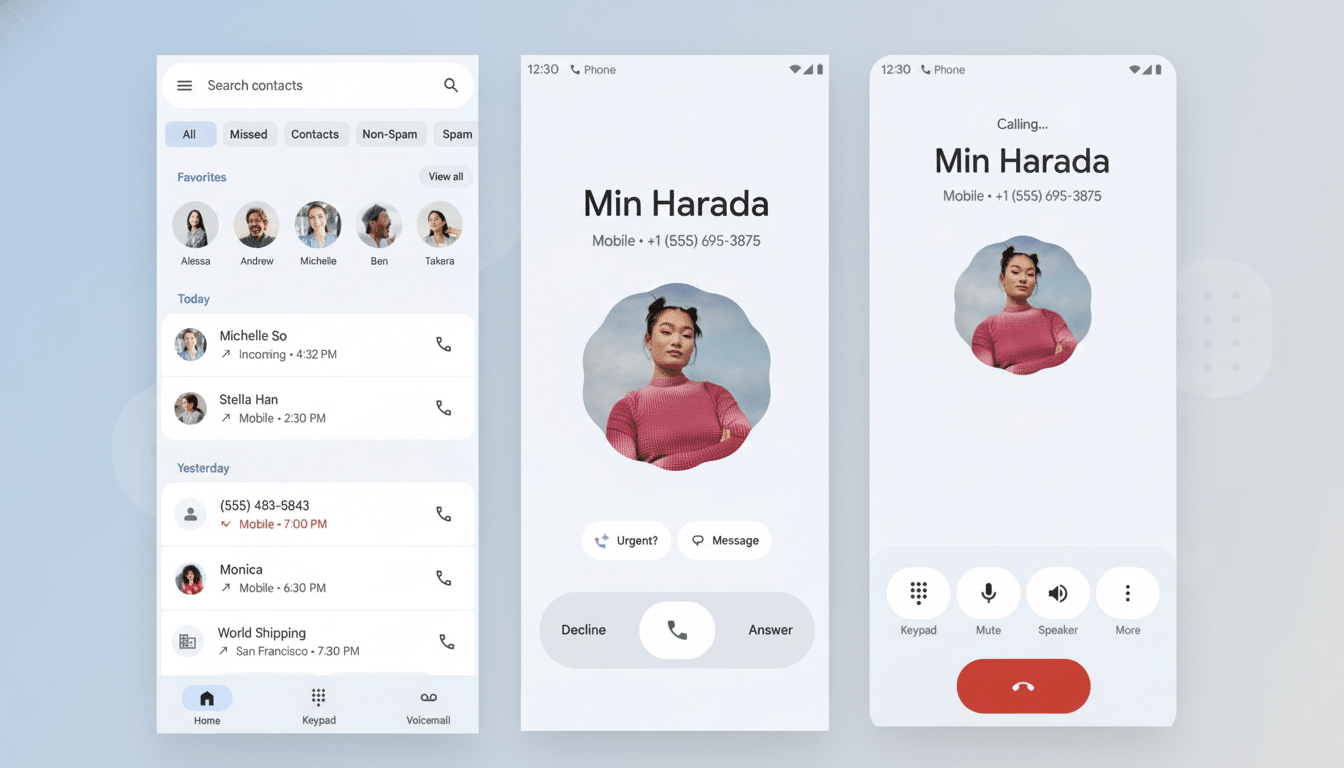
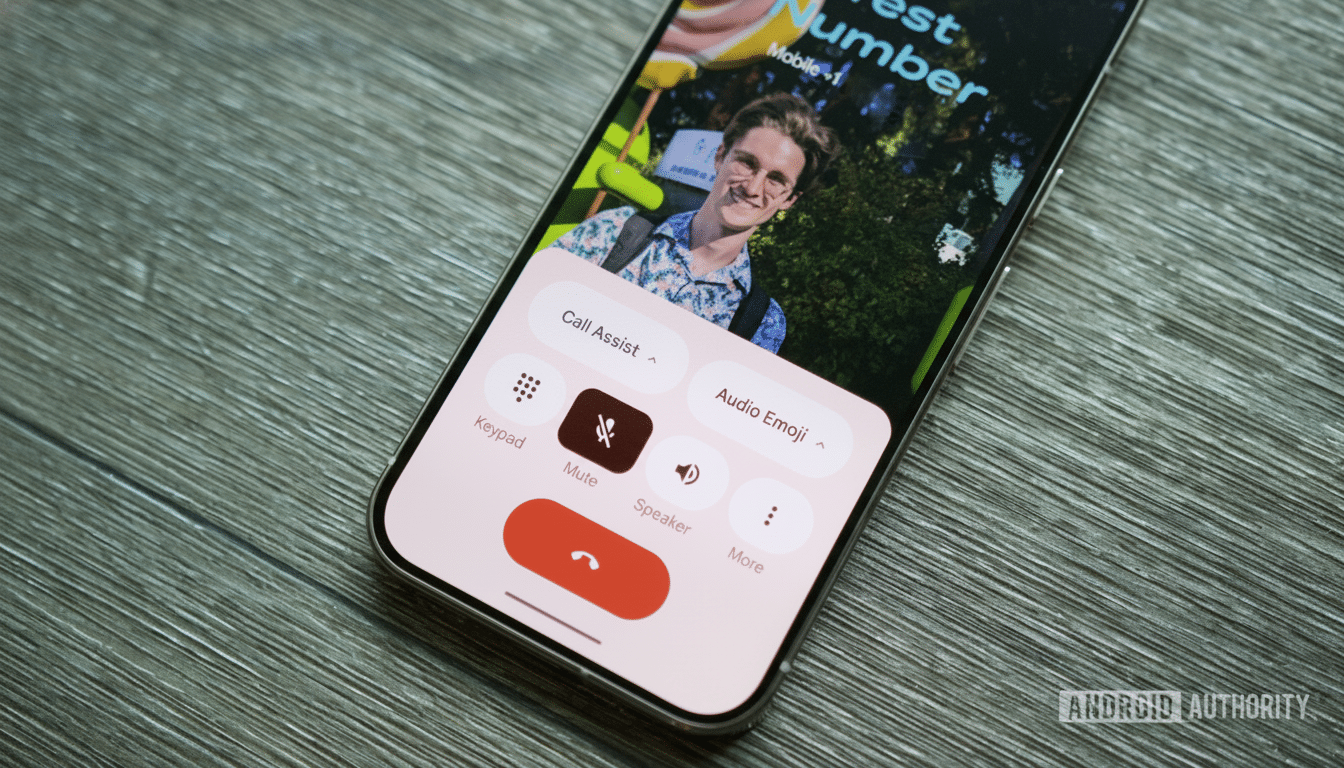
On Monday, as part of a refreshed list of company announcements and acknowledgments Google has published recently, we were alerted to the news that Big G is rolling out access to the built-in voice recording function in its Phone app across more devices in its Pixel family. On supported devices, users will now see a “Record” button when in a call, which will play an audible notice that the call is being recorded for both sides of the call. Local recordings are stored, and you can even find them from your call history.
The interesting spin is how Google is offering call recording in relation to Call Notes, the recently introduced feature that jots down significant portions of a conversation. If hardware or regional limitations prevent Call Notes (a feature Google said would be up to the discretion of individual OEMs), Google will now default to offering regular call recording as a fallback on Pixel 6 and later. It’s a practical step that leaves in place a core utility even when more advanced AI capabilities are lacking.
Regional consent laws still matter for call recording
Call recording lives in a murky middle ground that differs from place to place. In the United States, most states use one-party consent, while a dozen adhere to all-party consent. Under GDPR, European authorities generally consider recorded calls to be personal data and require transparency and purpose limitation. Other markets, including India and Australia, require either explicit consent or audible tones. Organizations such as the Electronic Frontier Foundation and consumer protection agencies suggest letting all parties know and holding onto recordings.
Google’s notification is meant to aid, and the onus is still on the caller. Thanks also to its previous enforcement, which has included clamping down on third-party recording through the Accessibility API, the company’s unofficial stance suggests it prefers a locked-down approach over a free-for-all. Even with more support, you might find restrictions based on local laws and carrier rules.
How this compares with other Android brands
Other companies have long gone region first. The Korean tech giant’s dialer has native recording in a lot of places but disables it where regulators or carriers protest. Xiaomi and Oppo have provided similar toggles linked to market rules. Google has historically taken a more conservative approach, highlighting features like Call Screen, Hold for Me, and Direct My Call — tools that reduce friction without introducing complex compliance scenarios. Returning broader recording to Pixels, while maintaining those disclosure protections, fills a gap power users often pointed out.
It also heals a pain point from previous platform shifts that had consistently limited third-party recorders. For anyone who conducts interviews and needs conversation transcription, or who works in customer service, or as a freelancer, or for startups — the fact that there’s finally a near-foolproof option is cleaner and easier than having to juggle workarounds that might break with each new version of Android.
Call Notes and Android Auto are the next additions
Google is also taking the Call Assist story beyond the phone. The company says Call Notes will be featured in Android Auto with call screening, to bring real-time assistance directly in the car. That adds up: taking notes during calls is unsafe, and behind the wheel often illegal; a light, glanceable summary could be a useful step up for commuters and field workers.
Details are scarce, but Call Notes on Android Auto is bound to optimize for clear voice prompts, minimal distraction, and privacy; the app will email you with a suspicious level of information; most likely on-device processing where possible. Just like recording, consent and disclosure will be key.
What Pixel users can expect from these updates
Features like this roll out typically come with updates to the Phone app or in Pixel Feature Drops. If your device is compatible, you’ll have a recording option in the in-call screen and in the app’s settings. At the start of each recording, an announcement from the system plays (you can’t switch it off where it is mandatory).
To get the best results, make sure your Phone app is up to date, check local consent rules for recording, and pay attention to storage hygiene — recordings can eat up space quickly. Businesses should have policies in place for when and how to record and store calls, based on advice from regulators and industry standards.
The bottom line for Pixel call recording and notes
Google’s clarification also offers Pixel owners a more transparent way to make a feature many have desired a reality, without running afoul of the sorts of compliance crossbars that the gadget universe increasingly requires players within it to erect — and not climb over just yet.
More wide-ranging call recording, a cleverer Call Notes safety net, and an impending integration with Android Auto all indicate Google is trying to turn Call Assist into something approaching a full-on communications platform rather than just another few neat tricks. For users, that translates to fewer workarounds and more reliable tools where they’re needed most: on the call, in the moments after you hang up.