


On the Golden Globes red carpet, a quiet but unmistakable protest unfolded. Dozens of attendees arrived wearing small “Be Good” and “ICE Out” pins, a coordinated action calling attention to Immigration and Customs Enforcement operations and a recent string of deadly encounters that have alarmed civil rights advocates. The display centered on the #BeGood campaign, organized by a coalition that includes the ACLU, Working Families Power, National Domestic Workers Alliance, MoveOn, Maremoto, and entertainment allies.
The campaign’s message is blunt: protect communities, stop the escalation of raids, and hold agents accountable. It also memorializes people killed in ICE-related incidents, including Minneapolis legal observer Rene Good and Keith Porter Jr., whose deaths helped catalyze the effort.
- Pins on the Golden Globes Red Carpet Send a Quiet Message
- Which Stars Joined the #BeGood Action and Why It Mattered
- What the #BeGood Campaign Demands From ICE and Policymakers
- The Broader Context Behind Calls to Change ICE Operations
- Awards Shows as Platforms for Policy Messages and Protest
- What Comes Next for #BeGood During the Awards Season
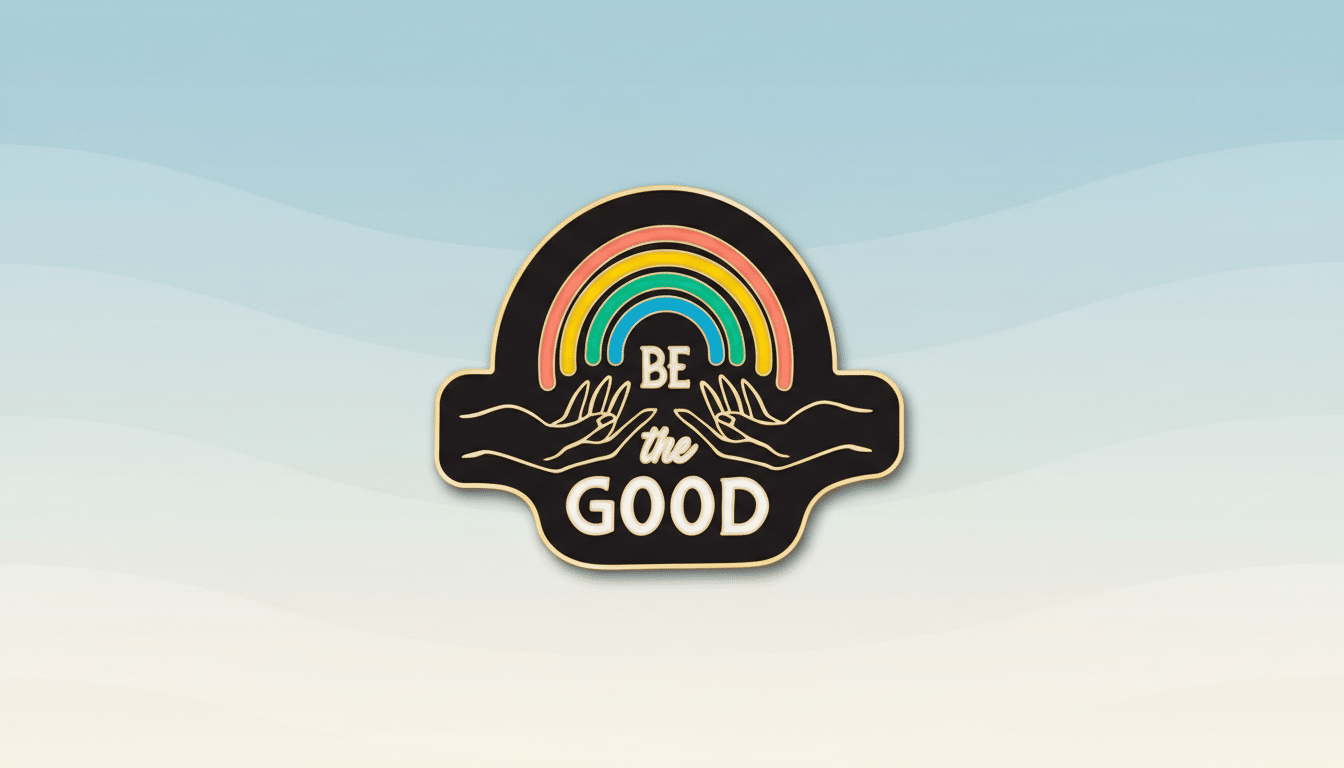
Pins on the Golden Globes Red Carpet Send a Quiet Message
Unlike speechifying from the podium, the pins relied on the power of proximity—close enough for cameras to catch, subtle enough to fit black-tie attire. Some stars placed the pins on lapels; others fixed them to clutches and handbags. A few opted to reveal them during the live broadcast, ensuring the message reached a wider audience.
Organizers told NPR they leveraged long-standing ties with artists and publicists to distribute pins ahead of the event. “Artists show up for justice,” explained Nelini Stamp of Working Families Power, describing a networked approach that moved quickly through awards-season touchpoints.
Which Stars Joined the #BeGood Action and Why It Mattered
Participants spanned genres and generations. Mark Ruffalo, long active in social movements, signaled that he couldn’t treat the moment as business as usual and dedicated his presence to those harmed by ICE. Jean Smart, an honoree on the night, urged composure and moral clarity, telling press that keeping collective “cool heads” in turbulent moments takes courage.
Comedian Wanda Sykes framed the pins as a call to mobilize beyond the carpet, saying the public must confront what she described as a “rogue” posture by federal agents. Natasha Lyonne emphasized resisting normalization of aggressive enforcement, invoking the names of victims and the values of community safety and free expression.
Tessa Thompson highlighted the pins both on the carpet and on social media. Ariana Grande brought an “ICE Out” badge into focus during the ceremony, joining those who timed their reveal for the telecast. Bella Ramsey, who has previously spoken about industry inclusion and global conflict, also wore the pin in the room—amplifying the message to viewers at home.
What the #BeGood Campaign Demands From ICE and Policymakers
#BeGood’s organizers are pressing for immediate steps they say would reduce harm:
- End operations near sensitive locations like schools, hospitals, and places of worship
- Increase transparency around use-of-force incidents
- Create independent oversight for detention and field operations
They also want policymakers to reorient immigration enforcement toward community safety instead of volume-driven deportation goals.
The coalition credits grassroots legal observers, immigrant worker groups, and faith networks for documenting incidents and supporting families, and is using the awards circuit to bring those stories to a mass audience. The pins, they stress, are a conversation starter—not a finish line.
The Broader Context Behind Calls to Change ICE Operations
Advocates and journalists tracking federal data say deaths in ICE detention rose sharply over the last year, with at least 32 people reported, the most in any recent year. Oversight bodies, including the DHS Office of Inspector General and the Office for Civil Rights and Civil Liberties, have repeatedly flagged gaps in medical care, use-of-force documentation, and facility oversight.
TRAC at Syracuse University has documented swings in arrests and detentions that map closely to enforcement directives, while the American Immigration Council has chronicled how policy shifts ripple into court backlogs and prolonged confinement. Civil rights groups argue that intensified tactics—particularly near historically protected sites—erode trust and deter immigrants from seeking health care and education.
Awards Shows as Platforms for Policy Messages and Protest
Hollywood has a recent history of wearable protest. The black attire of the Time’s Up moment, blue ACLU ribbons, and ceasefire pins at other ceremonies have each turned red carpets into civic stages. The #BeGood effort fits that lineage while centering a specific policy target—ICE operations—and a moral frame grounded in communal care.
For studios and guilds, these moments also test how the industry supports off-screen safety, from providing immigration resources for workers to backing storytelling that reflects lived realities. The pins hint at a wider institutional conversation now underway.
What Comes Next for #BeGood During the Awards Season
Organizers say the campaign will continue throughout awards season, with additional activations planned and pressure on lawmakers for oversight hearings and transparent investigations into recent shootings. Expect more pins at upcoming ceremonies—and a push for tangible commitments from public officials and industry leaders alike.
If the goal was to make immigration enforcement unavoidable in America’s living rooms, the Golden Globes succeeded. The message was concise enough to fit on a pin and pointed enough to spark a national debate: be good to the people who call this country home, and hold power to account when it is not.