


Google is taking its generative AI to the living room with Gemini for Home, and most of our current devices are expected along for the ride, says the company.
The update will supplant Google Assistant on eligible devices while expanding smarter, more conversational control to cameras, video doorbells, and speakers—namely, the majority of older Nest gadgets from over the last decade.
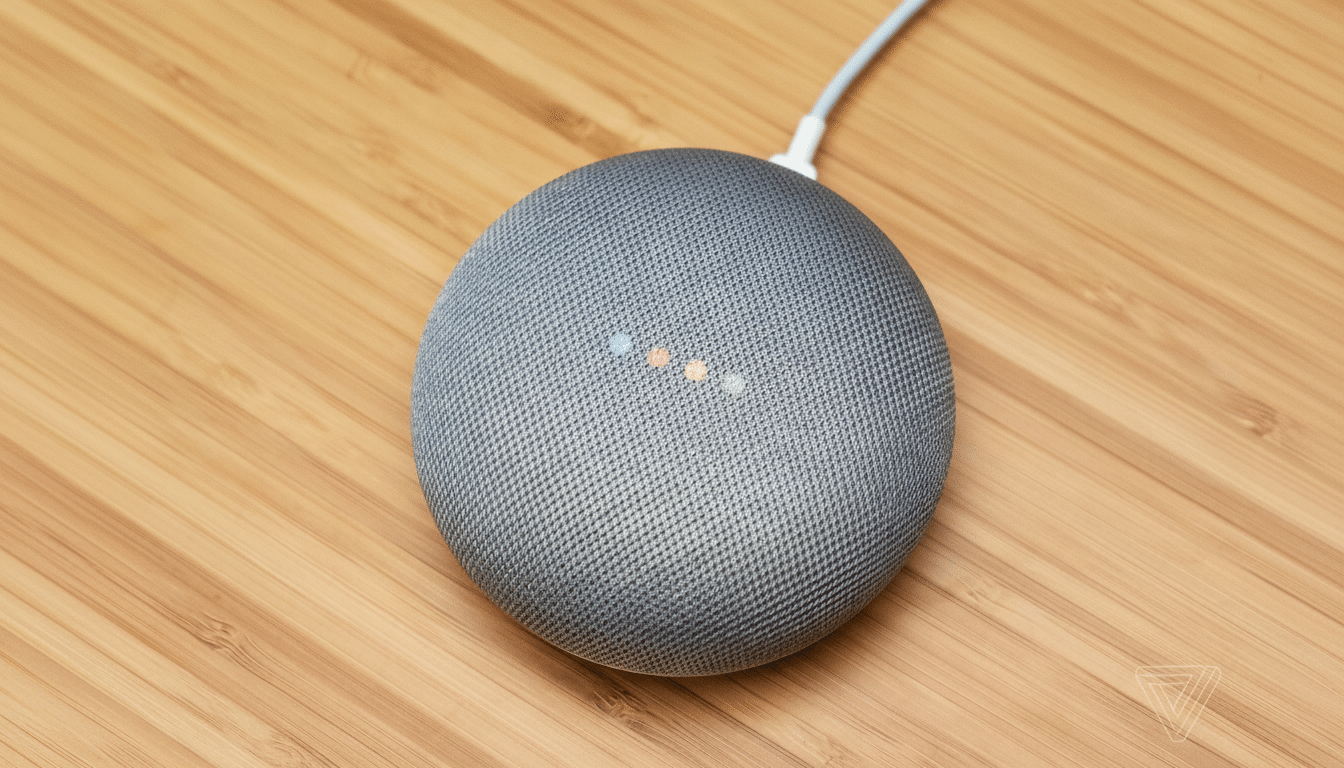
Rather than being limited to commands, you can ask questions in the most natural way and receive answers in context. Think fewer toggles and routines deep in menus, more conversations with a house that knows what you mean, not just what you say.
What Gemini Does in Google Home and Why It Matters
Google Home can do more than just talk, thanks to Gemini. Notifications are richer and more descriptive, with new, more natural voices that make interactions sound less like an interface and more like a conversation. The assistant is capable of navigating complex, multi-step questions—“What time did the kids get home?”—then following up with relevant clips or summaries instead of a vague motion alert.
Security smarts are a standout. With Home, you can ask questions like “Did something eat my plants?” and Gemini will trawl your video history to find the moment that couldn’t be missed. It can also provide you with short descriptions of what’s happening, so scrolling in a timeline is much faster and less brain-numbing.
On some devices, Gemini Live will provide back-and-forth assistance in real time. Although not every supported model has been listed by Google, the company says conversational mode will be available on an as-yet unspecified set of hardware, alongside the wider Gemini for Home update.
Backwards Compatibility And Supported Gear
Google says all of its Google Nest hardware from the last 10 years will be compatible with the new experience. Many old cameras, doorbells, and speakers should also get the benefits, alleviating some pressure to buy new gear just to unlock AI features. That is an unusual stance in a smart home market where it is common for devices to age out after a couple of software cycles—and one that is likely to play well with households that have mixed generations of Nest equipment.
On the technical side, it will be a combination of on-device and cloud processing, depending on the model and possibly the feature. Google has traditionally woven together both options in Nest features like activity detection and familiar face alerts, trying to strike the right balance between latency and privacy with powerful analysis when it’s called for.
Subscriptions and AI Features for Google Home Users
With the new plan comes a Home Premium subscription in two tiers, Google said. The $10-per-month Standard plan includes:
- Gemini for Home and Gemini Live
- Automation tools
- 30 days of event video history
- Intelligent alerts and familiar faces
- Garage door detection and package detection
- Smoke and CO alarm detection
- Alerts with zoomed-in previews
The Advanced subscription costs $20 a month and includes Google One perks. It adds:
- Ask Home
- AI notifications for more devices that detect motion or sound
- AI-powered descriptions of clips and the Home Brief daily recap
- 60 days of event history
- Continuous 24/7 video history
For power users, being able to search historical footage in plain language is a significant improvement over conventional time-based scrubbing.
These Home features will also be augmented with Google AI Pro and Google AI Ultra as part of the package, according to Google. For existing Nest Aware users, pricing parity will help cushion the transition, but households will still need to decide if they require full-time recording or merely event-based history.
New Nest Hardware Arriving Soon to Complement Gemini
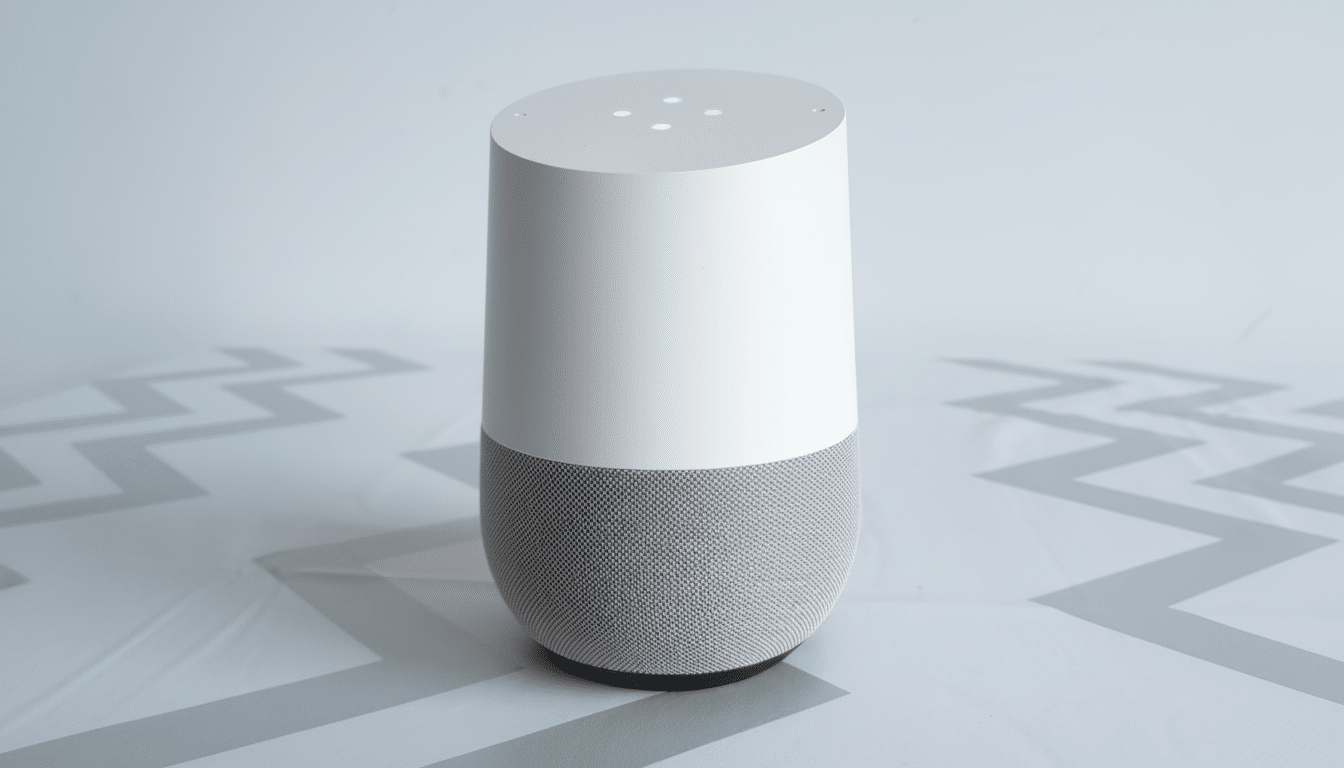
As a complement to the software change, Google teased a new Google Home Speaker coming in at $99, with 360-degree audio, four color options, and the ability to be used as an external audio output for a Google TV Streamer. The two are clearly designed to mix assistant duties with better living-room audio.
New Nest Cams—Indoor and Outdoor—also shift to 2K resolution, available with a wider and taller field of view in order to see more. At the same time, Amazon will be releasing a new Nest Doorbell with a 1:1 aspect ratio that allows for head-to-toe frames as well as package zones.
Zoomed-in notification previews come standard. Additional budget-friendly offerings include an onn Indoor Camera for $23 and an onn Video Doorbell for $25, via a retail partnership.
Why This Matters for Everyday Smart Home Users
Generative AI cuts the friction that makes many smart homes, ironically, not that smart. Instead of having to figure out and build opaque rules, with Gemini you tell it: “Help me feel safer,” and Gemini will suggest lighting, camera, or notification automations. Or tell it, “Make it look like someone’s at home when the house is empty at night,” and it will order around lights and speakers to make the place seem occupied.
When it comes to monitoring, however, the jump from “motion detected” to events that are described and searchable is a big one. A pet owner might inquire, “Which camera was the last to spot the dog?” and skip straight to the relevant clips. A parent might commission a Home Brief for an abbreviated rundown of memorable activity, sized or focused to order.
The promise of backward compatibility is just as crucial. It helps extend the lifespan of customers’ older Nest gear and meshes with broader industry trends prioritizing longevity and interoperability—something consumers seem to get steadily more frustrated about. Should Google nail the experience and deliver low latency, Gemini for Home could be a new standard of what a mainstream smart space ought to feel like.