


Walmart’s GeForce Week is discounting a plethora of Nvidia-powered gaming gear, from entry-level bargains to high-end rigs designed for 4K and high-refresh play. If you’ve been holding off on a graphics card upgrade or are interested in a prebuilt PC or even something like a portable gaming laptop, this event brings substantial price drops across existing-gen hardware.
Past the sticker prices, the timing makes sense: new-generation GPUs have pressed down on older models, and mainstream parts are finally again reaching approachable levels after years of swinging supplies.
Discrete GPU shipments are enjoying a straight shot upward currently, and price normalization is trailing behind—great news to anyone thinking about which card offers the most performance per dollar.
Standout gaming laptop deals worth grabbing this week
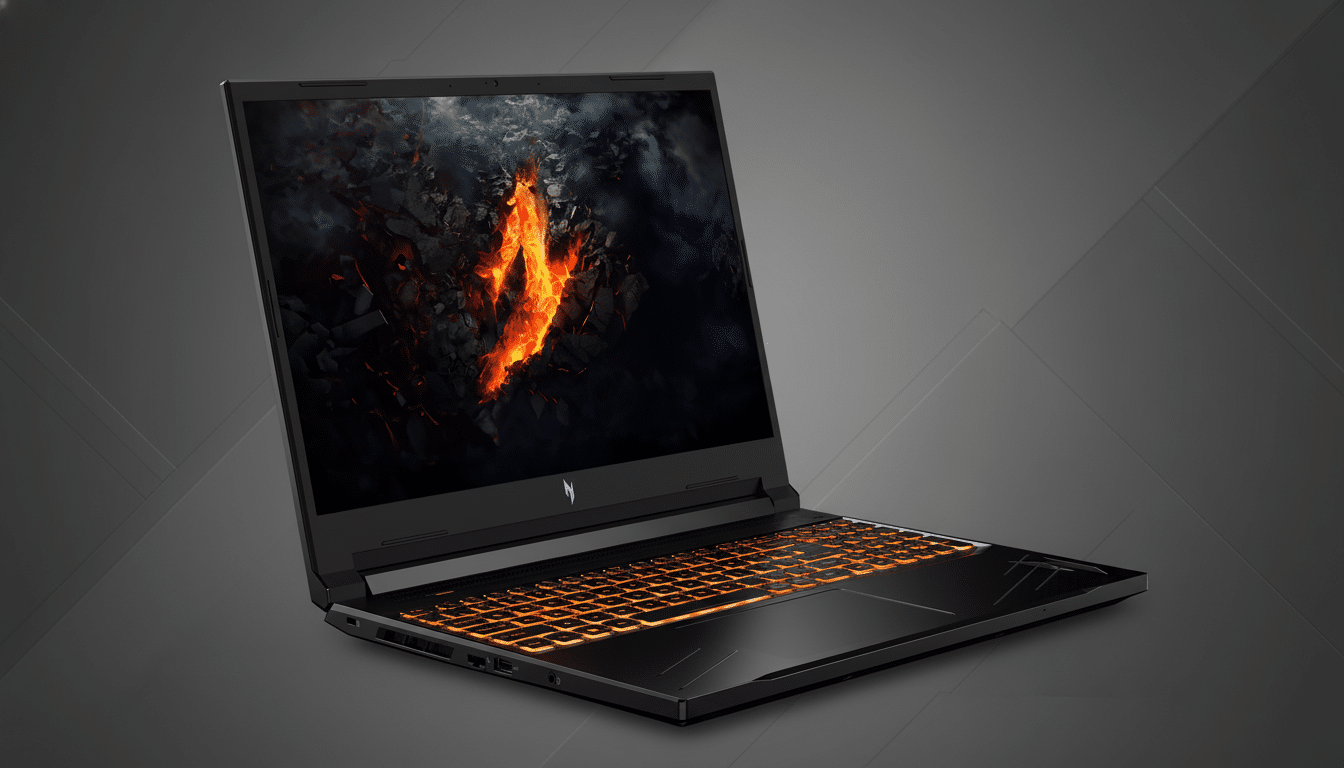
Budget shoppers should look for 15- and 16-inch systems with RTX 4050 and RTX 5050 GPUs.
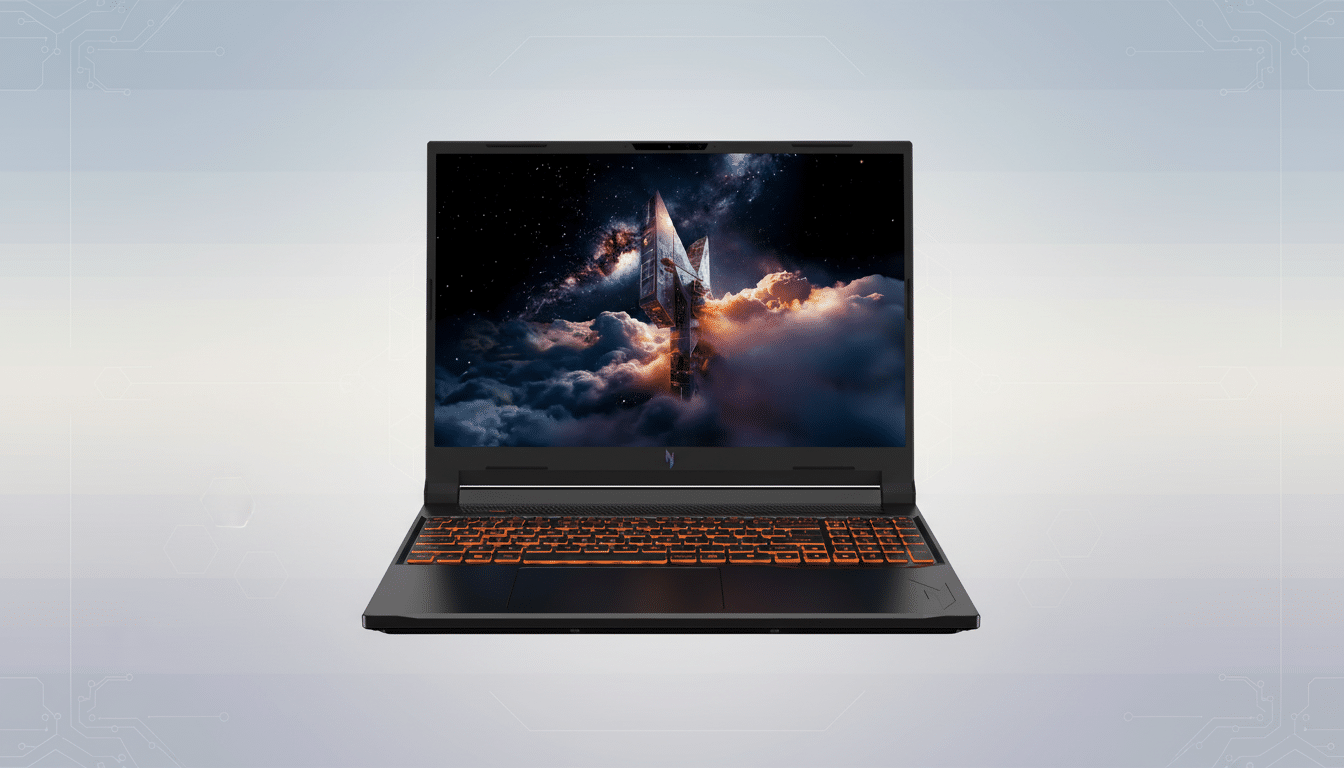
Machines like the HP Victus 15 and Acer Nitro V 16 AI bring together competent midrange graphics, contemporary mobile CPUs, and 16GB of RAM at competitive prices. With 1080p, or 1200p displays, they’ll happily play esports at triple-digit frame rates and contend with story-driven games on upscaled settings thanks to DLSS.
Progress to Lenovo’s Legion 5/5i or HP Omen 16 with RTX 4060 and RTX 5060 options if you want a sturdier body, improved thermals, and the addition of 1TB SSDs. These models hit a perfect sweet spot for 1440p panels plus ray tracing in supported games, especially when Nvidia’s frame generation and ray reconstruction features are enabled. For creators, CPU choices of either up to Intel Core i7 HX or AMD Ryzen 7 processors can be combined with NVIDIA Studio drivers for accelerated renders in apps from Adobe and Blackmagic Design.
Power users will be interested in the premium tier, which includes machines like ASUS ROG Strix G18 and MSI Stealth A16 AI+ with RTX 5070/5070 Ti, 32GB DDR5 and 1–2TB NVMe storage. These are desktop replacement systems for 1440p high-refresh or external 4K monitors. Again, in search of the best GPU-to-panel path, find a MUX switch or Advanced Optimus and keep an eye out for G-Sync or VRR support to smooth over frame pacing.
Graphics cards: where the best value and performance land
If you are upgrading a desktop, the value ladders are cut and dry. The RTX 3060 — consistently discounted, even decently outside of this context — is a popular 1080p workhorse; other data like Valve’s Steam Hardware Survey still has 60-class cards at the top of the adoption charts, in keeping with its strong price-to-performance appeal.
For a more robust long-term play, the RTX 5070 range is today’s sweet spot at 1440p—especially triple-fan cards from PNY and MSI that keep noise and thermals under control. They’re great at ray-traced performance (especially so with DLSS) and have much more comfortable VRAM combinations for building a modern high-res texture-pack-friendly rig.
Builders aiming for 4K might want to check the RTX 5080 and higher, which can hit ultra settings with ray tracing enabled in today’s top-end games while still delivering playable frame rates. Confirm that your case has sufficient clearance for the thicker coolers and reference power supply headroom as per card vendor’s recommendations; high-end boards can draw a lot of current under sustained loads.
One quick note before you hit “Add to cart”: Check connector requirements (16-pin 12VHPWR or dual 8-pin plugs) and what your airflow might be. A well-ventilated case can keep boost clocks high and help reduce coil whine under stress tests—like UL’s 3DMark Time Spy and Speed Way.
Prebuilt gaming PCs to consider during GeForce Week
The prebuilts in this sale range heavily, spanning from Ryzen 5/RTX 5060 combos that are great for playing at 1080p to enthusiast towers combining Core i7 or Ryzen 7 X3D chips with RTX 5070 and 5070 Ti cards. These machines eliminate the friction of part selection and assembly, but there is some room for future upgrades.
If you prefer halo performance, some configurations get you up to RTX 5090-class graphics. At that price point, pay attention to the power supply, CPU cooler (240mm or bigger AIOs are common), and motherboard VRM quality. You want headroom for sustained clocks, not just short benchmark bursts.
Another reality check: seek out dual M.2 slots, at least 32GB of DDR5 for heavy multitasking and Wi‑Fi 6E or better. Those are the sort of details that help a system stick around and keep you from dashing to upgrade.
What to buy for GeForce Week based on your setup
First, match the GPU to your monitor. For 1080p/144Hz esports, RTX 4050-4060 in laptops or RTX 3060-4060 for desktops are where they shine. For 1440p/165Hz, target RTX 4060/5060 laptops or RTX 4070–5070 desktops. If you want to target 4K or heavy ray tracing, use the same starting point of RTX 5080 levels of performance.
Mind memory: 16GB RAM is the absolute minimum for gaming laptops; 32GB is better if you plan on streaming and creating content. For GPUs, more VRAM is also good for future games with modern AAA textures. And don’t be stingy with the storage — 1TB fills quickly once a handful of 100GB games drop in to download.
Finally, check warranty coverage and return policies, as inventory on deals can shift fast. Nvidia’s regular Game Ready and Studio driver updates have increasingly unlocked gains in new releases and creative apps, meaning even midrange hardware can punch above its weight these days with the right software support.
All totaled, Walmart’s GeForce Week carves out substantial dollars from well-selected configurations. Get the right tier for your resolution today — and leave smart headroom for tomorrow — and you won’t overpay, while noticing that performance jump as soon as you power on.