


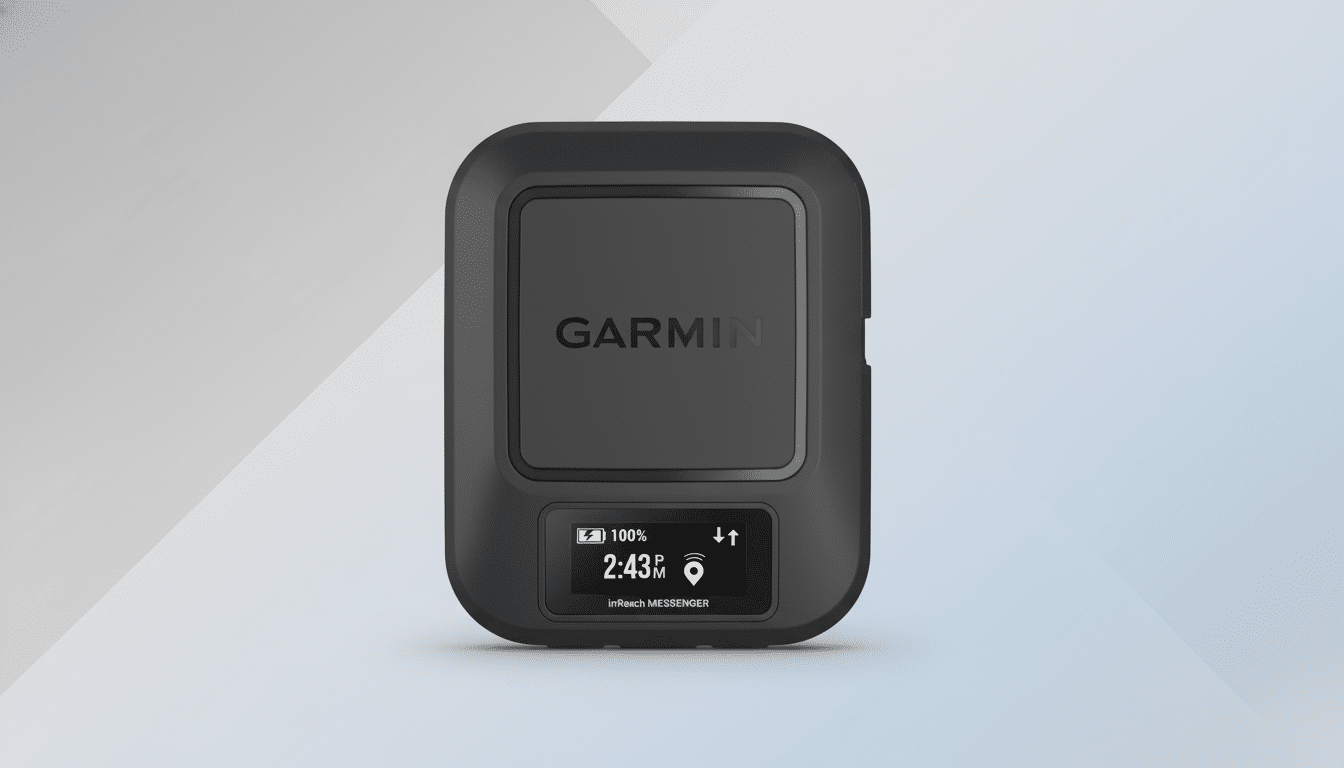
And the Garmin inReach Messenger, the locator beacon that uses satellite signaling to call for assistance, used by hikers and adventurous travelers, just got a massive price chop down to $165.50 from a list price of just under $299.99 for a whopping savings of about $134.49, or close to 45% off.
For those venturing into the backcountry this winter or considering shoulder-season treks, it’s a standout deal on a compact satellite communicator that will help keep you connected when phones go off-grid.
- Why this Garmin inReach Messenger deal stands out today
- What the Garmin inReach Messenger can and cannot do
- Subscription options and ongoing costs for this device
- Who it’s for and when to consider alternatives
- Reliability in the real world and real rescue scenarios
- Bottom line on the 45% Garmin inReach Messenger discount
Why this Garmin inReach Messenger deal stands out today
Satellite messengers are seldom discounted this far. The inReach Messenger is already one of the cheapest ways into legitimate two-way satellite messaging, and this deal shaves a substantial chunk off regular pricing. It lowers the price of global SOS and text capability to get-you-home levels, a tantalizing value if you hike, ski, overland, or paddle beyond cell towers.
Context counts: The National Park Service records thousands of search-and-rescue operations each year, the numbers frequently swelling in high season. A dependable satellite communicator not only cuts anxiety for worried family back home, but it can also materially improve response coordination if things go sideways.
What the Garmin inReach Messenger can and cannot do
Unlike a walkie-talkie or phone booster, the inReach Messenger hooks up directly to the Iridium satellite constellation, which consists of 66 cross-linked satellites that produce pole-to-pole coverage. For that, you get two-way texting nearly anywhere on Earth and interactive SOS through Garmin’s 24/7 emergency coordination center.
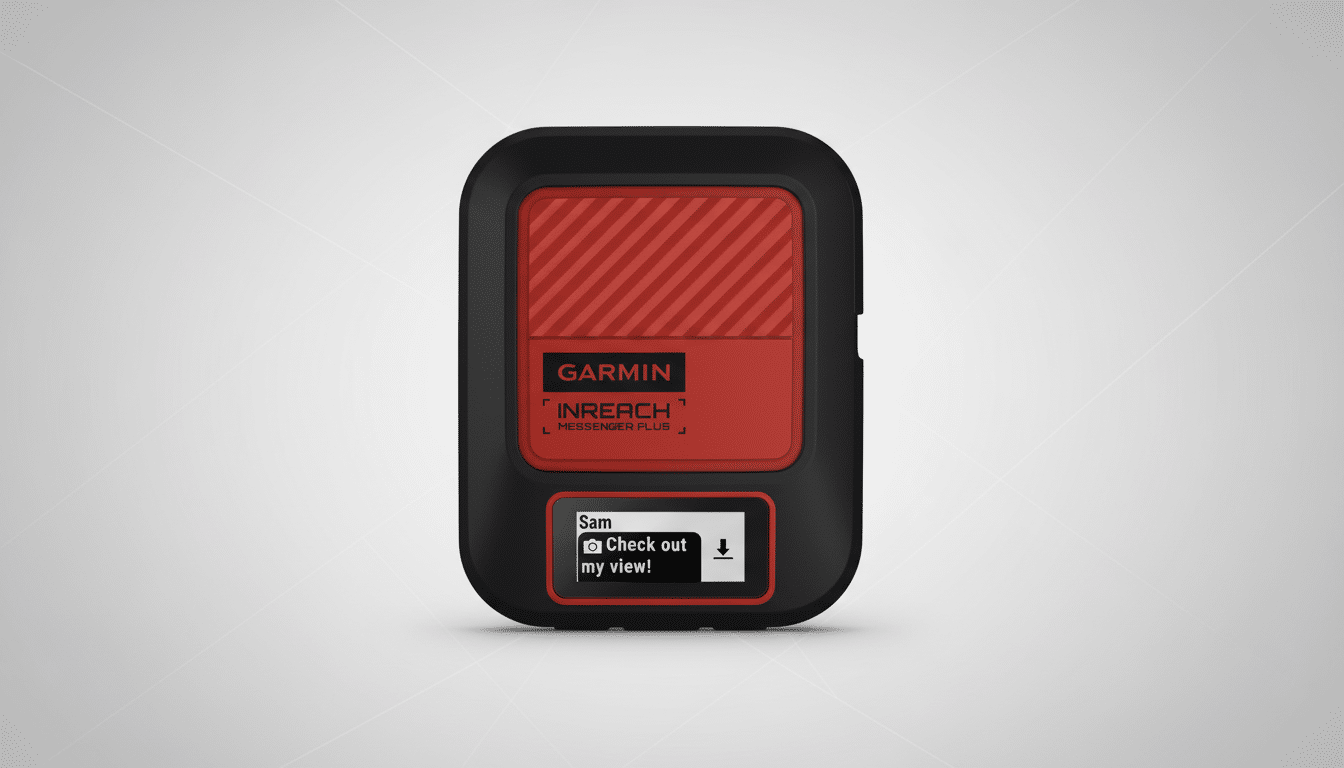
Pair it with the Garmin Messenger app and you can send one-to-one or group messages that automatically go out over Wi‑Fi, cellular, or satellite (whatever is available). And should your phone die or lose signal, the device can send predetermined check-ins and SOS all by its little self with a small status-oriented display and on-device buttons.
The hardware is designed for rough treatment: it’s roughly four ounces, slides unobtrusively into a running vest or hip belt, and has an IPX7 water rating. Battery life pushes into the days — and in low-traffic, check-in-every-once-in-a-while situations, even weeks — depending on how often you’re transmitting and how good your view of the sky is.
Subscription options and ongoing costs for this device
Like all inReach products, satellite subscription service on the inReach Messenger is a paid subscription. Garmin provides annual contracts and flexible month-to-month “Freedom” plans with graduated messages that can be sent, location-tracking features, or weather access. By selecting a lower-cost plan for occasional trips and pausing it during the offseason, many members are able to keep lifetime ownership costs under control.
Who it’s for and when to consider alternatives
The inReach Messenger is a good pick for hikers, trail runners, backcountry skiers, bikepackers, overlanders, hunters, and sailors — really anyone who mainly wants reliable two-way messaging and SOS without extra weight or bulk. It is great as a safety line and check-in device, but not a navigational computer.
If you need breadcrumb navigation, dedicated on-device routing, or more robust tracking visuals, the inReach Mini 2 and other inReach handhelds are worth consideration. Those are pricier but include on-board navigational features the Messenger avoids in order to keep things small and cheap.
Reliability in the real world and real rescue scenarios
Garmin’s emergency coordination center has logged thousands of SOS activations from the field generated by inReach devices around the world, covering everything from altitude sickness to mechanical failures in bone-bleaching deserts. The ability to communicate back and forth on an incident — sharing symptoms, GPS coordinates, conditions — can accelerate the proper response while discouraging unnecessary deployments.
The bidirectional capability is the significant advantage over one-way beacons: rescuers can confirm your status, recommend a self-rescue if feasible, or escalate with exact details. For solo travel, or trips with novice adventurers, that nuance buys peace of mind well beyond the sticker price.
Bottom line on the 45% Garmin inReach Messenger discount
For $165.50, the Garmin inReach Messenger brings with it two-way satellite communications including interactive SOS and a rugged, pocketable form factor for the best deal we’ve seen on this model yet. If you’ve got an off-the-grid adventure in the works, this 45% discount and savings of $134.49 make it a wise purchase before your next voyage — paying for itself the first time your signal is gone and you still need to get a message out there.