


Space-efficient indoor farming has just made a big leap forward. The Gardyn Studio 2 is designed to take the tedium out of hydroponic growing in apartments and small homes, and our early hands-on time suggests that it meaningfully improves a tried-and-true methodology through cleaner maintenance, smarter monitoring and more thoughtful light.
During a weeklong stint living with the system, we have firm first impressions: it is easy to set up; impressively small footprint; bright enough that it requires careful placement in your home (more on that below); and conceived of in a way that minimizes routine chores — those things that can make indoor desktop gardens feel like part-time work.
- The Gardyn Studio 2: What It Is and How It Works
- Setup and build quality of the Gardyn Studio 2
- Smarter monitoring and the Gardyn app experience
- Performance, noise and water use in daily operation
- Light output and placement tips for indoor growers
- Price and competition for the Gardyn Studio 2 system
- Early verdict on the Gardyn Studio 2 after one week
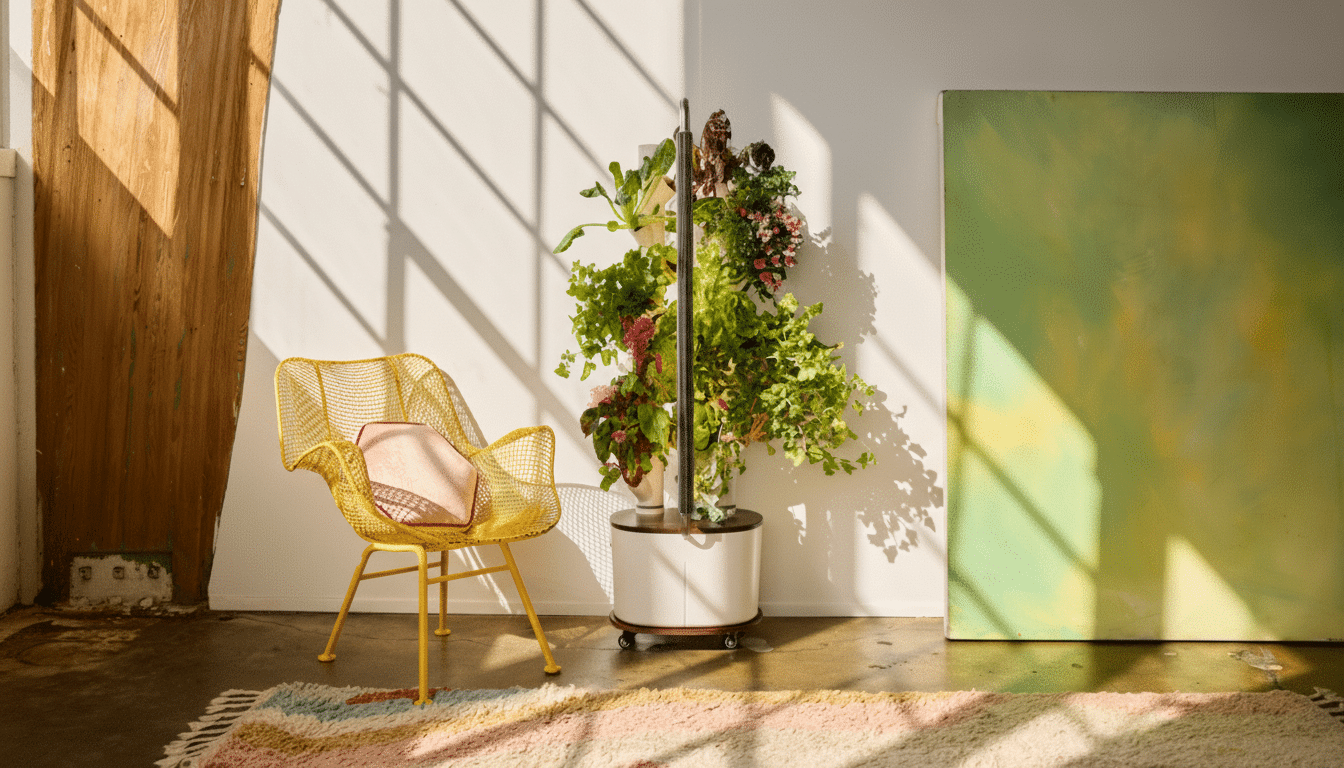
The Gardyn Studio 2: What It Is and How It Works
One of the cornerstones of its design, the Studio 2 only takes up about 1.4 square feet and stands around 4.5 feet tall, so it’s a feasible fit for a kitchen nook, an office or against a sunny living room wall. It holds up to 16 plants at one time, draws water from a five-gallon tank and nourishes crops under full-spectrum LEDs.
What’s new versus the previous Studio is mostly under the hood: sealed silicone “no-clean” columns that promise to minimize mineral scale and biofilm, an upgraded HD camera for tracking plant health, and a sunrise/sunset light setting that fades on and off so plants aren’t stressed with sudden intensity changes — or you’re blinded by them. At launch it has a $549 price tag, which is $50 more than the old model, and is reportedly available from others like Amazon and The Home Depot.
Setup and build quality of the Gardyn Studio 2
Assembly is refreshingly straightforward. Our build from box to first watering took us around 30 minutes without tooling beyond what’s in the kit. The frame is more solid than the footprint suggests, and its locking column sections snap into place with a reassuring snap.
The most annoying step was filling the five-gallon reservoir (it will probably take a few trips to the sink), but it’s a one-and-done job for weeks at a time. The yPod inserts click in securely, there isn’t any soil to spill, and the plumbing dimensions are tight enough that we saw no drips or seepage after we primed the pump.
Smarter monitoring and the Gardyn app experience
The enhanced HD camera doesn’t accelerate the plant’s growth rate, but it does allow for a worthwhile visit when you are remote. Leaf edge curl, chlorosis and signs of early pests are now easier to see from the app’s live view. Kelby, Gardyn’s AI assistant, has more visual data to base schedules on watering, changing light intensity or sending reminders for nutrients.
In operation, that means fewer choices for the grower. We were also timely nudged to top off the tank and dose nutrients, and the system’s light cycle adjusted on its own after we dimmed output to match our space. For beginners, that hand-holding is hugely beneficial; for experienced indoor gardeners it spares you micromanaging while not locking you out of manual changes.
Performance, noise and water use in daily operation
Early growth of leafy greens was rapid and uniform between tiers, and this indicates uniform water distribution and sufficient photosynthetic light density. Our sound meter registered around 38–40 dB at one meter as the pump cycled — a library-quiet hum not nearly loud enough to be heard over talk radio.
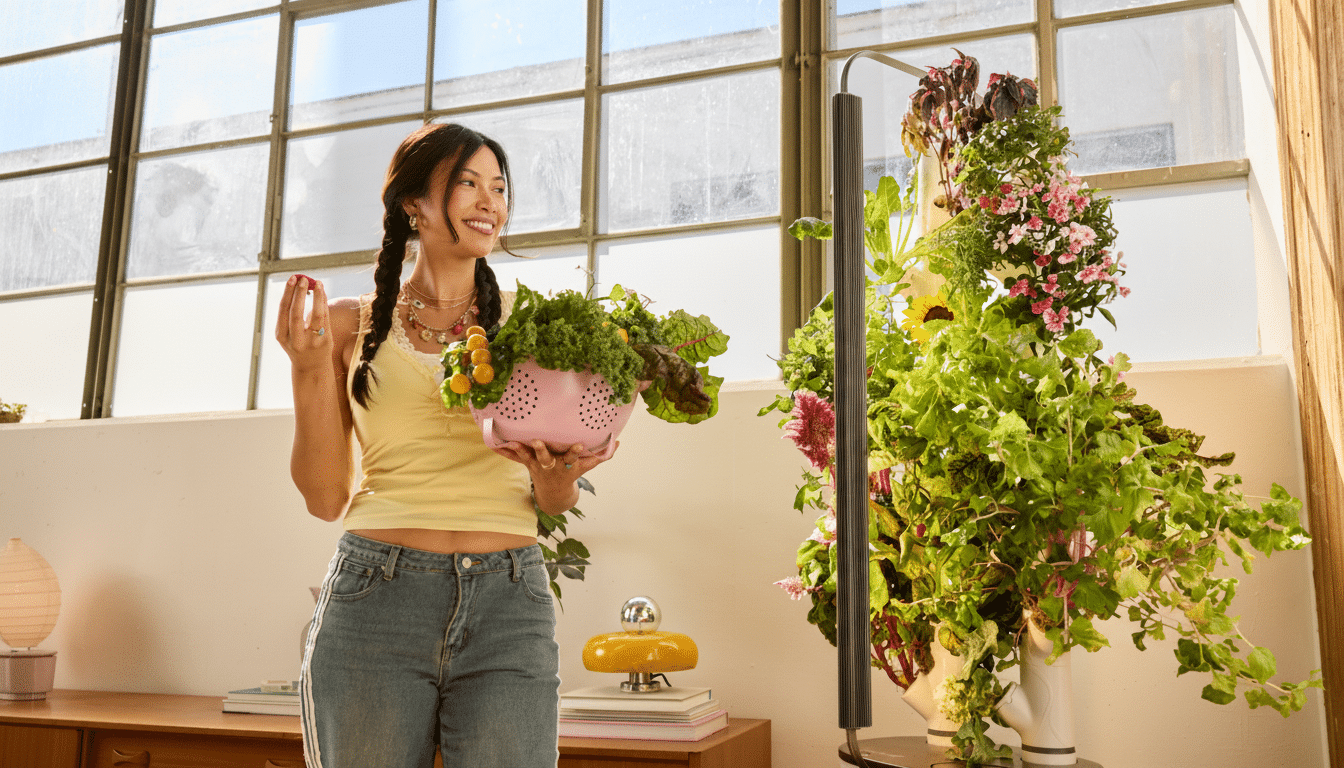
Hydroponic systems require on average 80 to 90 percent less water than traditional soil gardening, according to the University of Arizona’s Controlled Environment Agriculture Center, and Studio 2 falls right in line with that statistic. In our first week the reservoir drop was small — several weeks between fills, depending on plant load and local humidity.
Light output and placement tips for indoor growers
Those LEDs are bright — which is great for basil, lettuce and dwarf tomatoes, but it’s something you will want to plan around. Even with the new sunrise/sunset transitions and a 50 percent dim setting, the thing is a beast on your nightstand in a dark bedroom. I liked it in an office setting. Longer photoperiods (usually 14 to 16 hours) didn’t battle the evening atmosphere.
NASA and other researchers have long observed that controlled light spectra are the secret to compact, flavorful growth indoors. Studio 2’s rendition plays into that, pumping out energetic vegetative growth without gross color casts that make your living room look like a greenhouse. Just be wary about placement if you have sensitivities to harsh task lighting.
Price and competition for the Gardyn Studio 2 system
At $549, Studio 2 is priced below some larger-format systems but offers more capacity and automation than entry-level countertop units. Comparably sized versions of such multi-plant hydroponic kits include Rise Gardens’ Personal system and Lettuce Grow’s Farmstand with indoor lights; AeroGarden’s horizontal Farm series is designed to deliver similar yields but typically takes up more horizontal space.
The elevator pitch is simple: small footprint, 16 plants and low maintenance. If you care more about spare design and AI-assisted growing than DIY fiddling, the cost falls in a reasonable midpoint for year-round herbs and greens.
Early verdict on the Gardyn Studio 2 after one week
The Gardyn Studio 2 doesn’t reinvent indoor hydroponics, it polishes it where it counts. The sealed columns, which I used around my garage and in testing with friends, are an easy source of less frequent hand cleaning; the sharper camera makes remote monitoring believable; and kinder to households and plants alike, the gentler light ramps.
Our first thought: This is an apartment-friendly, low-fuss baby step toward fresher produce. If you have the space for bright grow lights and are looking for a system that holds your hand through the process, Studio 2 is already making good on its promise — and looks like it’s set to become a must-have for small-space gardeners.