


Samsung’s ambitious three-panel foldable briefly appeared on the company’s US storefront without any trade-in option, signaling that early buyers should be ready to pay the full $2,899 sticker price before tax. For a brand that typically leans hard on trade-in credits to soften ultra-premium pricing, the omission stands out.
The early listing, spotted by 9to5Google before it disappeared, showed pricing, bundles, and add-ons, but the familiar trade-in selector was missing. With the device slated to go on sale imminently, there’s little indication that a first-party trade-in will be active at checkout when orders open.
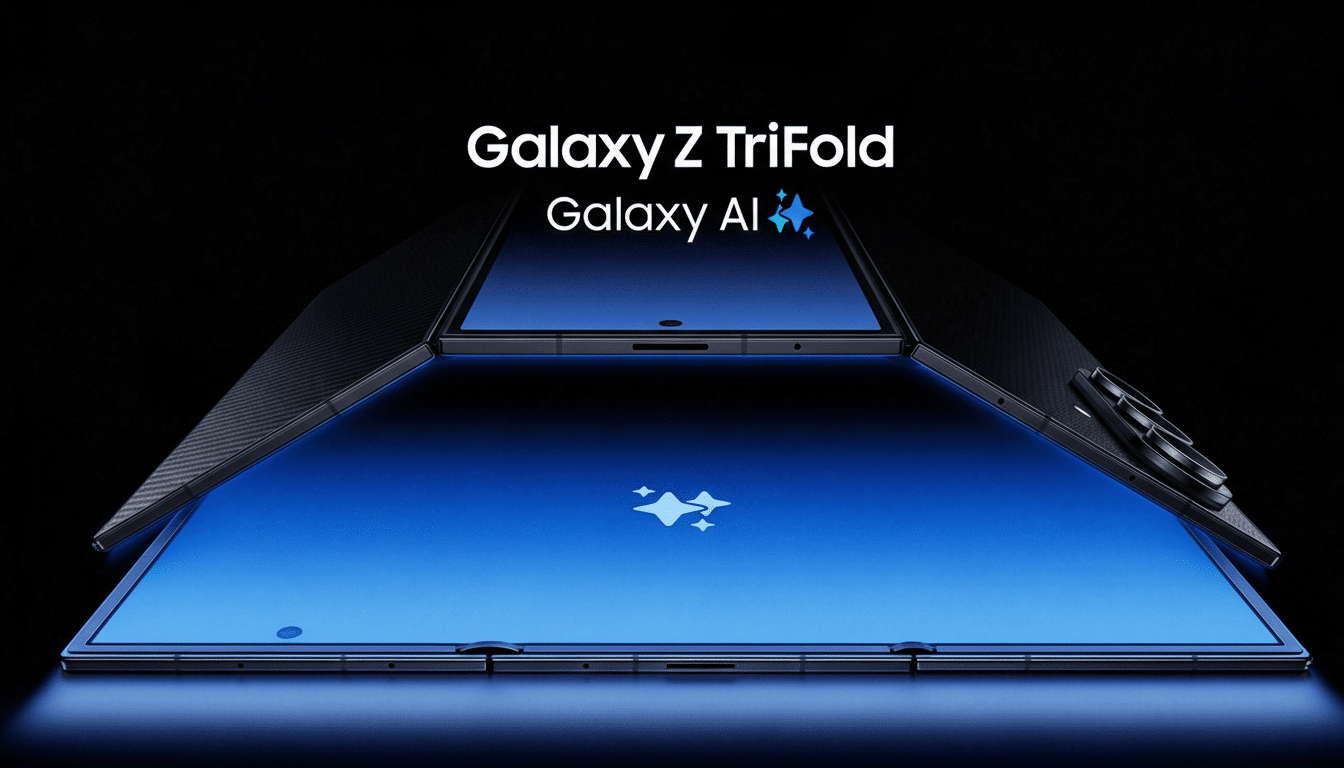
Samsung has already confirmed the US launch and highlighted the device in select Experience Stores, underscoring that this is a halo product meant to showcase cutting-edge hardware. The lack of trade-in support at launch suggests the company is comfortable letting the price speak for itself.
A Premium Device Without the Usual Credit
Historically, Samsung has used aggressive trade-in values to drive adoption of its priciest phones, including its Z Fold line and Galaxy S Ultra models. Credits up to four figures have not been unusual when swapping in recent flagships, especially during launch windows and with carrier partnerships layered on top.
This time, buyers browsing the TriFold’s listing saw no such lever. A Reddit post earlier in the week captured site language referencing trade-ins, but the live page did not present the option. That discrepancy points to either a last-minute policy shift or a phased rollout that prioritizes full-price sales first.
Why Trade-Ins Matter For Ultra-Premium Phones
Trade-ins have become a core mechanism for keeping upgrade cycles moving while smartphone prices climb. Carriers and manufacturers commonly pair device credits with extended financing, spreading payments over 24 to 36 months to temper sticker shock for $1,000-plus devices.
Industry research backs up the importance of these programs. Counterpoint Research has reported continued growth in the refurbished smartphone market, with trade-in pipelines supplying much of the inventory that feeds circular-economy initiatives and keeps customer retention high. Assurant’s industry analyses have similarly highlighted rising consumer reliance on trade-ins to close the affordability gap on top-tier handsets.
Given that context, removing the trade-in lever from a $2,899 device changes the calculus for many would-be buyers. It could also narrow demand to a core audience that values the TriFold form factor enough to pay full freight.
Who Samsung Is Targeting With the TriFold Launch
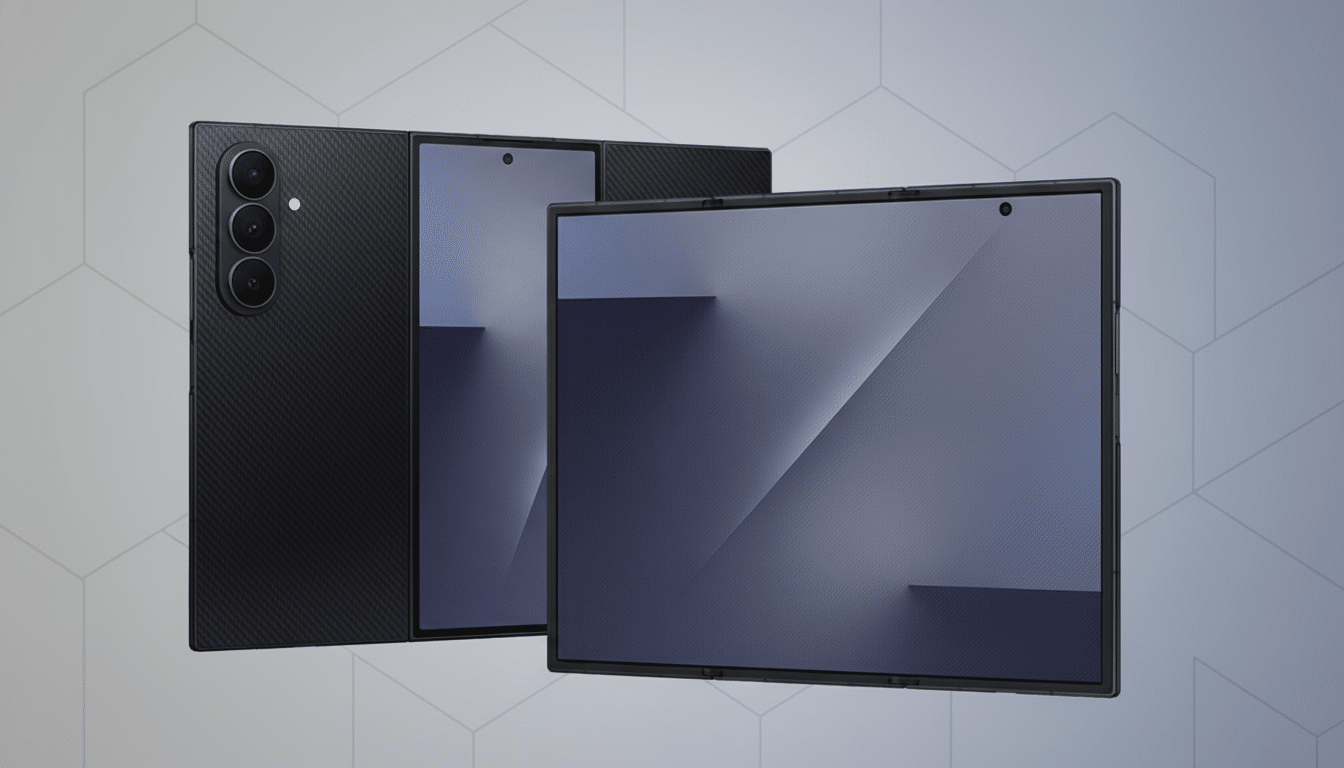
At this price, the TriFold is clearly aimed at early adopters, business users, and creators who prioritize multi-screen productivity and engineering novelty. If volumes are limited, forgoing trade-in credits can help Samsung preserve margins and simplify logistics during the first wave of orders.
There’s also a practical hurdle: assigning fair values to older devices against a brand-new category. Automated trade-in systems are built around known families of phones with predictable depreciation. A tri-panel foldable sets a new benchmark, and that may complicate pricing and risk models for first-party trade-in programs at launch.
What Buyers Can Expect at Checkout on Launch Day
The brief listing aligned with previously announced details: $2,899 for the 512GB configuration, plus the usual array of bundles and protection plan add-ons. Delivery windows suggested prompt shipping after sales open, hinting at controlled inventory but not a lengthy pre-order lag.
If you were counting on trade-in relief, consider alternatives. Carriers may still offer financing and bill credits independent of the manufacturer’s site, and third-party trade-in services or private resale can offset some of the outlay. However, none of these routes is likely to match the instant, hefty credits Samsung has previously dangled for mainstream flagships.
Bottom Line for Early Adopters of Samsung’s TriFold
All signs point to the Galaxy Z TriFold launching without first-party trade-in support in the US. That means the early adopter tax is very real this time, and buyers interested in the most radical foldable yet should be ready to pay upfront.
Could trade-ins arrive later? It’s possible, but there’s no confirmation. For anyone price-sensitive, it may be worth monitoring carrier offers or waiting to see if Samsung introduces promotions after initial demand levels off. For everyone else, the message is clear: the TriFold is a showcase device, and Samsung is treating it like one.