


Samsung is said to be considering an Exynos-only approach for the Galaxy Z Flip 8 and that the in-house Exynos 2600 is currently leading the running. The Bell, which cites leakers in the industry, reports that barring last-minute panic issues late in the process Samsung’s next clamshell device will exclusively use its silicon for a second year running – a claim similar to those we’re hearing from other quarters.
It’s not a final decision, though the momentum dovetails with Samsung’s increasing credibility in its own ability to stick to that roadmap. The company has just announced the Exynos 2600 as its inaugural 2nm smartphone chip, built on a Gate-All-Around process that Samsung is calling a lead feature for future flagships.
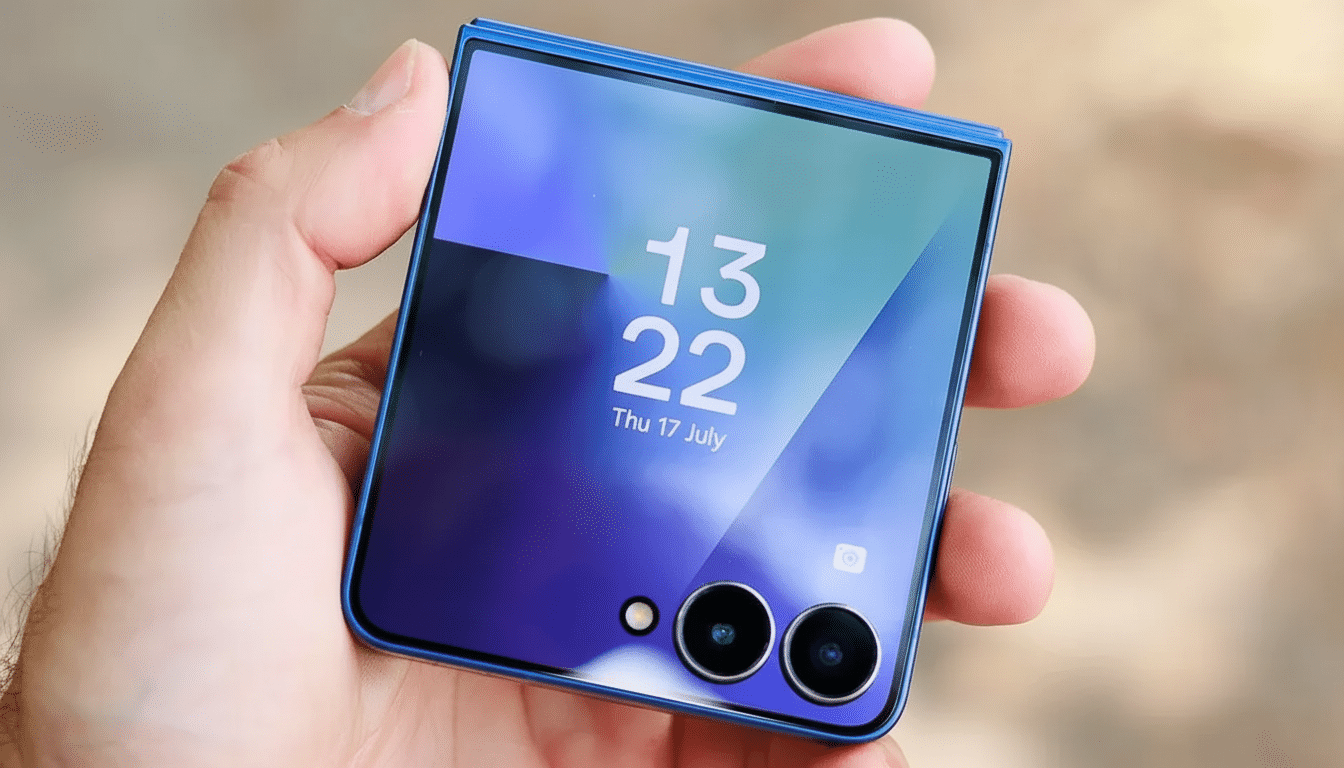
What does the Exynos 2600 promise for performance
Samsung’s 2nm Exynos 2600 has a 10-core CPU on Arm’s v9.3 architecture, consisting of a prime C1-Ultra core at 3.8GHz, three C1-Pro performance cores running at 3.25GHz, and six efficiency cores clocked up to 2.75GHz. Samsung is boasting up to 39% improvement in CPU over the Exynos 2500, so a nice upgrade on paper.
Graphics are covered by the Xclipse 960 GPU, a member of Samsung’s AMD RDNA-based heritage that has focused on ray-tracing capabilities and increased shader throughput in its most recent generations. On-device AI is also a big theme: Samsung boasts an uplift of 113 per cent in the NPU, which might mean quicker image segmentation and voice features or generative edits without as much reliance on the cloud.
This is more than a marketing move to the 2nm GAA node. So, if you are wondering why the GAA: it can shave off a bit of leakage and increase power efficiency, something we do want in a tight clamshell thermal envelope. If real-world performance follows suit, as the claims suggest, users could also see stable sustained performance and improved battery life for camera, gaming and AI-heavy tasks.
Why Samsung may prefer its own silicon in Flip 8
Cost and control are the obvious incentives. As memory prices have increased in recent quarters—measured by companies such as TrendForce—an internally developed SoC can also help alleviate BOM pressure while inching integration deeper into the modem, AI pipeline and camera ISP.
There’s also a strategy angle. Samsung has slowly regained the trust in Exynos it lost during a turbulent period earlier this decade. Its split-silicon approach on recent Galaxy S models demonstrated that the company can fine-tune characteristics by region, while also relying upon manufacturing progress from its own foundry.
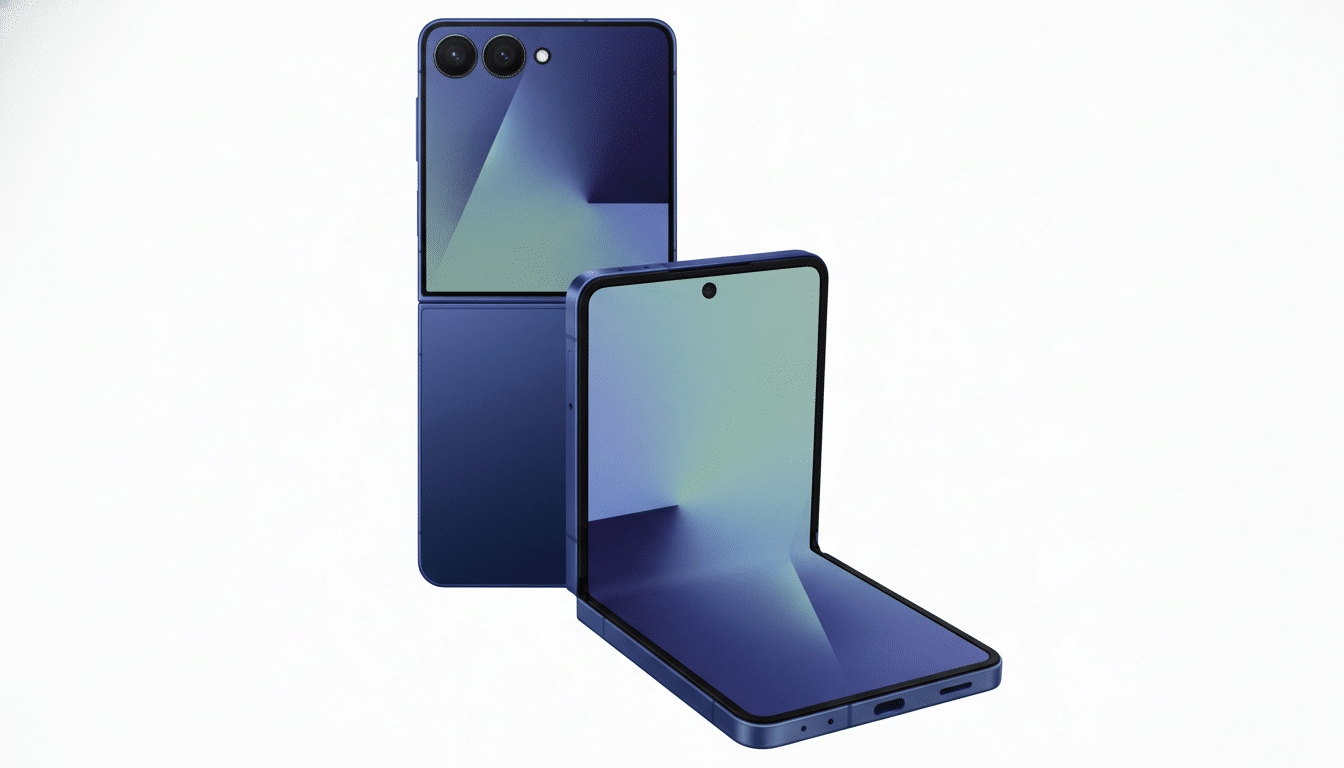
From a foldable perspective, thermal design and cycle optimization can be simplified by vertical integration. A unified platform equals one driver set, one modem configuration, and less chance of issues coming up in perf tuning between the SKUs for regions.
Snapdragon still on the cards as an alternative option
Rumors went around in the past about Samsung working on a custom Snapdragon 8 Elite Gen 5 chip for the Flip 8. Qualcomm has also shown sustained wins in GPU performance, connectivity and developer tooling, so it’s a good choice if Samsung needs a safety valve or wants to segment SKUs by region.
But a one-chip strategy would simplify logistics and marketing, and there’s no question that the Exynos 2600’s raw specs give Samsung a plausible way to strike out on its own. The last call may come down to 2nm yield, thermals in Flip’s chassis, and if the GPU and NPU scale with production firmware.
What it means for buyers considering the Flip 8
If the Flip 8 ships with the Exynos 2600, you can anticipate a more robust machine-learning feature set, faster photo and video pipelines, and maybe even longer-lasting battery life — particularly under combined camera- and social media-style workloads. A cooler-running, more efficient SoC would also help maintain performance in a small clamshell.
The market context matters, too. The foldables market remains on a growth trajectory from a small base — carriers like Counterpoint Research have reported regular double-digit shipment expansion — so component decisions that lend added durability and day-to-day responsiveness will often be more likely to steer upgraders than spec sheet theatrics.
Bottom line: indications are that it would be an Exynos-only Flip 8, though we’re not dead set on it. Keep an eye out for more clues in supply chain reports and certification listings as Samsung locks down its foldable playbook.