


I purchased Apple’s Vision Pro at list price and justified the $3,500 expense for a year. Then Samsung announced the Galaxy XR, and just like that, my early-adopter smugness began to feel like a pricier lesson. The new headset trumps Vision Pro on price and addresses many of the pain points that made Apple’s first-gen device a thing of beauty, but also a compromise.
App ecosystems will decide the winners in XR headsets
The greatest surprise has nothing to do with optics or processing power; it’s a software strategy. Apple also permitted iPhone and iPad apps to run in visionOS, but only if developers did not choose to opt out. Many did. This is why crucial names such as Netflix, YouTube and Spotify remain missing, diminishing Vision Pro’s everyday value. Apple’s choice reduced headset users’ potential compatible app count from nearly two million (the size of the wider iOS App Store) to only around 1.5 million, something users realize right away.
- App ecosystems will decide the winners in XR headsets
- Demos don’t matter as much as content deals
- Comfort is a feature, not an accessory, for headset use
- Displays and field of view lead the way on XR quality
- Performance and price deliver a sobering reality check
- The bottom line for early adopters weighing XR choices
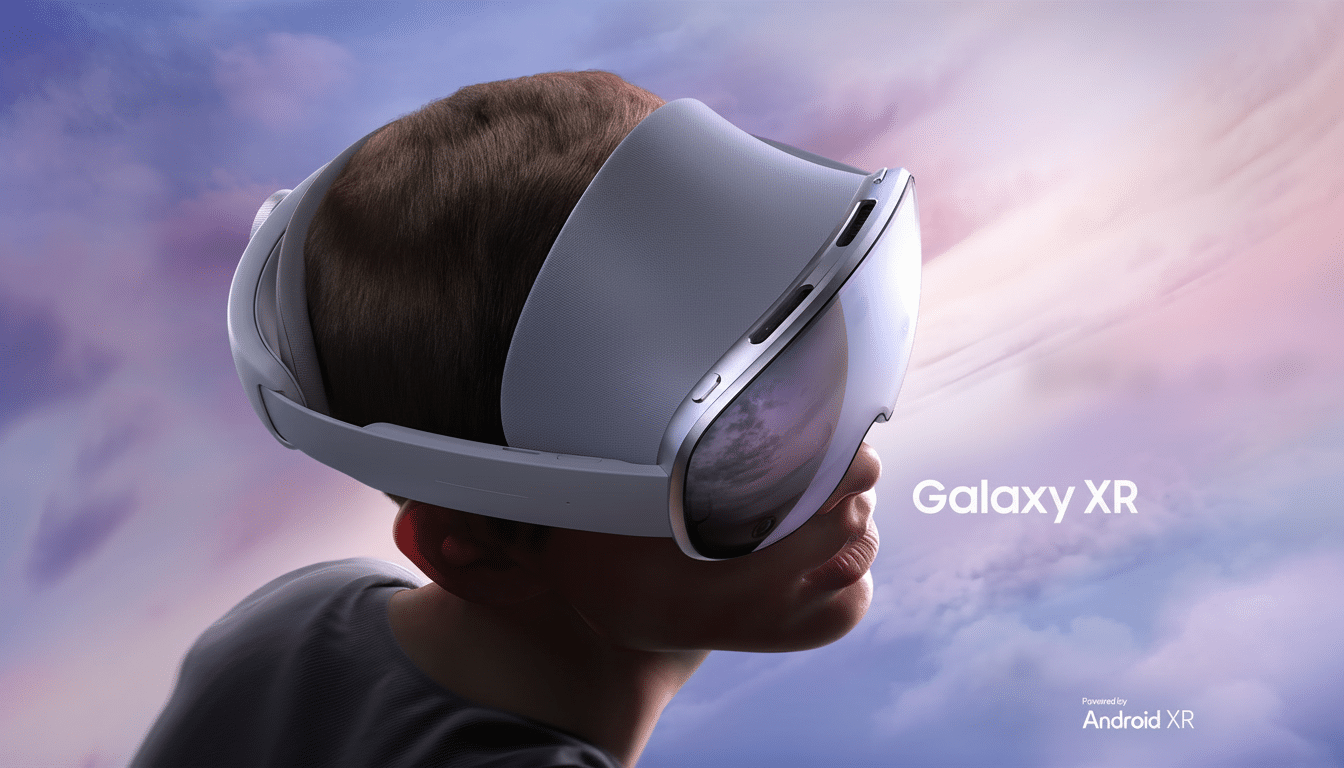
Google and Samsung went the other way with Android XR. Instead of relying on developers to enable them, Android apps run in floating, resizable windows with both eye and hand input. Android XR intentionally looks away from some of the size-restricting APIs so that most of the 3.5 million-plus apps in the Google Play Store can run on it, barring those that require certain hardware such as GPS or LiDAR. Translation: unlike the Vision Pro, this headset is more likely to run the apps you already live in, no waiting around for bespoke ports.
Demos don’t matter as much as content deals
Apple’s in-store demo is dazzling, but actual content access is where headsets float or sink. Vision Pro’s top theater-style experience is restricted to Apple’s own app, a slight prod for users to rent or buy through Apple’s box office. That is, if you like Paramount+, using it across platforms can be a juggle of subscriptions without having the cinematic environment Apple likes to offer.
Samsung and Google played hardball with launch partners: trials for YouTube TV and YouTube Premium, NBA League Pass and Google Play Pass, along with bundled games like Asteroids and NFL Pro Era. The promos are temporary, but the message is permanent. This is not a walled garden waiting for buy-in; this is a partner-first ecosystem designed to meet people where their content already lives.
Comfort is a feature, not an accessory, for headset use
Hardware ergonomics determine if you can actually work or watch for hours. The closed light seal is great for immersion but adds pressure, decreases peripheral awareness and requires a certain facial fit. Many owners, myself included, turned to aftermarket straps and even 3D-printed parts in order to improve balance and comfort — not something you should feel inclined to do after dropping all those thousands of dollars.
The hybrid facial interface on Galaxy XR, with a forehead-rest type and removable light blockers, is halfway there. Open it for productivity and situational awareness; close it down for watching cinema and gaming. That’s the flexibility that the category was looking for. Instead of cobbling comfort together, it’s built in out of the box.
Displays and field of view lead the way on XR quality
Specs aren’t everything, but they help explain why Samsung’s visuals feel like a step forward: 3,552 x 3,840-per-eye panels and 29 million total pixels, coupled with a claimed 96% DCI-P3 coverage and a 109-degree field of view in company materials. Apple’s actual FoV is unknown; however, independent testers estimate Vision Pro somewhere around the 100-degree mark. Those additional degrees matter on a headset, adding to peripheral presence and helping mitigate the “goggles” effect.
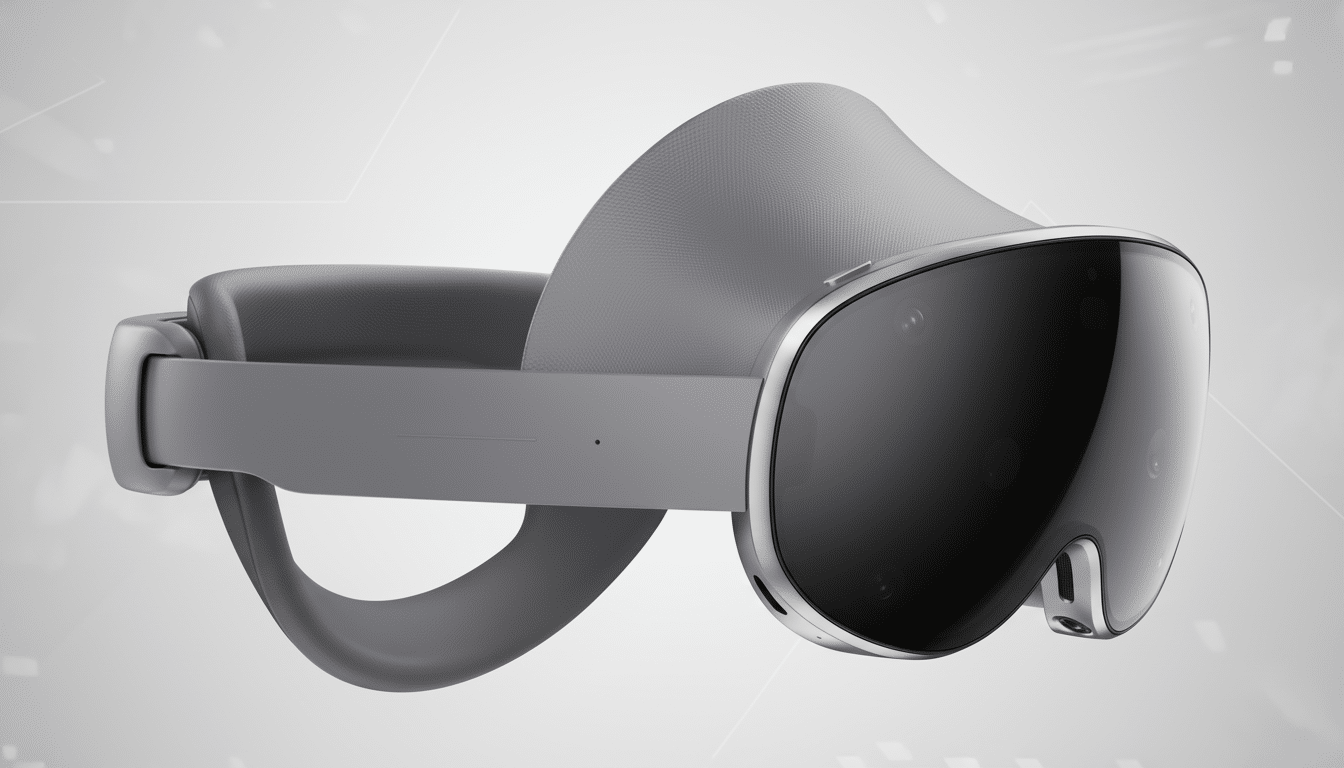
Vision Pro’s micro‑OLED panels are beautiful in isolation, but when you’re emulating a gigantic virtual monitor, pixel density and FoV will eventually make themselves known.
Higher total pixels, wider FoV and claimed color accuracy suggest fewer productivity and media compromises for the XR. This is the first time I’ve experienced a consumer XR display package that definitely tops Apple’s where it counts.
Performance and price deliver a sobering reality check
On raw compute, Apple silicon is ferocious. But the bottleneck for most XR experiences is optics, tracking and software — not CPU headroom. In real-world use, I hardly encountered situations in which Vision Pro’s extra horsepower stretched beyond the bounds of available apps or convenience.
Then there’s price. At about half the cost of a Vision Pro, Galaxy XR has been strategically priced to make XR more mass market than aspirational. When a less expensive headset offers wider app compatibility, smarter ergonomics and a larger FoV, the value proposition turns decisively. With this device, I can’t help but wonder something that has never crossed my mind about a premium XR headset: maybe you don’t want to pay the “version 1.0 tax.”
The bottom line for early adopters weighing XR choices
Apple gets credit for putting mixed reality on the map, but Samsung and Google followed that playbook to refine rather than rush. The upshot is a headset more accurately aligned with how people actually use XR: work apps windowed, conventional streaming content, lengthy sessions without pressure points and display specs that translate into real clarity.
If I could do it over, I’d hold out for Galaxy XR. Not because Vision Pro is bad — it’s wonderful at times — but because Samsung designed around the everyday frictions that sink or swim a device you wear on your head. That’s the difference between an eye-popping demo and a daily driver.